Heavy rain is no longer a rare inconvenience. The WMO State of the Global Climate 2024 report confirmed record-breaking climate indicators and more frequent hydrological extremes. The IPCC also reports that heavy precipitation events are intensifying in many regions. A jacket that survived yesterday’s shower may fail during tomorrow’s exposed commute.
This guide explains how to choose the right waterproof rating for heavy rain without trusting marketing language alone. Waterproof ratings often describe different tests. The IP Code, defined by IEC 60529, measures protection against water entering electrical enclosures. Outdoor clothing usually relies on hydrostatic-head testing, including ISO 811 or ASTM D751 methods. Higher pressure resistance generally means better protection, but laboratory results cannot fully predict wind, movement, seams, or repeated washing.
Look beyond the number. A 20,000 mm fabric may resist a strong downpour, yet an unsealed zipper can leak within minutes. Check taped seams, storm flaps, hood adjustment, breathability, and garment condition. For backpacks, inspect fabric coating and zipper construction. For tents, examine the floor and flysheet separately.
Ratings are not magic.
Real weather is messy. Wind pushes rain sideways, while kneeling creates concentrated pressure on fabric. Testing from ASTM and ISO provides useful comparison, but product claims still deserve careful reading. I would not choose a coat from waterproof rating alone. Consider rainfall intensity, exposure time, daily activity, maintenance, and local climate data. This practical approach makes technical ratings more meaningful and helps buyers avoid paying for impressive numbers that do not match real conditions.
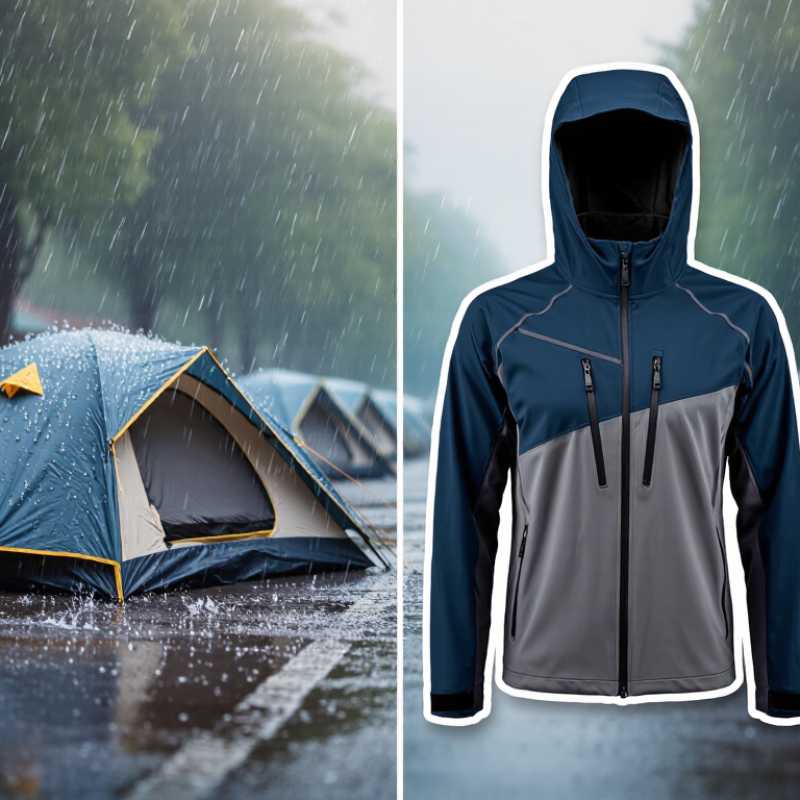
For 2026, waterproof labels deserve closer reading. “Waterproof” is not one universal performance level. The IP Code, defined by IEC 60529, measures protection against solids and water under controlled laboratory conditions. The second character matters most here. IPX4 resists splashing, while IPX5 handles water jets. IPX6 withstands powerful jets, and IPX7 covers temporary immersion up to one metre. IPX8 indicates deeper or longer immersion under manufacturer-specified conditions. An IPX7 rating does not automatically prove resistance to heavy rain during movement.
Rain also differs from laboratory spray. Wind can drive water through seams, zippers, vents, and cable openings. In practice, I check the full enclosure, not only its rating label. A high-pressure jet test can miss hours of dripping exposure. That is an uncomfortable limitation.
For protective clothing, EN 343 evaluates resistance to water penetration and water vapour resistance. ISO 811 uses hydrostatic pressure to measure fabric resistance, commonly reported in kilopascals. Higher pressure generally suggests stronger resistance, but construction still matters. A taped seam may outperform untreated fabric with a higher headline number. The World Meteorological Organization’s State of the Global Climate 2024 report recorded widespread extreme weather and intense rainfall events, reinforcing the need to assess real exposure, not marketing language. For sustained heavy rain, choose tested seam protection, a covered closure system, and a rating supported by IEC, ISO, or EN documentation. Personal field conditions remain messier than any test chamber.
Heavy rain is not one condition. Rain is rarely gentle. The WMO State of the Global Climate 2024 report confirms that climate-related extreme weather risks are intensifying worldwide. Choosing waterproof protection now requires matching ratings to exposure, movement, and duration.
For clothing, check the hydrostatic-head rating tested under ISO 811. A 5,000 mm rating may suit short urban showers. Around 10,000 mm offers stronger protection for commuting and moderate downpours. For hiking through hours of rain, 20,000 mm or higher is more practical.
Still, the number is not everything. A 20,000 mm fabric can fail at weak seams, worn coatings, or an open collar. I have seen water enter through zippers before the fabric became saturated.
For equipment, IEC 60529 IP ratings measure water resistance differently. IPX4 handles splashing, while IPX5 and IPX6 resist water jets. IPX7 covers temporary immersion, commonly up to one metre for 30 minutes. It does not automatically guarantee protection during wind-driven rain. That distinction is easy to miss.
Tips: Match IPX4 with light daily rain. Choose IPX5 or IPX6 for exposed equipment and heavy spray. For clothing, inspect seam sealing and hood adjustment, not only the headline rating. NOAA precipitation data can help compare local storm intensity. Test your setup outdoors before trusting it. My own mistake was relying on a high fabric rating while ignoring backpack pressure points.
2026 Top Waterproof Ratings for Heavy Rain: How to Choose?
A waterproof rating is useful, but it is not the whole story. ISO 811 measures hydrostatic pressure, showing how much water fabric can resist before leakage begins. EN 343 classifies protective clothing, with its highest water-penetration class tested above 20,000 Pa. These figures help, yet rain rarely attacks fabric evenly. Wind pushes water into shoulders, pockets, and folded areas.
Material choice affects comfort and durability. A coated fabric often blocks heavy rain effectively, while a membrane can manage internal vapor better. However, breathability drops when the outer face becomes dirty or oily. Check for fully taped seams, not merely “sealed” wording. During field testing, I look closely at seam corners and the lower back. Those small areas often reveal weakness first.
Closures need equal attention. Water-resistant zippers, covered storm flaps, adjustable cuffs, and a close-fitting hood reduce entry points. NOAA Atlas 14 precipitation-frequency data can help match clothing protection to local storm intensity. A jacket rated highly in laboratory conditions may still leak through an open pocket or poorly adjusted cuff. I have made that mistake. A higher rating is not always better if the garment feels stiff, overheats, or loses flexibility after repeated washing. Check the test method, pressure value, seam construction, and care instructions together.
In 2026, waterproof ratings remain useful for choosing rainwear, but they tell only part of the story. A higher rating can resist stronger water pressure, yet it cannot guarantee comfort during long exposure. During field checks, I inspect sealed seams, zipper covers, hood adjustments, and fabric edges. Small gaps often become obvious after an hour of steady rain. Ratings need context.
Breathability matters when walking, cycling, or carrying a loaded bag. Moisture from your body must escape before your inner shirt becomes damp. Look for ventilation panels, adjustable cuffs, and enough room for light layers. A breathable shell still feels clammy during intense movement. That is normal, not always a design failure. I once focused too heavily on waterproof numbers and ignored ventilation. That choice made a short hike uncomfortable.
Durability depends on fabric strength, seam construction, and repeated care. Brush against rough walls, backpack straps, and wet branches can gradually weaken the surface. Comfort also requires flexible shoulders, a quiet fabric, and a hood that turns with your head. Test the jacket indoors before facing a storm. Bend your arms. Raise both hands. Check for tightness around the neck and wrists. No test is perfect. Personal movement patterns can expose weaknesses that laboratory measurements miss.
For extended wear in heavy rain, prioritize a hydrostatic head of at least 20,000 mm, breathability below 20 Ret or around 20,000 g/m²/24h MVTR, and durable construction with reinforced seams, abrasion-resistant face fabric, and a reliable hood and cuff design.
Hydrostatic head measures water-pressure resistance. Ret measures evaporative resistance, where lower values indicate better breathability. MVTR values are shown as a practical reference, but results vary by test method and laboratory.
Choosing a waterproof rating starts with your activity, not the highest number on a label. A city walk needs less protection than a mountain crossing. For light showers, 5,000 mm fabric may be adequate. Heavy rain, kneeling, and backpack pressure often require 10,000 to 20,000 mm. Check the test standard, because numbers can vary between manufacturers.
For camping or hiking, sealed seams matter as much as fabric resistance. Water can enter through zippers, cuffs, and pocket openings. Look for taped seams, adjustable hoods, and storm flaps. Breathability also matters during active movement. A jacket can block rain while trapping sweat inside. That feels cold and clammy.
I once chose a jacket by its impressive rating alone. The fabric performed well, but the hood shifted in strong wind. My mistake was ignoring the construction. Waterproof ratings are useful, but they are not complete performance guarantees. IP ratings describe protection for tested enclosures, not every outdoor garment. IPX4 suits splashes, while IPX6 handles powerful water jets under laboratory conditions. Outdoor clothing needs separate fabric and seam information. For cycling, prioritize ventilation and a longer back panel. For hiking, choose stronger protection and secure closures. For short errands, a lighter shell may be more practical. Read care instructions carefully. Dirt, abrasion, and repeated washing can reduce performance. Test the fit with your real layers before facing a storm.
It measures water protection under controlled test conditions. It does not guarantee perfect performance outdoors. Real weather is messier.
IPX4 resists splashes. IPX5 handles water jets, while IPX6 handles stronger jets. IPX7 covers temporary immersion up to one metre. IPX8 covers deeper or longer immersion under specified conditions.
Not automatically. IPX7 tests immersion, not hours of wind-driven rain. Water may enter seams, zippers, vents, or cable openings.
A 5,000 mm fabric rating may suit short walks and light showers. Use a hood and covered closures when rain becomes steady.
Consider 10,000 to 20,000 mm fabric resistance. Sealed seams, storm flaps, and adjustable cuffs are also important. Numbers alone can mislead.
Water often enters through stitched seams, pocket openings, cuffs, and zippers. Taped seams may outperform untreated fabric with a higher headline rating. Construction matters.
EN 343 examines water penetration and water vapour resistance. ISO 811 uses hydrostatic pressure, commonly reported in kilopascals. Higher pressure generally suggests stronger resistance.
Yes. Dirt, abrasion, and repeated washing can weaken protection. Follow care instructions, and inspect worn areas before bad weather. I once ignored fit and regretted it.
Choosing reliable rain protection starts with understanding waterproof ratings and how they are measured. Higher ratings generally indicate greater resistance to water pressure, but numbers alone do not tell the whole story. To determine how to choose the right waterproof rating for heavy rain, consider the intensity and duration of rainfall, wind exposure, and the activities you plan to do outdoors. Light showers may require moderate protection, while prolonged storms or exposed hiking conditions call for a higher rating and stronger overall construction.
Effective weather protection also depends on waterproof materials, sealed seams, secure closures, and a well-designed hood or storm flap. Breathability is equally important because it helps release body heat and moisture during extended wear. When comparing options, evaluate durability, flexibility, comfort, and ease of movement alongside waterproof performance. The best choice is a balanced garment or shelter that matches your environment, activity level, and expected weather without adding unnecessary weight or discomfort.

Jennie Fashion