Finding the right fabric for industrial workwear is crucial. Workers face harsh conditions daily, making durability a priority. Understanding how to find the most durable fabric for industrial workwear can significantly impact safety and comfort.
In the industrial sector, fabrics endure a lot. Workers may encounter sharp objects, chemicals, and extreme temperatures. Therefore, durability should not be taken lightly. Choosing the right fabric involves a careful consideration of various factors. These include weight, weave, and resilience. Not every fabric suits every environment.
It’s essential to evaluate the purpose of the workwear. A fabric that works well in one setting may fail in another. Professionals should also look for certifications and industry standards to ensure reliability. Engaging with experienced fabric suppliers can provide valuable insights. Ultimately, the goal is to balance durability with comfort, creating workwear that keeps employees safe and efficient.
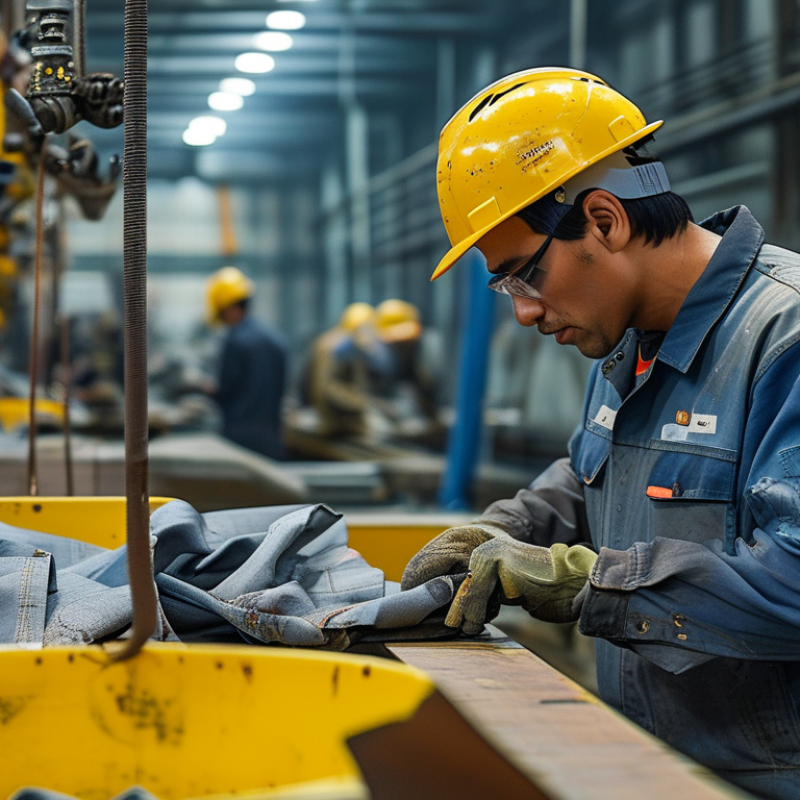
Durable fabrics play a crucial role in industrial workwear, impacting both safety and performance. According to a report by the Occupational Safety and Health Administration (OSHA), 80% of workplace injuries are linked to improper clothing choices. Selecting the right fabric can significantly reduce these risks. Fabrics that resist tearing, abrasion, and heat contribute to worker safety. For instance, garments made from high-denier nylon or reinforced polyester offer enhanced durability.
In the industrial sector, the cost of accidents can be staggering. A study from the National Safety Council shows that a serious workplace injury costs, on average, over $42,000. Using durable fabrics can mitigate these expenses. However, attention to fabric breathability and comfort is also essential. Heavy-duty materials can sometimes restrict movement or lead to overheating, which may offset their effectiveness.
Monitoring the evolving standards in textile technology is vital. Innovations in fabric treatments and weaves can lead to more durable options that also prioritize comfort. While many industries push for advanced materials, some may overlook safety certifications. Ensuring compliance with safety standards like ASTM or ISO can be easily neglected, leading to poor choices. Balancing durability and comfort while adhering to industry regulations is necessary for optimal workwear solutions.
When choosing durable fabrics for industrial workwear, key characteristics play a vital role. Look for fabrics that offer excellent abrasion resistance. This ensures the material can withstand the rigors of a demanding work environment. Soft but tough materials can also enhance comfort while preserving durability.
Tip: Consider the weight of the fabric. Heavier fabrics often provide more protection but may restrict movement. Find a balance that allows flexibility without compromising safety.
Moisture-wicking properties are another essential feature. Fabrics that draw sweat away from the skin keep workers comfortable throughout the day. Breathable fabrics also help in temperature regulation.
Tip: Test fabric samples for their feel and robustness. Some materials might look durable but fail under real conditions. Reflecting on the performance of the chosen fabric can prevent future issues.
When selecting durable fabrics for industrial workwear, understanding the popular fabric types is crucial. Cotton is a common choice due to its comfort and breathability. However, pure cotton lacks durability against heavy wear. A report from the American Society for Testing and Materials highlights that cotton blends, especially with polyester, enhance strength while keeping comfort intact.
Polyester is another favored option for workwear. Its resistance to shrinking and wrinkling makes it suitable for various industries. A survey by the Fabric and Apparel Industry Association indicates that worker satisfaction increases by 30% with polyester-based materials. Yet, polyester alone may not provide sufficient breathability, which could be an issue in hot environments.
In addition, flame-resistant (FR) fabrics are essential for workers in hazardous conditions. These fabrics are often made with a blend of cotton and synthetic fibers, offering protection without sacrificing mobility. Research suggests that using FR materials reduces injury risk by 25%. However, these fabrics can be uncomfortable in warmer climates, raising questions about their usability in all settings. Balancing safety features with comfort is an ongoing challenge in the industry.
When it comes to selecting fabrics for industrial workwear, abrasion resistance and tear strength are critical factors. Abrasion resistance determines how well a fabric can withstand wear and friction. Industrial environments can be harsh; fabrics must endure constant, demanding use without fraying or degrading. Look for materials tested under industry standards for durability.
Tear strength is equally important. It measures how well a fabric can resist tearing when subjected to stress. This is vital in jobs where accidental snags can occur. A fabric with high tear strength offers peace of mind to workers, knowing their attire won't fail when it’s needed most.
**Tips:** Always review fabric specifications. Seek out materials resistant to both tears and abrasions. Test samples under real-work conditions. Don't forget that while some fabrics may boast high metrics, actual durability can vary based on the operational environment. Listen to feedback from workers; their experience can highlight aspects overlooked in technical data.
Maintaining industrial workwear fabrics is essential for extending their lifespan. Most workers face harsh conditions, and fabric durability is crucial. According to a report by the American Apparel & Footwear Association, proper care can increase the lifespan of workwear up to 50%. Ignoring maintenance can lead to premature wear and reduced safety.
Regular washing is vital. Use cold water to prevent fading and shrinkage. Detergents with bleach can weaken fibers over time. Always check care labels. Some fabrics require special handling. For instance, certain materials need to be air-dried instead of using a dryer. This simple practice helps maintain fabric integrity.
Storage also plays a significant role. Fabrics stored in humid areas can attract mold. Use breathable garment bags to protect workwear from dust and moisture. It’s worth noting that regular inspections for wear and tear can catch issues early. Professionals recommend checking for frayed edges and repairing them promptly. Long-term insights show that simple maintenance can save costs related to frequent replacements.
| Fabric Type | Durability Rating | Tear Resistance (N) | Care Instructions | Average Lifespan (years) |
|---|---|---|---|---|
| Cordura | Excellent | 50-70 | Machine washable | 5-7 |
| Ripstop Nylon | Very Good | 40-60 | Hand wash recommended | 4-6 |
| Polyester | Good | 30-50 | Machine wash cold | 3-5 |
| Canvas | Very Good | 45-70 | Spot clean | 5-8 |
| Denim | Good | 30-50 | Machine wash warm | 3-5 |
: Durable fabrics improve safety and performance, reducing workplace injuries linked to improper clothing choices.
High-denier nylon and reinforced polyester are examples that resist tearing and abrasion.
Serious injuries can cost over $42,000. Durable fabrics lessen the risk of such accidents.
Yes, heavy-duty materials can restrict movement and cause overheating, impacting effectiveness.
Regular washing in cold water helps prevent fading and shrinkage, extending fabric lifespan.
Store workwear in breathable garment bags. This helps protect it from dust and moisture.
Ensuring safety certifications prevents poor fabric choices and enhances worker protection.
Neglecting care leads to premature wear and decreased safety, increasing future replacement costs.
Regular inspections can catch issues early, like frayed edges, allowing for timely repairs.
Yes, using bleach or hot water can weaken fibers and diminish fabric durability over time.
When considering how to find the most durable fabric for industrial workwear, it is essential to understand the significance of durability in ensuring safety and longevity. The ideal workwear fabrics must possess key characteristics such as high abrasion resistance, tear strength, and overall robustness. Popular fabric types utilized in industrial settings include heavy-duty cotton, polyester blends, and specialized synthetic materials that cater to the rigorous demands of various work environments.
Evaluating performance aspects, such as abrasion resistance and tear strength, is crucial in assessing fabric suitability for industrial applications. Additionally, maintaining the fabric properly can significantly extend the lifespan of workwear, ensuring that it remains reliable over time. By focusing on these elements, one can effectively navigate the process of selecting the best durable fabric for industrial workwear.

Jennie Fashion