When it comes to roadside work, safety is paramount. Choosing the right gear can mean the difference between life and death. One essential item for workers is the high visibility vest. But what class of high visibility vest do I need for roadside work?
Understanding the different classes of vests is crucial. Class 1 vests are suitable for low-risk environments. Class 2 vests offer better visibility for tasks near traffic. Class 3 vests provide the highest visibility and are recommended for work in heavy traffic areas. Selecting the appropriate class ensures that workers are seen by drivers.
Choosing the right vest is not just about compliance; it’s about protecting lives. Many workers may overlook this choice. They may not realize that the right vest can significantly reduce the risk of accidents. As you consider your options, reflect on your specific working conditions and needs. A thoughtful approach can enhance safety on the job.
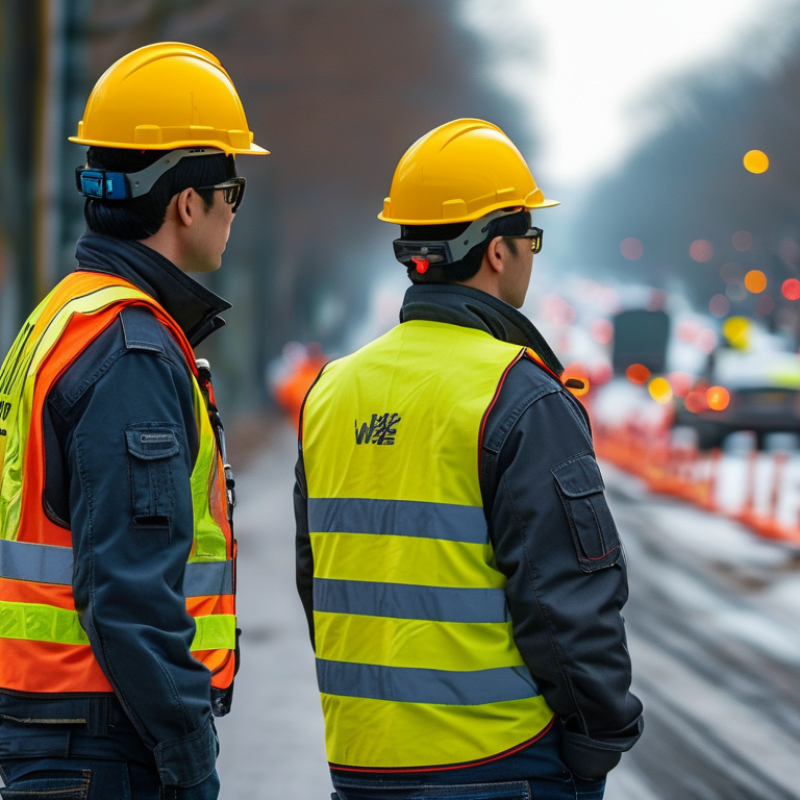
When it comes to roadside work, selecting the right high visibility vest is crucial for safety. A few types are commonly utilized. Class 2 vests are popular among workers on roads with speeds under 50 mph. These vests typically feature reflective strips that enhance visibility without being overly cumbersome.
For more hazardous environments, Class 3 vests offer even greater visibility. This class is ideal for work zones where vehicles travel above 50 mph. A Class 3 vest usually has larger reflective areas and additional features, such as sleeves. Workers wearing these vests stand out significantly, which can be life-saving in critical situations.
Some vests come with pockets and adjustable features, adding functionality. However, choosing the best vest is not always straightforward. Workers might feel uncomfortable or restricted in certain styles. It’s essential to assess the fit and comfort of the vest during long shifts. Finding a balance between visibility and comfort can sometimes take time, but it’s worth the effort for safety on the job.
When selecting a high visibility vest for roadside work, regulatory standards are crucial. These standards ensure the safety of workers in environments with heavy vehicle traffic. Different regions have specific guidelines outlining the requirements for these vests, particularly in terms of color, reflectivity, and design.
Most safety vests must meet ANSI/ISEA 107 standards in the United States. These guidelines classify vests into three categories based on visibility levels. Class 1 vests are suitable for low-risk environments, while Class 2 is for moderate-risk settings. Class 3 vests offer the highest visibility and are ideal for high-risk locations, such as highways. Choosing the correct class directly affects worker safety.
Reflective strips play a vital role in ensuring the vest is seen in low-light conditions. Typically, vests should have at least 1.5 inches of reflective material. However, it is not just about meeting these criteria. Over time, the vest's visibility may diminish due to wear and tear. Regular inspection and maintenance are necessary to ensure continued compliance with standards. Being diligent about these details can make a significant difference in roadside safety.
High visibility vests are crucial for roadside workers due to their ability to enhance visibility in various conditions. According to the National Institute for Occupational Safety and Health (NIOSH), the right colors and reflective materials can significantly reduce the risk of accidents. The most effective colors are fluorescent lime yellow, orange, and pink. These shades are easily visible during the day and can catch attention quickly in low light.
Reflective materials play a pivotal role, especially at night. The American National Standards Institute (ANSI) recommends using vests with a minimum of 310 square inches of reflective material. This ensures workers can be seen from a distance, particularly in hazardous environments. Reflective strips should ideally encircle the vest, providing 360-degree visibility.
Tips: When selecting a vest, consider environments with varying light conditions. For example, a vest that shines brightly in sunlight may not be effective in dim lighting. Additionally, ensure the vest fits comfortably over clothing. A secure fit allows for ease of movement while maintaining visibility.
Using a high visibility vest is more than just a choice; it's a responsibility. Ensure compliance with industry standards to protect yourself and your colleagues on the job. Remember, the right vest can save lives.
| Class | Color | Reflective Material | Best Use Case |
|---|---|---|---|
| Class 1 | Orange | Single Reflective Strip | Low Traffic Areas |
| Class 2 | Yellow | Two Reflective Strips | Medium Traffic Areas |
| Class 3 | Lime Green | Full Reflective Vest | High Traffic Areas |
| Class E | Red | Reflective Panels | Railway Work Zones |
| Class 1A | Pink | Retroreflective Tape | Emergency Response |
When selecting a high visibility vest for roadside work, comfort is key. Extended use can lead to discomfort if the vest does not fit properly. Look for vests that allow for easy movement. Fabrics that are breathable help to keep you cool. Take note of how adjustable the vest is at the shoulders and waist. A flexible fit prevents chafing during long hours.
Tips: Choose a vest with ample pocket space. This allows for easy access to tools or personal items. Lightweight materials are essential for warm weather. They should be durable enough for rigorous tasks. Remember that visibility is critical. Reflective strips should be present for enhanced safety.
Finding the right fit may take some time. Different brands and styles will vary in size and comfort. Consider trying on multiple options, walking around to assess comfort. Pay attention to how the vest feels when bending or reaching. This may require patience, but your safety relies on it. Balancing comfort with visibility will improve your roadside experience.
High visibility vests are essential for roadside work. Proper maintenance ensures they remain effective. Regular cleaning is crucial. Follow the care instructions to prevent color fading and material degradation. Many workers overlook this step. A simple wash can extend the life of the vest.
Inspect your vest frequently for damage. Check the stitching and reflective strips. A torn vest is less visible and can endanger safety. Some may find it tedious, but diligence in maintenance pays off. It's not just about appearance; it’s about protection.
Store vests in a cool, dry place. Avoid exposure to direct sunlight when not in use. Sunlight can weaken fabric over time. Investing time in maintenance fosters a safe working environment. Neglecting these tasks may seem insignificant, but it often leads to serious risks.
: They ensure worker safety in traffic-heavy environments by providing guidelines for color, reflectivity, and design.
These standards classify vests into three categories based on visibility: Class 1, Class 2, and Class 3.
Class 1 is for low-risk areas, Class 2 for moderate-risk, and Class 3 for high-risk locations like highways.
Regular cleaning and inspections for damage and reflective material wear are essential to maintain effectiveness.
Choose a vest with adjustable features and breathable fabric to enhance mobility and reduce discomfort during extended use.
Assess the fit by moving around, bending, and reaching. This ensures comfort and functionality for your tasks.
Inspections should be frequent, checking for damage in stitching and reflective strips to ensure safety.
Store them in a cool, dry place away from direct sunlight to prevent fabric degradation over time.
Yes, overlooking maintenance may seem trivial, but it can lead to serious safety hazards on the job.
Maintaining high visibility is vital for safety, especially in roadside settings, regardless of comfort adjustments needed.
When determining what class of high visibility vest you need for roadside work, it's essential to understand the different types available and the regulatory standards governing their use. High visibility vests are classified into different classes based on their design, materials, and the level of visibility they provide in various environments. For roadside work, where safety is paramount, vests must comply with specific standards to ensure they are effective in alerting drivers and promoting worker safety.
In addition to regulatory standards, factors such as color and reflective material significantly influence the safety of these vests. Choosing the right size and ensuring comfort for extended wear is also crucial, as this affects a worker's performance and alertness. Best practices for maintaining high visibility vests involve regular inspections and proper cleaning to ensure they remain effective over time. Understanding these aspects will help you identify the appropriate vest class for your roadside work needs, ensuring both safety and compliance.

Jennie Fashion