Chemical resistant suits play a vital role in protecting workers from hazardous substances. However, "why do chemical resistant suits have expiration dates" is a question many ask. The materials in these suits can degrade over time, even when stored properly. Factors like temperature, humidity, and exposure to chemicals contribute to this deterioration.
Manufacturers set expiration dates based on extensive testing. This testing ensures that suits maintain their integrity and protective qualities. Regular wear and tear also affect the fabric. After a period, even minor damage can compromise safety. It's essential to inspect and replace suits as needed.
While some may think suits last forever, reality tells a different story. Regular checks can save lives. The question remains: are you taking expiration dates seriously? A proactive approach ensures your safety and health are not at risk. Understanding the limitations of these suits fosters a culture of safety and awareness in the workplace.
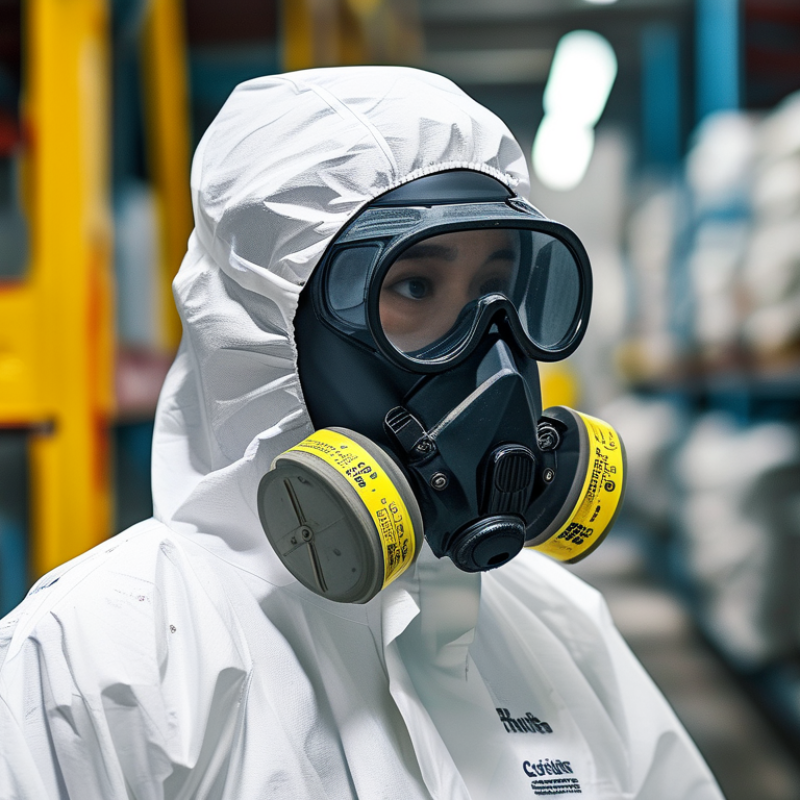
Chemical resistance suits are vital for protecting workers from hazardous substances. However, these suits have a finite lifespan. Understanding what contributes to their expiration can help users make informed decisions. Various factors affect how long a suit remains effective, including material degradation, exposure to chemicals, and environmental conditions.
Reports indicate that most chemical suits have a shelf life of around 3 to 5 years. However, this can vary based on usage and storage. Enhanced exposure to sunlight, extreme temperatures, or chemical agents can accelerate material breakdown. Regular inspections are crucial. A visual check can reveal cracks, tears, or discoloration that indicate loss of integrity.
Some experts suggest that even unused suits may degrade over time. Manufacturers often recommend replacing suits yearly based on environmental factors. Documenting use is another vital aspect. Monitoring how often suits are worn can provide insights into their durability. In practice, maintaining a clear record of suit conditions will help ensure safety and compliance.
Chemical resistant suits are essential for safety in hazardous environments. However, these suits do not last forever. Material degradation, driven by factors like exposure to chemicals, UV light, and environmental stressors, significantly impacts their effectiveness. Studies have shown that up to 70% of suit failures result from material degradation rather than punctures or tears. As the suit ages, the protective barriers become compromised, leading to potential risks for the wearer.
It’s crucial to understand that even minor damage can undermine the entire suit's integrity. Many users overlook signs of wear, thinking a suit appears intact. In reality, material breakdown often happens at a microscopic level. Regular inspections and adherence to manufacturer guidelines can prevent accidents. A report from the National Institute for Occupational Safety and Health (NIOSH) indicates that proactive monitoring of suit conditions can reduce workplace injuries significantly.
Tips: Always perform a visual inspection before use. Look for discoloration, stiffness, or brittleness. Replace suits that show any signs of wear. Stay informed about the materials used and their expected lifespan. Checking the manufacturer’s recommendations can ensure better safety outcomes.
Chemical resistant suits are essential in various industries. They protect workers from hazardous substances. However, these suits do not last forever. Understanding their durability and expiration dates is crucial for safety.
Industry standards dictate the lifespan of these protective suits. Manufacturers conduct rigorous testing. They evaluate how materials react to different chemicals. Over time, exposure can degrade the suit's integrity. This can lead to a risk of exposure to harmful substances.
Inspecting the suit for any visible damage is important. Look for rips, tears, or discoloration. Even if a suit appears intact, chemicals may have weakened it. Different environmental factors can also affect durability. Heat, sunlight, and humidity play significant roles. Maintaining and storing suits properly can prolong their life. Regular training on the proper use and inspection of these suits helps ensure safety in the workplace.
Chemical resistant suits are essential for personnel in hazardous environments. However, they have a finite lifespan due to various environmental factors. Ultraviolet (UV) light, extreme temperatures, and chemical exposures significantly influence the durability of these suits. A study by the American Society for Testing and Materials (ASTM) indicates that UV radiation can degrade synthetic materials in just a few months.
High humidity and moisture levels also accelerate suit degradation. Water can penetrate seam areas and may not evaporate efficiently. Reports show that over 40% of chemical suit failures occur due to compromised seams from environmental stress. Mechanical stress, such as abrasion and punctures, can further diminish their protective capabilities. Regular inspection protocols are vital to ensure continued suit integrity.
Additionally, improper storage conditions can lead to premature expiration. Storing suits in damp or unventilated areas increases the risk of mold and mildew. Frequent exposure to aggressive chemicals can alter the suit’s material structure, making it less effective. Knowledge of these conditions is critical for safety compliance in the workplace. Awareness helps in making informed decisions on suit usage and replacement, ultimately reducing workplace incidents.
Chemical resistant suits are vital for personal safety in hazardous environments. Regular inspections are essential to ensure their effectiveness. According to a report by the National Institute for Occupational Safety and Health (NIOSH), 30% of workplace injuries involve chemical exposure. Therefore, maintaining these suits is not just a best practice; it’s critical.
When inspecting suits, look for signs of wear and tear. Small tears can compromise protection. Pay close attention to seams and closures. A study by the International Safety Equipment Association noted that 15% of suits failed in field tests due to improper maintenance. It’s a call to action for workers to become vigilant in their assessments.
Proper cleaning is another key practice. Many chemical resistant suits degrade when exposed to improper cleaning agents. Use specified detergents to avoid damage. Always follow the manufacturer’s guidelines. Regularly check for expiration dates; even the best suits have a limited lifespan. They can lose their protective qualities over time. Reflecting on these practices can significantly enhance safety in hazardous jobs.
| Aspect | Details |
|---|---|
| Expiration Factors | Material degradation, exposure to chemical substances, UV light, and extreme temperatures. |
| Inspection Frequency | Before every use and at least once a year for general maintenance. |
| Common Signs of Damage | Tears, discoloration, stiffness, and any chemical odor. |
| Maintenance Tips | Clean according to manufacturer instructions, store in a cool, dry place, and avoid exposure to harsh chemicals. |
| Replacement Recommendations | Replace every 2-5 years depending on usage conditions and manufacturer guidelines. |
: Most chemical suits last around 3 to 5 years, but this can vary.
Material degradation, chemical exposure, and environmental conditions all affect lifespan.
Yes, even unused suits may degrade, according to some experts.
Inspections reveal cracks, tears, and discoloration, indicating loss of integrity.
UV radiation can degrade synthetic materials within just a few months.
Extreme temperatures, humidity, and aggressive chemicals significantly influence durability.
Storing suits in damp areas can lead to mold and mildew, reducing their lifespan.
Over 40% of failures occur because of seam issues caused by environmental stress.
Abrasion and punctures can diminish the protective capabilities of the suits.
Keeping records of usage helps monitor durability and ensures safety compliance.
Chemical resistant suits are essential for ensuring safety in hazardous environments, but understanding why do chemical resistant suits have expiration dates is crucial for maintaining their effectiveness. The lifespan of these suits is influenced by several factors, including material degradation over time, environmental conditions such as exposure to UV light and chemicals, and industry standards that dictate durability and safety. Over time, the integrity of the materials may weaken, compromising the suit's protective capabilities.
To ensure safety, it is important to adhere to best practices for inspection and maintenance. Regular checks for signs of wear, tears, or material fatigue can help extend the life of the suits and ensure that they remain effective when needed. Consumers should be aware of expiration dates and industry guidelines to protect themselves and their workforce from potential chemical hazards.

Jennie Fashion