Top 10 Differences Between Hard Shell and Softshell Jackets

Time:2026-10-30 Author:Henry
0%

Choosing between a hard shell and a softshell jacket can feel simple until the weather turns. A hard shell usually blocks wind and rain with a protective outer layer, making it useful in exposed, wet conditions. A softshell often favors stretch, breathability, and comfort during active movement. The difference becomes clear when you climb a damp trail, feel gusts cut across a ridge, or work up a sweat under a pack. Small details matter.

So, what is the difference between hard shell and softshell jackets in everyday use? This guide compares weather protection, breathability, durability, fit, layering, and other practical features. It also explains why fabric labels alone cannot tell the whole story. Construction, membrane, seam sealing, and ventilation can change how a jacket performs. Not every shell feels the same.

The right choice depends on your activity, local conditions, and how you handle changing weather. A hard shell may keep steady rain off, yet feel clammy during a fast uphill hike. A softshell can feel easier to move in, but may wet through in prolonged rain. Neither option is automatically better. I have found that shoppers sometimes focus too much on the jacket category and too little on their actual use. That is an easy mistake. The comparisons ahead offer a grounded way to weigh the trade-offs, check product claims, and choose a layer that suits your plans—not just the forecast on the day you buy it.
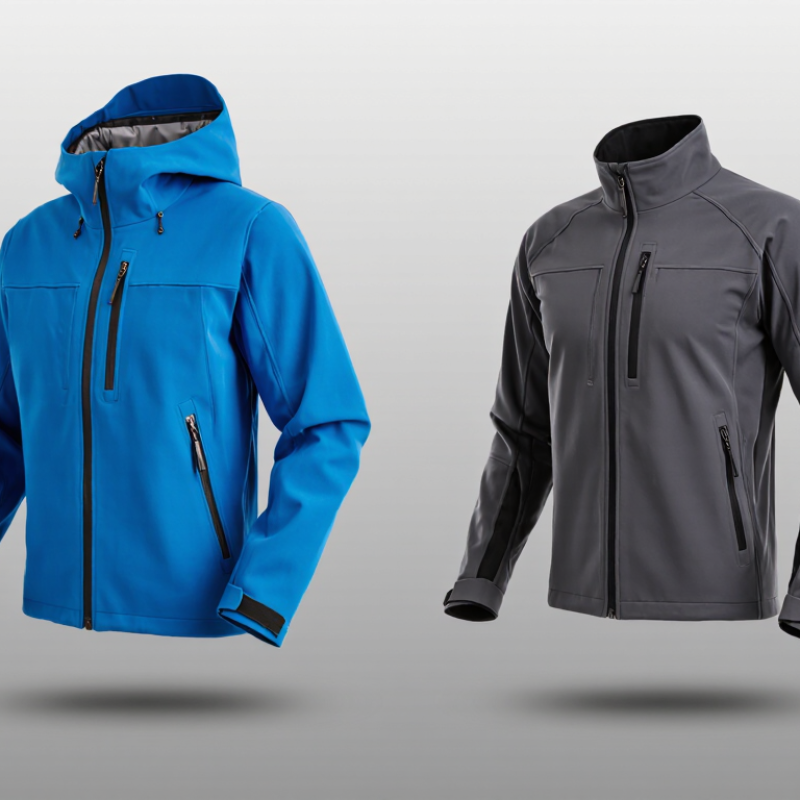
Top 10 Differences Between Hard Shell and Softshell Jackets

How Hard Shell and Softshell Jackets Are Constructed

A hard-shell jacket is built as a weather barrier. Its outer fabric is bonded to, or paired with, a waterproof-breathable membrane. The membrane blocks liquid water while allowing some water vapor to escape. A water-repellent finish helps rain bead on the surface. Seams are usually taped to cover needle holes, and zippers may have protective flaps. This layered construction favors storm protection, but can feel crisp or noisy.

A softshell often uses a stretchy woven or knitted face fabric, sometimes with a brushed inner backing for warmth. Some designs include a membrane; others rely on a dense weave and water-repellent finish. They generally prioritize movement and airflow over prolonged rain protection. Details matter. Softshell seams may not be fully sealed, so water can seep through during steady downpours. The trade-off is noticeable when reaching, hiking, or carrying a pack: the fabric usually moves more easily, though warmth and weather resistance vary by construction.

Tips: Check the seam treatment and inner face, not just the jacket label. Feel the fabric while moving your arms. If you expect long, wet exposure, a softshell may disappoint; even hard shells can feel clammy during hard exertion.

How Their Waterproofing and Wind Protection Differ

Waterproofing is the clearest difference between these jacket types. Most hard shells use a waterproof membrane or coating, with sealed seams to limit leaks. In steady rain, that construction helps keep water from reaching inner layers. Water can still enter through an open collar, worn cuffs, or a poorly adjusted hood. Details matter.

Softshells usually rely on tightly woven fabric and a water-repellent finish. They can shed drizzle and light snow, but prolonged rain may soak through. A damp sleeve after a short shower is a useful reminder: water resistance is not the same as waterproofing. Not always. Finishes can also wear down, so care instructions matter.

Wind protection depends on fabric construction, not just the jacket label. Hard shells generally block wind well, which is valuable on exposed ridges where gusts cut through thin layers. Many softshells resist wind while allowing more airflow, helping during uphill movement when sweat builds. Some block wind almost completely; others do not. It is easy to assume every softshell behaves alike, but weave, lining, and fit change the result. On a breezy walk, check how air moves through the fabric—and whether the jacket’s protection matches the weather you actually face.

Top 10 Differences Between Hard Shell and Softshell Jackets

Typical performance comparison: waterproofing, wind protection, comfort, and construction.

Scores are a qualitative comparison of typical jacket designs on a 1–5 scale, not standardized test results. Actual performance varies by fabric, membrane, construction, and garment. Hard shells generally provide stronger protection in sustained rain, while softshells usually offer more stretch and quieter, more breathable comfort.

How Breathability and Comfort Compare During Activity

During a steep climb, a jacket’s comfort depends on how quickly it releases heat and moisture. Softshell fabrics usually allow more airflow, so they can feel less clammy when you are moving fast. The stretch also follows your shoulders as you reach for a high step. That matters.

But airflow has a trade-off: a cool breeze can pass through, especially on an exposed ridge. Hard shells usually block wind and rain more effectively, yet their membranes cannot always keep pace with heavy sweating. Damp air may collect inside, even when the jacket is technically breathable. Opening pit zips or front vents can help, though you may need to adjust them as effort changes.

Small detail. On a stop-start hike, a softshell may feel comfortable on the ascent, while a hard shell earns its place when rain begins. It is easy to judge a jacket by its fabric alone; in practice, fit, ventilation, humidity, and pace all affect comfort. A slightly loose cuff or a backpack pressing against the back can change how warm the same jacket feels.

How Durability, Flexibility, and Layering Affect Use

Hard shells and softshells behave differently once weather, movement, and extra layers enter the picture. A hard shell’s coated or laminated fabric blocks wind and rain, but it can feel stiff when reaching overhead or scrambling across rocks. A softshell usually bends more easily, making it comfortable for a brisk climb or a long walk with a pack. Its stretch-woven face also handles everyday scuffs, though “softshell” does not guarantee full waterproofing.

A useful technical benchmark is EN 343:2019, the European standard for protective clothing against rain. Its highest water-penetration class requires more than 20,000 Pa in the specified test. That figure describes a laboratory result, not a promise that every jacket will stay dry in every storm.

Small detail, big difference.

Softshells often work well over a thin base layer, while a roomier hard shell can fit over fleece or insulation when temperatures drop. Check the fit with your actual midlayer: a shell that pulls tight at the shoulders can restrict movement and compress insulation. One caveat is easy to miss: a durable outer fabric can still wet out, and a flexible jacket may need a separate waterproof layer in prolonged rain.

How to Choose and Care for Each Jacket Type

Choose by weather and effort, not by a jacket’s label alone. A hard shell suits steady rain, wet snow, and exposed ridgelines, especially when a pack rubs your shoulders. Its fabric can feel clammy during a steep climb, though. A softshell usually breathes and stretches better for brisk hikes in cool, dry weather, but wind and prolonged rain may pass through. Test the fit with your usual layers.

Check sleeve reach, hood movement, and hem coverage before buying. Raise both arms; cuffs should not slide far above your wrists. Fit matters. For hard shells, follow the care label, close zippers, and wash away grit with a suitable technical-garment cleaner. Dirt and body oils can reduce water repellency. If water stops beading, restore the finish only as directed by the maker; heat is not suitable for every fabric.

Softshells also benefit from prompt washing after sweaty trips, since salt can stiffen fabric and hold odors. Use a gentle cycle and skip fabric softener, which may affect breathability. Air-dry unless the care label permits low heat. Inspect seams, cuffs, and pocket edges after rough use. A damp softshell may feel fine while you’re moving, then chilly at a rest stop. That trade-off is easy to underestimate.

FAQS

What is the main difference between a hard shell and a softshell?

A hard shell blocks wind and rain more effectively. A softshell usually stretches and breathes better during active movement.

When is a hard shell the better choice?

Choose one for steady rain, wet snow, or exposed ridgelines. It can feel clammy during a steep climb.

When does a softshell work well?

It suits brisk hikes in cool, dry weather. Its flexible fabric handles movement and everyday scuffs, but may let prolonged rain through.

Can a softshell keep me completely dry?

Not necessarily. “Softshell” does not guarantee full waterproofing, so carry a waterproof layer when rain may last.

How should I check a jacket’s fit?

Try it with your usual layers. Raise both arms and check that the cuffs stay near your wrists.

How much room should a hard shell have?

It should fit over fleece or insulation without pulling at the shoulders. Tight fabric can restrict movement and compress warm layers.

How should I care for a hard shell?

Follow its care label, close the zippers, and wash away grit with suitable cleaner. Restore water repellency only as directed.

How should I care for a softshell?

Wash it gently after sweaty trips; salt can stiffen the fabric and hold odors. Skip fabric softener and air-dry unless the label permits low heat.

Why can a damp softshell feel uncomfortable at a rest stop?

It may feel fine while you are moving, then chilly when you stop. I’d underestimated that trade-off before.

Conclusion

Understanding what is the difference between hard shell and softshell jackets starts with their construction. Hard shells typically use a protective outer fabric and a waterproof membrane or coating, making them well suited to heavy rain and strong wind. Softshells are usually stretchier and more breathable, offering comfort and freedom of movement during active pursuits, but they generally provide less reliable protection in prolonged downpours. Their balance of wind resistance and ventilation can make them more comfortable when you are working up a sweat.

The right choice depends on the weather, activity, and layers you plan to wear. A hard shell works well as an outer barrier over insulating layers, while a softshell can be comfortable on its own in cool, dry conditions or layered beneath a shell. Hard shells often resist harsh weather but may feel stiffer; softshells prioritize flexibility, though their fabric may need gentler care. Follow each jacket’s care instructions, clean it appropriately, and maintain its water-repellent finish when needed to help preserve performance.

Henry

Henry

Henry is a dedicated marketing professional with a profound expertise in the company's offerings. With years of experience in the industry, he possesses an impressive understanding of the market dynamics and consumer behaviors that drive success. Henry is committed to sharing his insights through......