High Vis Workwear Safety Standards You Need to Know?

Time:2026-07-29 Author:Isabella
0%

When it comes to high-vis workwear, understanding safety standards is crucial. Many workers rely on these garments for visibility and safety while on the job. However, the question remains: what are the official safety standards for high-vis workwear? These standards ensure that the clothing provides adequate protection in various environments, from construction sites to roadside maintenance.

Compliance with these standards is not just a formality. It can mean the difference between life and death in hazardous work zones. Yet, there is often confusion surrounding which standards apply to specific industries. Organizations must take the time to review and understand these requirements. Familiarity with high-visibility standards like ISO 20471 or ANSI/ISEA 107 can enhance safety protocols and reduce workplace accidents.

In some cases, employers may overlook these regulations, thinking they are excessive. However, this perception can lead to dangerous situations. Workers may find themselves at risk when proper standards are not upheld. High-visibility workwear is not merely a jacket; it is an essential piece of safety equipment that warrants thoughtful consideration. Recognizing and adhering to safety standards is an obligation that every employer should prioritize for their team’s protection.
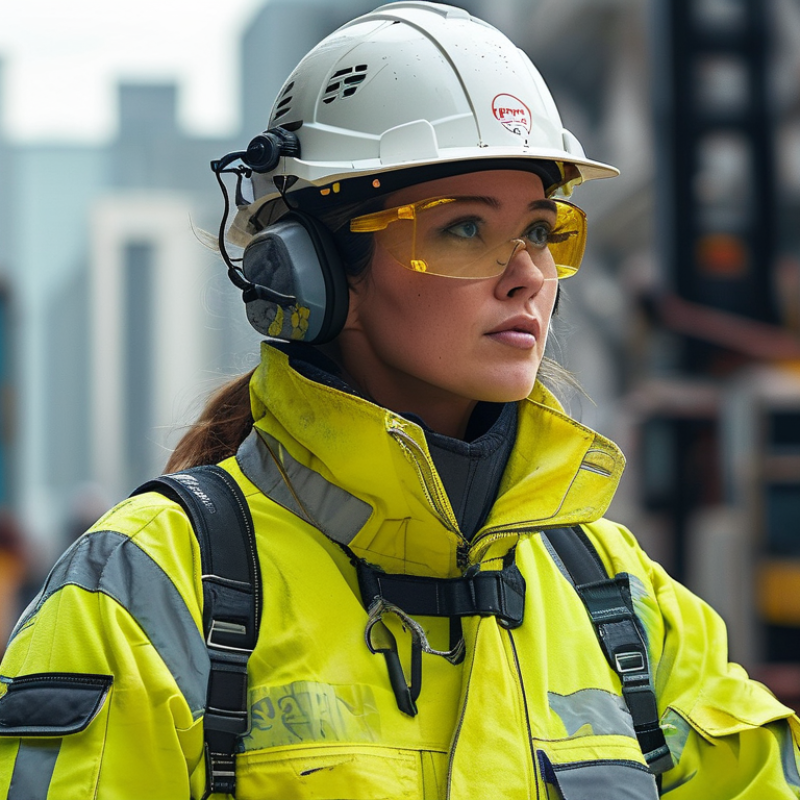
High Vis Workwear Safety Standards You Need to Know?

Understanding High Visibility Workwear: Definition and Importance

High visibility workwear is essential in many industries. Its primary purpose is to ensure that workers are seen, especially in low-light conditions. This type of clothing uses bright colors and reflective materials. It helps reduce the risk of accidents on job sites. Understanding the importance of high visibility workwear is crucial for both employers and employees.

Wearing high visibility gear is not just about meeting safety standards. It can significantly enhance a worker's visibility, making them easier to spot in hazardous environments. This protective apparel is particularly vital in areas like construction, roadwork, and warehousing. Well-designed high visibility clothing can also enhance comfort and mobility, which is often overlooked.

Tips: Choose workwear that fits well. A loose garment may snag or hinder movement. Regularly inspect your clothing for wear and tear. Reflective strips can wear down, compromising visibility. Don't forget to consider the weather when selecting high visibility workwear. Choosing moisture-wicking materials can improve comfort, but they should remain visible at all times. Each detail matters in maintaining safety on the job.

Key Safety Standards for High Visibility Workwear

High visibility workwear is critical for ensuring safety in various industries. Understanding the key safety standards for this type of clothing can protect workers from accidents. The American National Standards Institute (ANSI) sets these standards, particularly ANSI/ISEA 107. This standard categorizes high visibility apparel based on its performance and reflective properties. According to a report by the National Institutes of Health, wearing high visibility clothing can reduce accident rates by 28%.

It is vital to remember that not all high visibility workwear is created equal. There are different classes of visibility garments. Class 1 is for low-risk areas, while Class 3 offers the highest visibility for high-risk environments. Ensuring that workers wear the correct class can significantly enhance their safety.

**Tips:** Always check for labels that confirm compliance with ANSI standards. Conduct regular assessments of work locations to identify visibility challenges. Consider local regulations, as they may have specific requirements regarding workwear. These small steps can make a significant difference in safety outcomes.

High Vis Workwear Safety Standards You Need to Know

Standard Description Visibility Level Reflective Properties
ANSI/ISEA 107 Sets requirements for high visibility clothing. Class 1, Class 2, Class 3 Minimum retroreflective material area required.
EN 471 European standard for high visibility clothing. Class 1, Class 2, Class 3 Reflectivity levels based on fabric and design.
AS/NZS 4602 Australian/New Zealand standard for high visibility garments. Daytime, Day/Night Variety in retroreflective striping.
OSHA Regulations Occupational Safety and Health Administration guidelines on visibility. Depends on worksite hazards. Recommendations for reflective materials.

Types of High Visibility Materials and Their Features

High visibility materials are crucial for worker safety. These fabrics are specifically designed to enhance visibility in various environments. The majority of industries dealing with outdoor work rely on such materials. According to the ANSI/ISEA 107-2020 standard, proper high-visibility clothing reduces the risk of accidents significantly. Workers in construction, road maintenance, and logistics need to be easily seen.


There are various types of high visibility materials. Fluorescent fabrics are popular due to their bright colors, which absorb and reflect light. For instance, fluorescent yellow-green is recognized as the most visible color in daylight. Reflective materials, often used in combination with fluorescent fabrics, come into play during low-light conditions. They reflect light from vehicles and machinery, significantly improving safety at night or in poor weather. Research from the CDC shows that reflective gear can lower the incidence of work-related accidents by up to 30%.


While many may assume all high visibility materials are equally effective, this is misleading. The quality and construction of the fabric play a vital role. Some lower-grade materials may wear down quickly, losing their effectiveness. Regular audits and inspections can ensure that garments meet safety standards. However, there is still room for improvement in how industries adopt and enforce these standards. Creating awareness about material selection can save lives.

Regulatory Compliance: ANSI/ISEA Standards Explained

When it comes to high visibility workwear, understanding the ANSI/ISEA standards is essential. These standards set the benchmark for safety in various industries. They focus on ensuring that workers are visible in hazardous environments. Compliance with these standards is not merely a recommendation; it’s often a legal requirement. Therefore, familiarity with these regulations is critical for employers and employees alike.

The ANSI/ISEA 107 standard defines different classes of visibility apparel based on the work environment. Class 1 is for areas with low traffic, while Class 3 is for high-risk areas. Each class specifies the amount and type of reflective material required. However, there are nuances that can lead to confusion. Employers may misinterpret these guidelines, leading to inadequate compliance. Understanding these intricacies can significantly affect the safety of workers on-site.

Though regulatory compliance sounds straightforward, the reality is often more complex. Many businesses struggle to implement these standards effectively. Some workers might still not wear proper gear, thinking “it won’t happen to me.” This mindset can jeopardize safety. It's crucial to foster a culture where compliance is prioritized and understood by everyone involved. Balancing regulations with practicality is a challenge but essential for workplace safety.

High Visibility Workwear Safety Standards Compliance

Best Practices for Selecting and Maintaining High Visibility Gear

Choosing the right high visibility gear is crucial for safety in various work environments. A recent study by the Occupational Safety and Health Administration (OSHA) highlighted that about 50% of workplace accidents occur in low-light or high-traffic areas. As such, proper selection of high vis workwear is essential. Look for gear that meets standards such as ANSI/ISEA 107-2015, which categorizes visibility garments based on the wearer's exposure to hazards.

Maintaining high visibility gear is just as important as selection. Regular inspections are necessary to ensure compliance with safety standards. Check for rips, tears, or significant fading. A study from the National Institute for Occupational Safety and Health (NIOSH) suggests that wearing worn-out gear reduces visibility by as much as 30%. It’s also advisable to wash gear according to manufacturer directions to preserve reflectivity. Remember that effective safety gear must meet the job's demands. Consider the work environment and adjust visibility levels accordingly.

Lastly, user comfort should not be overlooked. Heavy gear can lead to fatigue, impacting job performance. A survey by the American Society of Safety Professionals (ASSP) found that 35% of workers felt their safety attire was uncomfortable. Balancing comfort with safety ensures workers are more likely to wear their gear properly and consistently. Reflecting on these factors can lead to better choices in high visibility workwear.

FAQS

: What is high visibility workwear?

: High visibility workwear uses bright colors and reflective materials. It ensures workers are seen, especially in low-light conditions.

Why is high visibility workwear important?

It reduces the risk of accidents on job sites. Proper visibility is crucial in construction, roadwork, and warehousing.

How should high visibility gear fit?

Choose workwear that fits well. Loose garments may snag and hinder movement, increasing safety risks.

What should I inspect on my high visibility gear?

Regularly check for rips, tears, or fading. Worn-out gear can significantly reduce visibility by up to 30%.

What materials are suitable for high visibility workwear?

Consider moisture-wicking materials for comfort. They should still provide good visibility in all weather conditions.

How can comfort affect the use of high visibility gear?

Heavy gear can lead to fatigue. Workers are less likely to wear uncomfortable safety attire consistently.

How often should I wash high visibility gear?

Wash according to manufacturer directions. This preserves the gear's reflectivity and ensures continued safety.

What are the common hazards in which high visibility gear is necessary?

Hazards are often found in low-light or high-traffic areas. These environments increase the risk of accidents.

What standards should high visibility gear meet?

Look for gear that meets standards like ANSI/ISEA 107-2015. Compliance indicates proper visibility for safety.

Why is user comfort a critical factor?

Many workers find their safety attire uncomfortable. This can impact job performance and willingness to wear the gear.

Conclusion

High visibility workwear is essential for ensuring safety in environments where workers are at risk of being unnoticed by machinery or vehicles. Understanding its definition and importance lays the groundwork for recognizing the significance of complying with safety standards. The key safety standards for high visibility workwear include guidelines on brightness, color, and reflective features, ensuring that workers are easily seen regardless of the conditions.

When discussing what are the official safety standards for high-vis workwear, the ANSI/ISEA standards come into play, providing detailed specifications to promote visibility and safety. Various types of high visibility materials with different features cater to specific needs, making selecting the right gear crucial. Finally, best practices for maintaining high visibility gear ensure that the equipment remains effective over time, thereby safeguarding workers in their daily tasks.

Isabella

Isabella

Isabella is a dedicated marketing professional with a sharp focus on driving brand growth and engagement through strategic content creation. With an extensive background in digital marketing, she combines her passion for storytelling with her keen understanding of industry trends to deliver......