How to Identify Genuine Flame Resistant Workwear Quality?

Time:2026-06-19 Author:Amelia
0%

When it comes to safety in hazardous work environments, flame resistant workwear is essential. Many workers rely on this gear to protect them from fire hazards. However, not all workwear marketed as flame resistant meets the necessary standards. This presents a significant challenge for many professionals. Knowing how to tell if workwear is genuinely flame resistant is crucial.

Understanding the quality of flame resistant clothing is not always straightforward. Various labels and certifications exist, and some may be misleading. It is important to look for specific features. For instance, examine the fabric type and the manufacturer's compliance with safety standards. Higher-quality garments often have detailed certifications and undergo rigorous testing.

Workers should take the time to educate themselves about flame resistant materials. Researching trusted brands can provide more assurance. Additionally, consider seeking advice from industry experts. However, even reliable information may sometimes carry a degree of uncertainty. It’s vital to remain vigilant and skeptical. The right choice can truly make a difference in workplace safety.
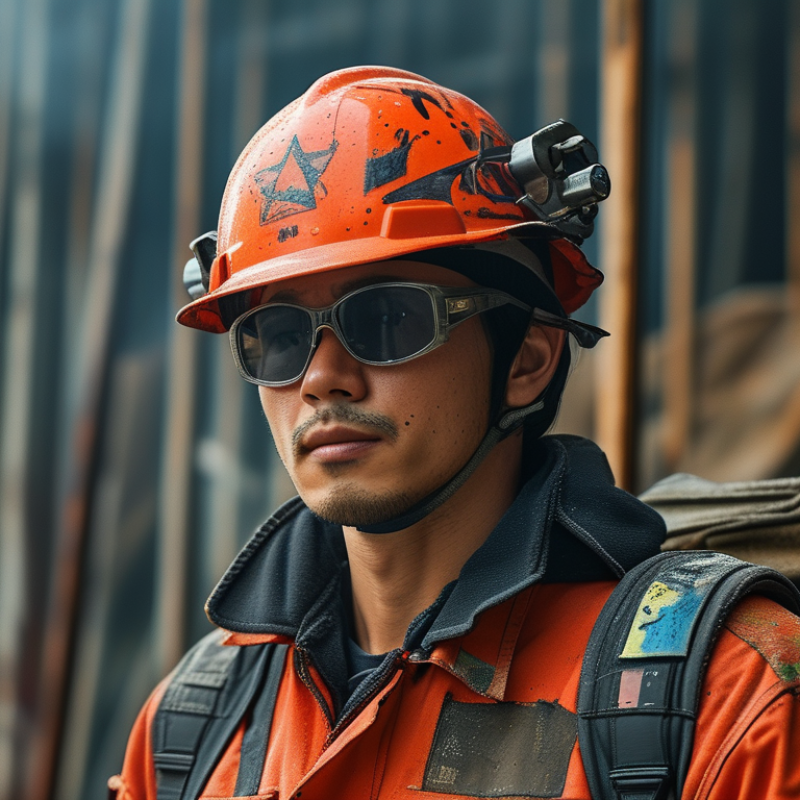
How to Identify Genuine Flame Resistant Workwear Quality?

Understanding Flame Resistant Workwear Standards and Certifications

Flame resistant workwear is essential for industries where workers face fire hazards. Understanding the standards and certifications for this type of clothing is critical. For instance, NFPA 70E, established by the National Fire Protection Association, outlines safety requirements for electrical work. This standard emphasizes the need for garments with proper flame resistance ratings.

Another important certification is ASTM F1506, detailing guidelines for protective clothing. According to data from the American Society for Testing and Materials, garments meeting this standard must have a minimum arc thermal performance value (ATPV) of 8 cal/cm². This ensures adequate protection in hazardous environments. Additionally, the International Organization for Standardization has standards like ISO 11612, focusing on clothing's ability to protect against heat and flames.

The challenge is ensuring that workwear truly meets these standards. Some products may claim compliance without real testing. It’s vital for organizations to seek proof of certifications from manufacturers. A lack of transparency can lead to safety risks. Workers should feel confident that their clothing is tested for real-world conditions. Investing in quality can only happen with the right information and standards in mind.

Key Materials Used in Flame Resistant Workwear and Their Properties

Selecting flame-resistant workwear involves understanding critical materials and their properties. Common fabrics include Nomex, Kevlar, and treated cotton. Nomex offers excellent heat resistance due to its unique molecular structure. It remains stable and does not melt when exposed to flames. This makes it a popular choice for firefighters and industrial workers.

Kevalar is another strong contender. Known for its durability, it is often used in protective gear. Its lightweight nature aids comfort without compromising safety. Treated cotton, while not as robust as synthetic options, provides an economical alternative. Its treatment process enhances fire resistance but requires careful maintenance.

However, real-world applications reveal limitations. Some materials may degrade over time, affecting protection levels. Workers should assess wear patterns regularly. Comfort and flexibility are also crucial, as heavy and restrictive clothing can hinder performance. Understanding these materials helps in making informed choices for safety and comfort.

Identifying Quality Construction Features in Flame Resistant Clothing

Identifying quality construction features in flame resistant clothing is essential for ensuring worker safety. According to the National Fire Protection Association (NFPA), nearly 70% of workplace fire incidents could be mitigated with proper protective gear. When choosing flame resistant workwear, look for certifications such as NFPA 701, which verifies the material's flame resistance.

Key features include fabric quality, stitching, and fit. High-quality flame resistant materials should have a minimum weight of 7 oz for optimal protection. Check the seams; double-stitched seams are more durable and reduce the risk of tearing. Additionally, garments that fit well minimize exposure. It’s not just about compliance; it’s about comfort and usability.

Many workers overlook the importance of maintenance. Frequent washing can degrade flame resistance. Reports indicate that improper laundering may reduce protective features by up to 50%. Workers should follow care instructions closely. This aspect often gets neglected, yet it is vital for real-world effectiveness. Identifying these construction features can make a significant difference in personal safety and performance in hazardous environments.

Testing Methods for Assessing Flame Resistance in Workwear

To evaluate the flame resistance of workwear, specific testing methods are essential. These tests assess how well textiles withstand high temperatures and open flames. Common methods include the ASTM F1930 and ISO 15025. Each test measures distinct aspects of fabric performance, such as ignition time, heat transfer, and after-flame duration.

When selecting flame-resistant workwear, consider the relevant certification standards. Look for labels that indicate compliance with industry benchmarks. Fabrics should be tested to ensure they meet these rigorous requirements. Pay attention to details that could influence the effectiveness of the protective gear. A tear or a seam may compromise its overall integrity.

Tips: Always read reviews or seek expert opinions on the protective clothing. This helps you make informed decisions. Do not rely solely on price as an indicator of quality. Sometimes, high cost does not guarantee superior performance. Regularly inspect your gear for wear and ensure it remains in proper condition.

Tips for Selecting Reliable Brands of Flame Resistant Workwear

When selecting flame resistant workwear, reliability is critical. Start by looking for certifications. These ensure compliance with safety standards. Certified garments offer assurance of quality. Labels should clearly state the level of protection. This makes it easier to compare options.

Consider the materials used in the workwear. Natural and synthetic fibers often contribute to the flame-resistant properties. Some materials may feel stiff or uncomfortable. It's important to prioritize comfort alongside safety. A good fit enhances mobility, essential for many jobs.

Do not overlook customer reviews and feedback. Genuine opinions from users reveal real-world performance. Look for consistent comments about durability and protection. However, remember that individual experiences may vary. Take time to research and connect with knowledgeable experts if needed. It’s a worthwhile investment in your safety and comfort.

FAQS

: What is flame resistant workwear?

: Flame resistant workwear protects workers from fire hazards in various industries. It helps minimize injuries and fatalities.

Why are certifications important for flame resistant clothing?

Certifications ensure garments meet safety standards. They provide assurance that the clothing has been tested for effectiveness.

What certifications should I look for when choosing workwear?

Key certifications include NFPA 70E, ASTM F1506, and ISO 11612. Each sets specific safety performance criteria.

How can I verify the flame resistance of a garment?

Look for testing labels and certification proof from manufacturers. Ensure the clothing has been genuinely tested for safety.

What should I consider when selecting flame resistant workwear?

Focus on certifications, materials, comfort, and fit. A good fit enhances mobility, crucial for many job tasks.

Are there specific testing methods for assessing flame resistance in fabrics?

Yes, common methods include ASTM F1930 and ISO 15025. They evaluate various aspects like ignition time and heat transfer.

How can I ensure my protective gear remains effective over time?

Regularly inspect your gear for wear, tears, or seams. Any damage can compromise its flame-resistant properties.

Should I trust product reviews when selecting workwear?

Yes, customer reviews provide insight into real-world performance. However, individual experiences can vary, so consider all feedback.

Is price a reliable indicator of flame resistance quality?

No, a high price does not always guarantee better performance. Research and expert opinions are more important.

What materials are best for flame resistant workwear?

Both natural and synthetic fibers offer flame-resistant properties. Prioritize comfort, as well as safety, when selecting materials.

Conclusion

When searching for high-quality flame resistant workwear, understanding the relevant standards and certifications is crucial. This ensures that the clothing meets safety regulations designed to protect workers from fire hazards. Key materials used in flame resistant workwear, such as inherently flame-resistant fabrics and treated textiles, possess unique properties that enhance their protective capabilities. To determine how to tell if workwear is genuinely flame resistant, one should pay attention to specific construction features, including double-stitched seams and flame-resistant finishes.

Testing methods for assessing flame resistance, including ASTM and NFPA standards, further validate the effectiveness of the garments. Therefore, when selecting reliable brands of flame resistant workwear, it's essential to look for products that comply with these standards, utilize quality materials, and exhibit durable construction. These attributes will help ensure that the workwear provides the necessary protection in hazardous environments.

Amelia

Amelia

Amelia is a seasoned marketing professional with a wealth of expertise in our company’s core offerings. With an unwavering passion for driving growth and innovation, she plays a pivotal role in shaping our marketing strategies and enhancing brand visibility. A key aspect of her responsibilities......