Rainwear is essential for staying dry in wet conditions. However, many consumers often wonder: "why did my rainwear lose its water repellency?" Understanding the science behind water repellency can help explain this common issue. Research indicates that over 50% of consumers experience decreased performance in their rain gear within a year of use.
Water repellency is primarily due to durable water repellent (DWR) coatings. These coatings can wear off over time due to exposure to various elements. Factors such as abrasion, washing, and environmental conditions contribute to this decline. According to industry data, nearly 70% of users improperly care for their rainwear. This negligence significantly accelerates the loss of effectiveness.
Moreover, the composition of fabrics plays a crucial role. Some materials naturally resist water better than others. Understanding your rainwear's care instructions is crucial. This knowledge could make the difference between lengthening the life of your gear or facing the disappointment of ineffective protection. Reflecting on these nuances can provide valuable insights into maintaining optimal performance and care for your rainwear.
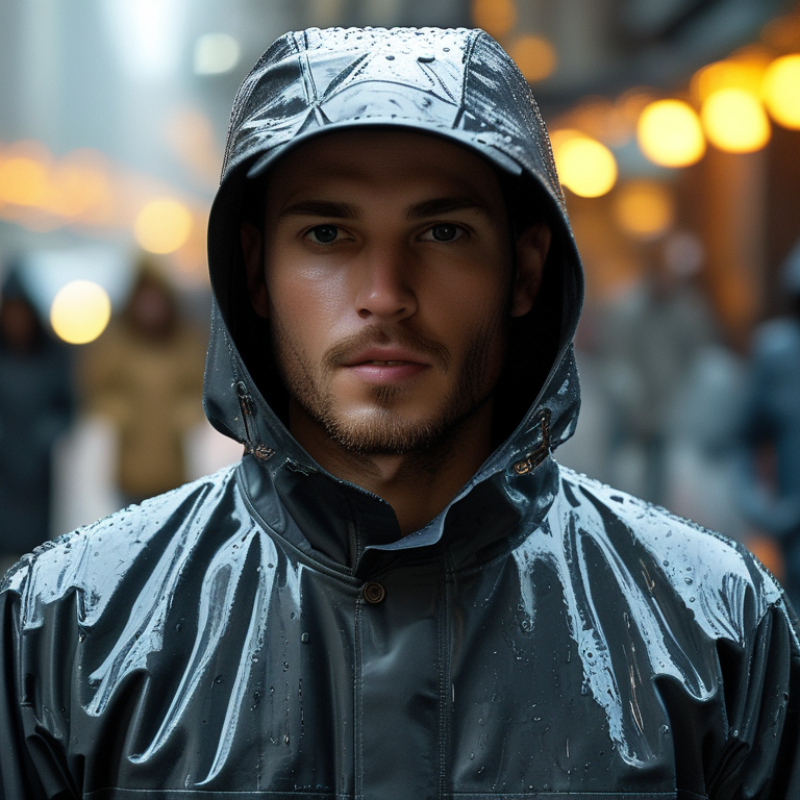
Understanding water repellency in rainwear is crucial for effective performance. Over time, water-repellent finishes can diminish due to various factors. The primary culprit is often regular wear and tear from washing or abrasion against surfaces.
When washing rainwear, harsh detergents can strip away the water-repellent coating. Not all detergents are gentle enough. Even fabric softeners can leave residues that attract moisture instead of repelling it. It's essential to follow care instructions closely to maintain the fabric’s integrity.
Environmental exposure plays a significant role as well. UV radiation from sunlight can break down the materials. Continuous exposure to rain and dirt can also weaken the repellency. Regular maintenance is vital, such as reapplying a water-repellent treatment when necessary. Observing how your rainwear performs during light drizzle versus heavy rain can provide insights into its condition. Understanding these factors helps in prolonging the lifespan of your gear and enhances overall performance in wet conditions.
This chart displays the water repellency ratings of various rainwear materials measured in terms of water column resistance (in mm). Higher values indicate better water repellency performance.
Rainwear is designed to keep you dry, but over time, its water repellency may diminish. This can happen for several reasons. One major cause is repeated washing. Detergents can strip away the protective coating on the fabric. Using fabric softeners is another culprit. They leave a residue that reduces breathability and water resistance.
Another factor is wear and tear. Regular use exposes the fabric to friction and abrasion. The more you wear it, the more the surface degrades. Exposure to UV rays also affects performance. It gradually breaks down the materials, leading to compromised water repellency. Storing your rainwear improperly can contribute too. Folded in tight spaces, it can crush the protective layers.
These aspects highlight the importance of proper care. A thoughtful approach can prolong the life of your rainwear. Regular cleaning, avoiding harsh chemicals, and using protective sprays are helpful. However, it is essential to reflect on your gear's condition. Recognizing when it’s time for replacement is crucial. Repairing damaged areas may no longer suffice. Making informed choices can restore confidence in your rain gear.
Rainwear relies heavily on specialized fabric treatments and finishes to maintain its water repellency. Over time, these treatments can degrade, compromising the garment's effectiveness. According to a recent industry report, nearly 40% of consumers experience reduced water repellency in their rain gear within the first year of use. This deterioration often results from regular wear, washing, and exposure to environmental factors.
Durable Water Repellent (DWR) coatings are common in many rainwear products. They create a barrier that forces water to bead up and roll off. However, consistent abrasion and washing can wear these coatings down. A study highlighted that about 30% of DWR-treated fabrics lose their effectiveness after just 20 washes. This statistic underscores the importance of proper care, as traditional detergents can strip away these protective finishes.
Environmental elements also play a significant role. UV rays and heat exposure can further weaken the fabric's treatments. As rainwear loses water repellency, users often notice increased moisture absorption and discomfort during use. It’s worth reflecting on maintenance practices. Regular application of DWR sprays can help restore some water repellency but is not always a perfect solution. Ultimately, understanding fabric treatments can enhance the longevity of rainwear performance.
| Factor | Impact on Water Repellency | Possible Solutions |
|---|---|---|
| Fabric Type | Certain fabrics may inherently repel water better than others | Choose high-performance fabrics with durable water repellent (DWR) finishes |
| Washing | Detergents can strip away water-repellent coatings | Use gentle, technical wash products specifically for waterproof clothing |
| Drying Methods | High heat can damage waterproof coatings | Air dry or tumble dry on low heat only |
| Wear and Tear | Physical damage to the fabric can lead to decreased performance | Regularly inspect for damage and repair as needed |
| Environmental Factors | Exposure to elements can degrade water repellency | Store in dry conditions and minimize exposure to harsh weather |
Over time, rainwear can lose its water repellency due to frequent washing and exposure to the elements. When this happens, it may not perform as effectively during rainy days. Fortunately, restoring its water repellency is possible with some practical maintenance tips.
One essential step is cleaning your rainwear properly. Use a mild detergent that is suitable for technical fabrics. Avoid fabric softeners, as they can leave a residue that hinders water repellency. After washing, you may need to reactivate the durable water repellent (DWR) finish. This can be done using a spray-on treatment or in the dryer with a low heat setting, following the care label instructions.
Inspect your rainwear regularly for any signs of wear or damage, such as worn-out seams or fabric. A small tear can compromise the overall function of the garment. You might feel tempted to ignore minor issues, but they can quickly lead to larger problems. Taking time to repair these areas can significantly enhance your rainwear's longevity and effectiveness.
Water repellency is a critical feature of rainwear. Over time, many factors can diminish this quality. Understanding these factors is vital to preserve your investment.
Routine cleaning is essential to maintain the outer layer of your gear. Detergents and softeners can strip away the protective coatings. Instead, opt for gentle washes with approved cleaners. It's also important to air dry your garment properly. High heat can damage the fabric and its water-repellent treatment.
Proper storage is another key aspect. Storing your rainwear in damp places can lead to mold growth. This can ruin the fabric's integrity. Always keep it in a cool, dry location. Regular inspections can help catch any damage early. Look for snags or tears that could compromise its performance. A small investment in care can significantly extend the life of your rainwear.
: Regular wear, washing, and environmental exposure are primary factors in reducing water repellency.
Harsh detergents can strip the coating, while fabric softeners leave residues that attract moisture.
Always use a mild detergent suitable for technical fabrics to protect the water repellency.
Regular maintenance is important, especially after frequent washing or exposure to environmental elements.
Yes, you can reactivate the finish using spray-on treatments or by tumbling in the dryer on low heat.
Check for worn seams or fabric tears, as these can impact the garment’s overall function.
Yes, UV rays can weaken fabric treatments, compromising their water-repellent qualities over time.
About 30% of DWR-treated fabrics may lose effectiveness after just 20 washes.
It's helpful, but it's not always a perfect solution and may not fully restore water repellency.
Ignoring minor damages can lead to bigger problems; addressing them promptly can extend your rainwear's lifespan.
When considering "why did my rainwear lose its water repellency," it's essential to understand the factors that contribute to water repellency in fabrics. Various elements, such as wear and tear, accumulation of dirt, and exposure to harsh weather conditions can lead to a decline in the effectiveness of water-repellent finishes. Additionally, the treatment and finishes applied to the fabric play a crucial role in maintaining its water resistance.
To restore and maintain water repellency, specific maintenance tips can be utilized, including proper cleaning techniques and the application of water-repellent sprays. Preventive measures, such as proper storage and avoiding excessive abrasion, can significantly extend the life of rainwear, ensuring it continues to perform effectively in wet conditions. Understanding these aspects is key to preserving the functionality of rainwear and addressing issues of lost water repellency.

Jennie Fashion