Cycling to work offers numerous benefits, but heavy rain can pose a significant challenge. Understanding how to stay dry while cycling to work in heavy rain is crucial for both comfort and safety. Wet clothes can distract you, leading to poor focus on the road. They can also lead to a drop in body temperature, which is dangerous during long rides.
Proper gear plays a key role. Investing in waterproof jackets, pants, and shoe covers is essential. These items not only keep you dry but also improve your sense of security on slippery roads. Furthermore, using fenders on your bike can limit splashes from the tires, a simple yet effective solution.
However, even with the right equipment, it's important to be mindful of your surroundings. Puddles can hide potholes, and wet conditions can decrease braking efficiency. Reflections can make it harder to see hazards. Navigating through these challenges requires both skill and awareness, reminding us that preparation is just part of the experience.
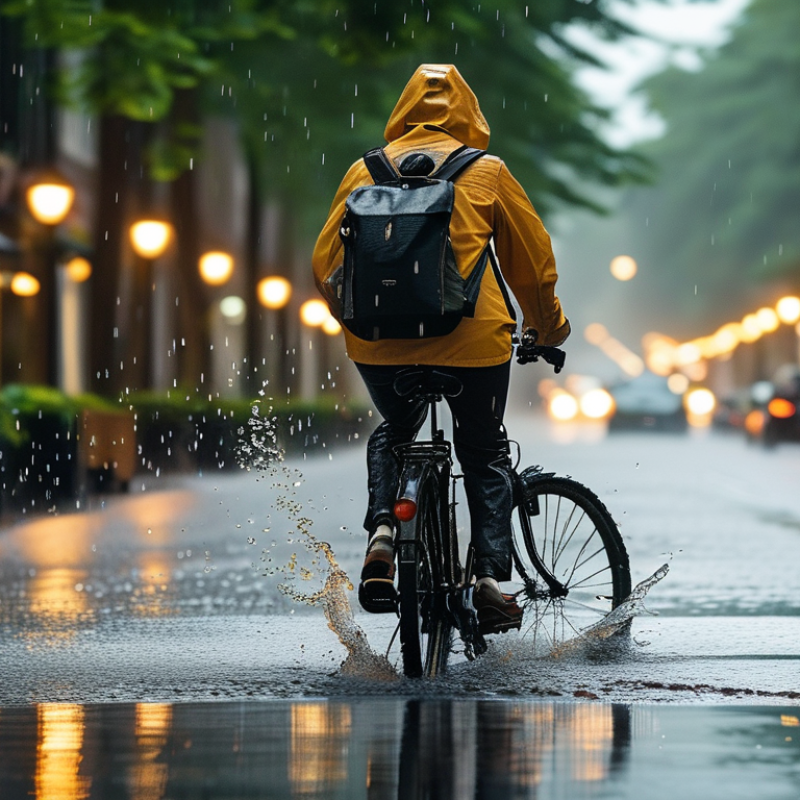
Importance of Staying Dry While Cycling in Heavy Rain
Cycling to work can be refreshing, but heavy rain poses unique challenges. Staying dry is crucial for your comfort and safety. Wet clothes can lead to chills, distract you, and decrease your overall focus. A focused mind is essential for navigating busy streets.
Wearing appropriate rain gear is key. Waterproof jackets and pants help keep you dry. Consider using fenders to protect yourself from splashes. A good pair of waterproof shoes can also make a big difference. It might not always be easy to find the right fit, though. Sometimes, trial and error is needed.
Drying your gear after the ride is just as important. Drying machines can be harsh, so air drying is better. Hanging clothes in a well-ventilated area helps maintain their shape and longevity. Weather can be unpredictable. Be prepared to adjust your commute as necessary. Reflect on past rides; what worked? What didn't? Each experience can help you improve your routine in future rainy conditions.
Impacts of Wet Conditions on Cyclist Comfort and Safety
Cycling in heavy rain can be a daunting task. Wet conditions can significantly compromise cyclist comfort. When you're soaked, it becomes difficult to focus on the road ahead. Water droplets in your eyes can blur your vision, making obstacles harder to see. Wet clothes cling to the body, causing discomfort that can distract from safe riding.
Safety is another major concern under such conditions. Wet roads can be slippery, increasing the risk of accidents. Bike brakes perform poorly when wet, leading to longer stopping distances. Puddles can conceal dangers like potholes, catching riders off guard. A good cyclist must be aware of the road conditions. Staying dry helps maintain focus and control during your ride.
Rethinking your approach to wet weather cycling is important. Are your strategies effective? Perhaps investing in high-visibility gear would help in rainy conditions. Reflect on your past experiences. What worked? What didn't? Making adjustments can enhance both comfort and safety, turning the challenge of cycling in rain into a manageable endeavor.
Health Risks Associated with Cycling in Heavy Rain
Cycling to work can be refreshing, but heavy rain changes the experience. Wet conditions pose several health risks. The first concern is hypothermia. Even in mild temperatures, prolonged exposure to rain can lead to a dangerous drop in body temperature. So, if you feel chilly and wet, it’s important to find shelter and warm up.
Another risk is a higher likelihood of accidents. Rain reduces visibility and makes surfaces slippery. Wet brakes can lead to longer stopping distances. This increases the chance of collisions with vehicles or obstacles. Wearing bright clothing can help improve visibility. Reflective gear is a good choice during heavy rain.
Staying dry is essential for your health when cycling. Proper rain gear, such as a waterproof jacket, keeps your body warm. It’s also wise to invest in fenders for your bike. They minimize water splatter and keep you drier. Dry feet matter too. Waterproof shoes can prevent discomfort and maintain your focus on the ride. Riding in the rain isn’t easy, and some days are tougher than others. Always assess your comfort level and prioritize safety. Listen to your body and don’t push on if conditions feel dangerous.
Why Staying Dry While Cycling to Work in Heavy Rain Matters? - Health Risks Associated with Cycling in Heavy Rain
| Risk Factor |
Description |
Prevention Tips |
| Hypothermia |
Exposure to cold, wet conditions can lower body temperature significantly. |
Wear water-resistant clothing and use thermal layers. |
| Increased Injury Risk |
Wet roads can reduce grip, leading to a higher chance of accidents. |
Choose appropriate tires and reduce speed in rainy conditions. |
| Reduced Visibility |
Heavy rain can obscure vision and make it difficult to see obstacles. |
Use bright, reflective gear and ensure working bike lights. |
| Skin Irritation |
Prolonged exposure to wet conditions can cause chafing and rashes. |
Wear moisture-wicking materials and change out of wet clothes quickly. |
| Electrocution Risk |
Rain increases the risk of electrocution from downed power lines. |
Avoid cycling during severe storms and stay informed about weather warnings. |
Essential Gear and Techniques for Staying Dry on the Road
Cycling to work in heavy rain can be a challenge. Staying dry is crucial for comfort and safety. Proper gear makes a significant difference. A well-fitted waterproof jacket is essential. Look for breathable materials that prevent overheating. Waterproof trousers can also keep you dry. They should fit well and allow easy movement while pedaling. In addition, consider waterproof gloves. Cold, wet hands can make cycling difficult.
Choosing the right accessories is equally important. A good quality rain cover for your backpack helps protect your belongings. Ensure your shoes are waterproof, too. Consider investing in waterproof shoe covers. They keep your feet dry and warm. Visibility is vital in the rain. Use bright lights and reflective gear to stay safe on the road.
It's important to reassess your route during heavy rain. Some roads may become slippery or flooded. Be aware of potholes and other hazards that may not be visible. Riding in the rain can be risky, but with the right approach, it's manageable. Sometimes, even the best gear can't keep you completely dry. Embrace the experience, even if it gets messy. Each ride in the rain teaches you more about your limits and resilience.
Maintenance Tips for Bicycles in Wet Weather Conditions
Cycling to work in heavy rain presents unique challenges, especially when it comes to maintaining your bicycle. Water can infiltrate essential components, causing rust and deterioration. Regular maintenance is crucial for keeping your bike in good condition.
Check the brakes frequently. Wet weather can reduce their effectiveness. Ensure the brake pads are in good shape. Worn pads can lead to dangerous situations. Clean and dry the brake surfaces after each ride. This simple habit improves performance.
Lubrication plays a vital role in wet weather. Water can wash away essential oils from the chain. Use a suitable lubricant that repels moisture. Apply it after every ride in the rain. This action helps in preventing rust and improves shifting quality.
Tires also deserve attention. Wet roads can increase the risk of flats. Inspect them for cuts or signs of wear. Ensure they are adequately inflated. Proper inflation enhances traction. Riding with the right tire pressure is essential for safety in challenging conditions.
FAQS
: Staying dry improves comfort and safety. Wet clothes can cause chills and distractions, affecting focus on the road.
A waterproof jacket and pants are essential. Waterproof shoes also help. Experimenting with different styles might be needed.
Using fenders can help prevent water from splashing onto you. They reduce the mess and increase comfort on wet rides.
Air dry your clothes in a ventilated space. Avoid drying machines as they can damage your gear and alter shapes.
Wet roads become slippery, raising accident risks. Poor bike brakes can increase stopping distances, making control harder.
Keep your eyes clear by altering your speed and position. Using eyewear can also help improve visibility in the rain.
Yes, be ready to adapt your route. Reflect on past rides to identify effective strategies and enhance your safety.
Reflection helps identify what worked and what didn’t. Learning from past experiences can improve future performance and comfort.
Investing in high-visibility gear can greatly enhance your visibility to others. It's a practical choice for safety in low visibility.
Staying dry is key. Keep your gear ready, and remain aware of surroundings to improve focus and control on wet rides.
Conclusion
Staying dry while cycling to work in heavy rain is crucial for both comfort and safety. Wet conditions can lead to decreased visibility, increased fatigue, and heightened risks of accidents, making it essential for cyclists to prioritize staying dry. Additionally, exposure to rain can pose health risks such as hypothermia or respiratory issues, further underscoring the importance of effective rain protection.
To combat these challenges, cyclists should invest in essential gear such as waterproof clothing, fenders, and proper bike maintenance techniques to ensure their bicycles function optimally in wet weather. Understanding how to stay dry while cycling to work in heavy rain involves using appropriate gear and utilizing strategies like route planning to minimize exposure to harsh conditions. By equipping themselves with the right tools and knowledge, cyclists can safely navigate their commutes, even in the heaviest downpours.

 Jennie Fashion