China Top 10 Recycled Workwear How Does It Perform?

Time:2026-09-27 Author:Amelia
0%

Recycled workwear is often presented as an easy win: less reliance on virgin materials, with clothing built for demanding jobs. But a recycled label alone says little about comfort, durability, or performance. A jacket can look sturdy on a product page and still feel stiff at the shoulders after a long shift. Details matter.

This guide examines ten recycled workwear options through practical questions: What fibers are used? How does the fabric handle abrasion, repeated washing, and everyday movement? Are seams reinforced, pockets useful, and fits comfortable over base layers? We also ask, how does recycled polyester perform in heavy-duty workwear, where garments may face friction, dirt, and frequent laundering? The answer depends on fabric construction, garment design, and care—not just the fiber’s recycled content. Recycled polyester can be durable and quick-drying, but it may not suit every task or wearer.

No single garment performs perfectly in every workplace. A lightweight recycled shell may work well outdoors in mild weather, yet offer too little protection for rough handling. A heavier blend may last longer but feel warm during active shifts. These trade-offs are easy to overlook. We compare available product information and practical design features, while noting where performance claims need real-world testing. Use the rankings as a starting point, not a guarantee. Your climate, job, washing routine, and fit preferences can change the result. That is worth admitting.
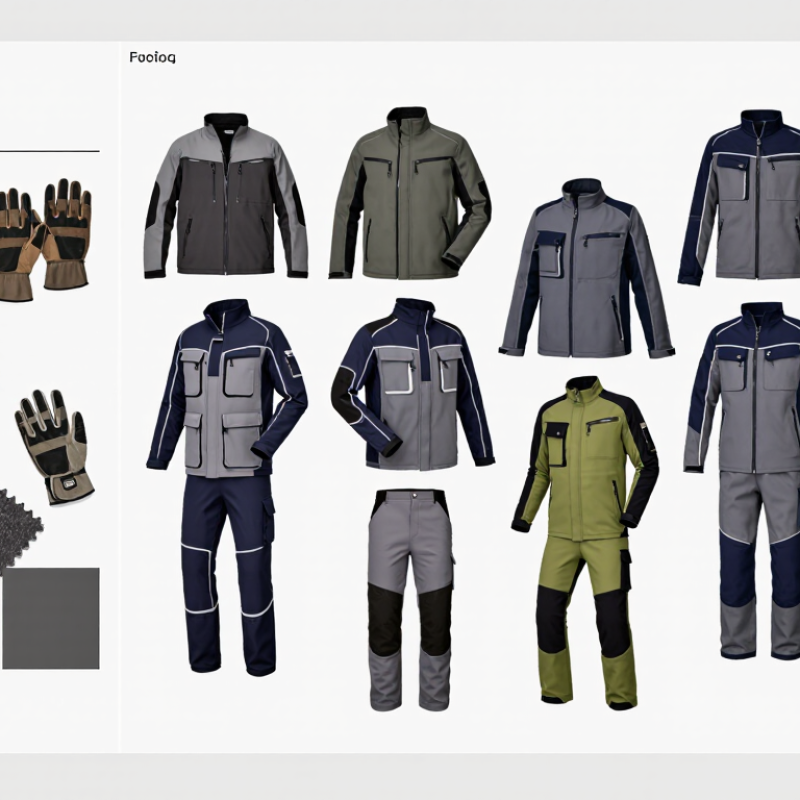
China Top 10 Recycled Workwear How Does It Perform?

What Recycled Workwear Is and How It Is Made in China

Recycled workwear is made by replacing some virgin fiber with recovered material, most often recycled polyester. In Chinese textile supply chains, this can begin with used PET bottles or factory fabric scraps. Materials are sorted, cleaned, chipped, and melted into flakes; the flakes are spun into yarn, then knitted or woven into cloth. Some garments combine recycled polyester with cotton for comfort and moisture handling. The blend matters.

Textile Exchange’s Materials Market Report 2023 estimated that global fiber production reached 116 million tonnes in 2022, while recycled fibers accounted for 7.9 percent. It also reported that recycled polyester made up 14.7 percent of polyester production, with about 98 percent sourced from bottles. These figures show why feedstock traceability matters: “recycled” can describe very different inputs. During production, fabric is dyed, cut, and sewn into trousers, jackets, or high-visibility garments. Factories may test abrasion resistance, seam strength, shrinkage, and colorfastness against buyer specifications. A recycled label alone does not prove long service life. Nor does recycled content remove impacts from dyeing, finishing, or transport. Teams should check test results and material records, not just the hangtag. One weakness remains: mixed-fiber garments can be harder to recycle again.

How China’s Top 10 Recycled Workwear Options Are Compared

Comparing China’s ten recycled workwear options means looking beyond the recycled-content label. Fabric blends can include recycled polyester, recycled cotton, or both, and each behaves differently. Polyester-rich cloth often dries quickly, while cotton-rich fabric may feel softer but hold moisture longer. Check the fabric weight, weave, and stated fiber content before comparing prices. Labels alone tell only part of the story.

Performance becomes clearer under the same working conditions. Wear each sample through a shift, then inspect high-friction areas such as knees, elbows, and pocket edges. Look for pilling, seam strain, fading, and changes in fit after repeated washing. Small details matter. A sturdy zipper is useful, but uncomfortable seams can make a garment impractical. For fair comparisons, use matching wash settings and record results over several cycles.

The best choice depends on the job, not a single score. A lightweight option may suit warm indoor work, while a denser fabric may better handle rough surfaces. Ask suppliers for test methods and traceable material information, then verify claims against sample garments where possible. Results can vary by cut and finish. I would not treat one short wear test as proof of long-term durability; that is an easy mistake to make.

How Recycled Workwear Performs in Durability and Comfort

Recycled workwear can be durable, but the recycled label alone does not predict how long a garment will last. Performance depends on fiber quality, fabric weight, seam construction, and the demands of the job. A dense weave may resist abrasion from tool belts, while reinforced knees can help trousers withstand repeated kneeling. Check stress points such as pocket corners and seat seams. They often show wear early.

Comfort depends on more than softness. Breathable fabric helps during active shifts, while a flexible weave makes reaching and bending easier. On a warm day, a heavy jacket may feel restrictive; in a cool warehouse, that same weight can be useful. Fit matters, too. Sleeves that pull when arms rise can become irritating over a full shift. Small details count.

A practical evaluation should include movement, laundering, and wear in the intended work setting. Wash garments according to care instructions, then check for shrinkage, roughness, loose stitching, and changes in fit. Recycled fibers can vary between fabric blends, so comfort may not feel identical across garments. That’s worth noting. A fabric that feels comfortable in a fitting room may behave differently after repeated washing, and durability claims should be considered alongside construction details and actual use.

How Safety, Maintenance, and Environmental Impact Differ

China’s top 10 recycled workwear options can perform well, but safety must come before recycled content. In daily use, durable fabric, secure seams, and accurate sizing matter most. A jacket may contain recycled polyester yet fail if its reflective strips peel after repeated washing. High-visibility clothing must remain bright, while flame-resistant garments need task-specific testing. Recycled materials do not automatically provide protection.

Maintenance affects both performance and environmental impact. Follow the washing temperature carefully. Harsh bleach can weaken fibers and damage reflective details. Inspect cuffs, knees, zippers, and stitching after demanding shifts. Small repairs may extend garment life, although some damaged protective clothing should be replaced. Mixed fabrics can be difficult to recycle later. This is an uncomfortable limitation. A durable garment that lasts three years may create less waste than a “greener” garment replaced every season.

Tips: Check test documentation before purchasing. Match each garment to its workplace hazard. Wash only when necessary, and avoid overloaded machines. Air drying can reduce energy use. Keep contaminated workwear separate from ordinary clothing. Ask suppliers about fiber content, repair support, and end-of-life collection. These details reveal whether environmental claims are practical or merely attractive wording. In my experience, the best choice balances verified protection, simple maintenance, and long service life. Perfection is unlikely. Careful comparison is essential.

China Top 10 Recycled Workwear: How Does It Perform?

Safety, maintenance, and environmental impact compared

Indicative comparative life-cycle assessment ranges for recycled PET versus virgin PET, shown as an index (virgin PET = 100). Reported results vary with feedstock, manufacturing energy, and assessment method; these figures are not a test of finished workwear. Recycled content does not itself determine PPE safety: garments must meet the relevant safety standard. Follow the garment’s care label, since wash durability depends on its construction and certified performance.

How to Choose Recycled Workwear for Specific Jobs

China Top 10 Recycled Workwear: How Does It Perform?

Choose recycled workwear by the hazards and movements of the job, not by its recycled content alone. For warehouse teams, check abrasion resistance, reinforced knees, and seams that tolerate repeated bending. Outdoor crews need weather protection, breathable panels, and colors that remain visible in poor light. In hot workshops, lighter fabric may help, but it can wear faster at stress points. Fit matters too: a stiff jacket can catch on equipment or restrict reaching. Small details count.

Textile Exchange’s Materials Market Report 2024 estimates that global fiber production reached 124 million tonnes in 2023. Recycled polyester made up 12.5% of polyester production, with much of it sourced from bottles rather than discarded textiles. That figure describes material supply, not garment durability.

Ask suppliers for fabric composition, test results, and care instructions. Then trial garments during real shifts; a sample that feels sturdy at a desk may disappoint after weeks of kneeling and washing. There is no perfect fabric for every job.

Tips: Match fabric weight and reinforcement to daily tasks. Check snagging, seam strength, wash performance, and wearer comfort. Keep one garment for a short trial. It may reveal flaws you missed.

FAQS

What is recycled workwear made from?

It often replaces some virgin fiber with recycled polyester. Sources can include used plastic bottles or factory fabric scraps.

How is recycled polyester turned into clothing?

Materials are sorted, cleaned, and chipped. The flakes are melted, spun into yarn, then knitted or woven into fabric. Simple, but not impact-free.

Does recycled content prove a garment is durable?

No. Check abrasion, seam strength, shrinkage, and colorfastness test results. A recycled label cannot show how well knees or cuffs will last.

What should warehouse workers look for?

Choose reinforced knees, abrasion-resistant fabric, and seams that handle repeated bending. Try squatting and reaching in the actual garment.

What matters for outdoor workwear?

Look for weather protection, breathable panels, and colors that remain visible in poor light. Reflective details should stay attached after washing.

Does recycled fabric provide safety protection automatically?

No. Match each garment to workplace hazards and check relevant test documentation. Recycled content alone does not make clothing high-visibility or flame-resistant.

How can workers maintain recycled workwear?

Follow the stated wash temperature and avoid harsh bleach. Inspect zippers, stitching, cuffs, and knees after demanding shifts. Small repairs may help.

Can recycled workwear be recycled again?

Sometimes, but mixed-fiber garments can be difficult to process. That limitation is easy to overlook.

How can buyers test a garment before ordering many?

Trial one during real shifts. Check comfort, snagging, washing, and movement over several weeks. A desk test may miss problems.

Conclusion

China’s recycled workwear options turn used materials, especially plastic bottles and discarded textiles, into fibers that can be woven or blended into practical fabrics. Comparing the top ten options means looking beyond recycled content to fabric weight, construction, fit, stretch, breathability, and suitability for different tasks. Performance varies: reinforced stitching and abrasion-resistant panels can improve service life, while thoughtful cuts and moisture management help workers stay comfortable through long shifts. A key question is how does recycled polyester perform in heavy-duty workwear? Its strength and quick-drying properties can make it useful, though durability depends on fabric design, finishing, and garment construction.

Safety, care, and environmental impact also matter. Workwear should provide the visibility, protection, and task-specific features required for the job; recycled content alone does not guarantee safety. Following care instructions can help preserve performance and extend garment life, reducing the need for frequent replacement. To choose well, match the fabric and protective features to the work environment, consider comfort across a full shift, and compare recycled content alongside expected durability and maintenance needs.

Amelia

Amelia

Amelia is a seasoned marketing professional with a wealth of expertise in our company’s core offerings. With an unwavering passion for driving growth and innovation, she plays a pivotal role in shaping our marketing strategies and enhancing brand visibility. A key aspect of her responsibilities......