Jennie Fashion
Transforming Insulation Technology: CE Certified Fleece-Lined Blanket Manufacturing
Within high-performance industrial textile engineering, CE certified fleece-lined blankets and specialized thermal insulation linings have evolved from basic consumer products to safety-critical equipment. Modern commercial operations demand thermal systems that offer precise thermodynamic regulation, structural integrity, and strict safety standard compliance.
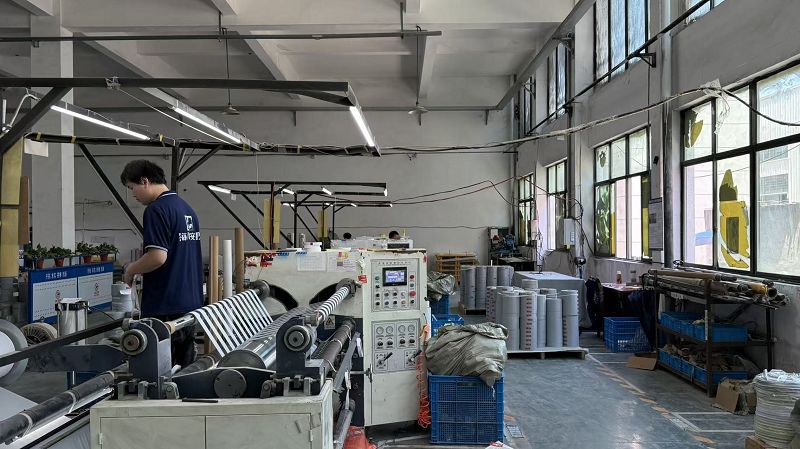
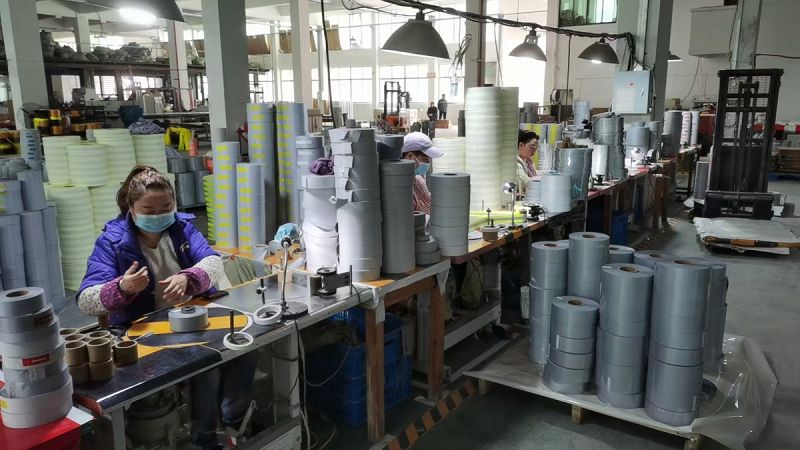
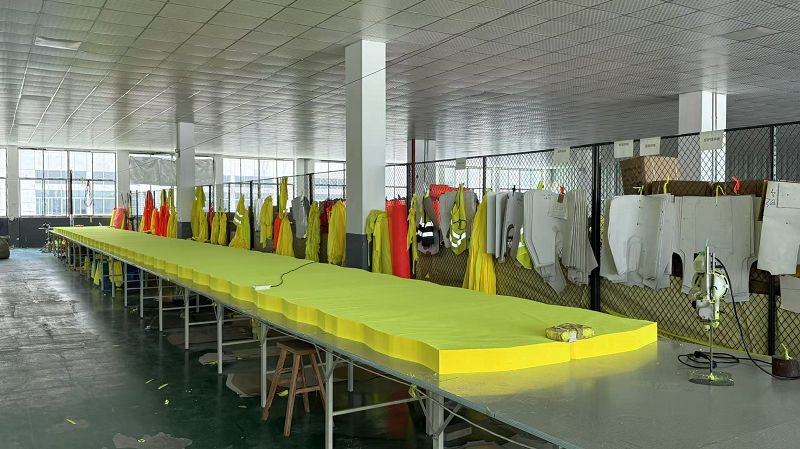
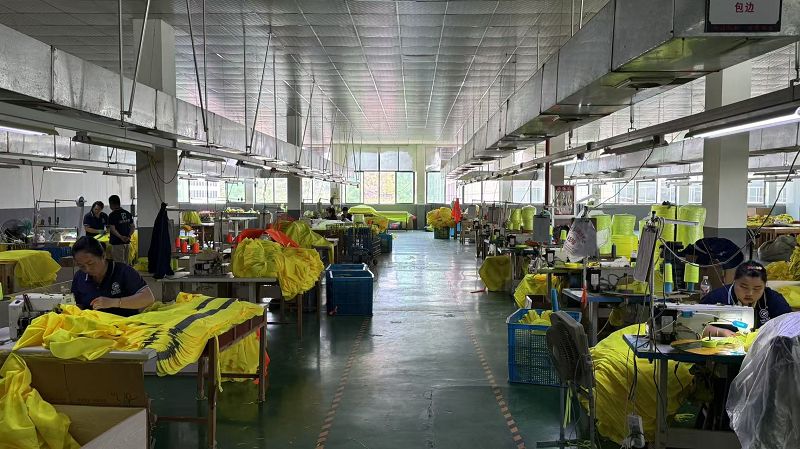
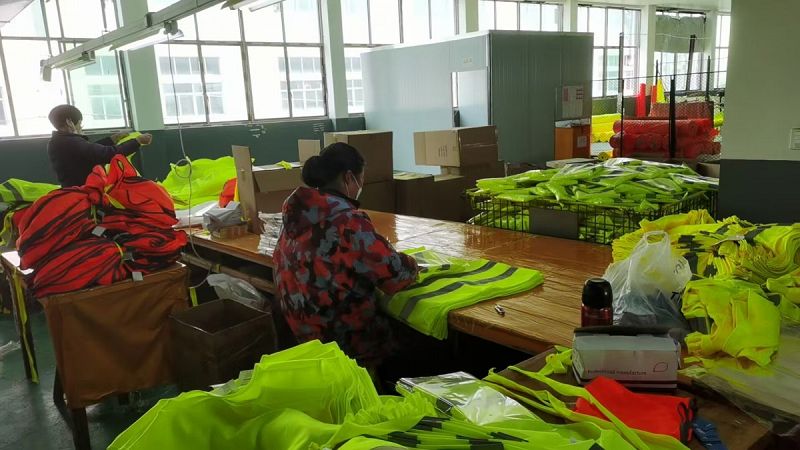
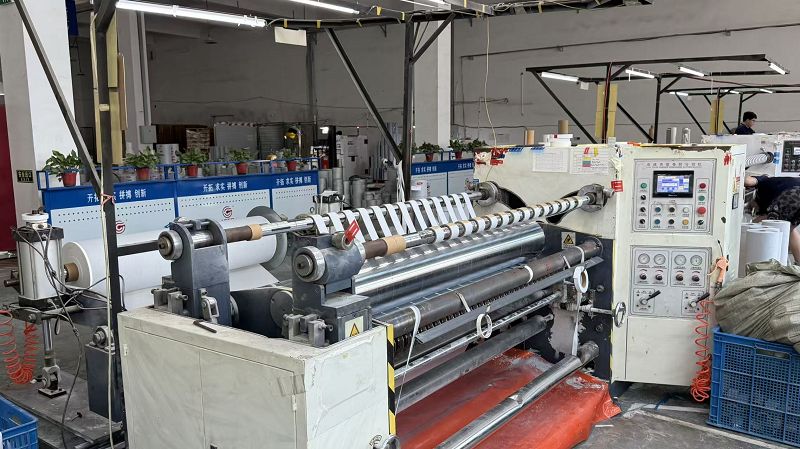
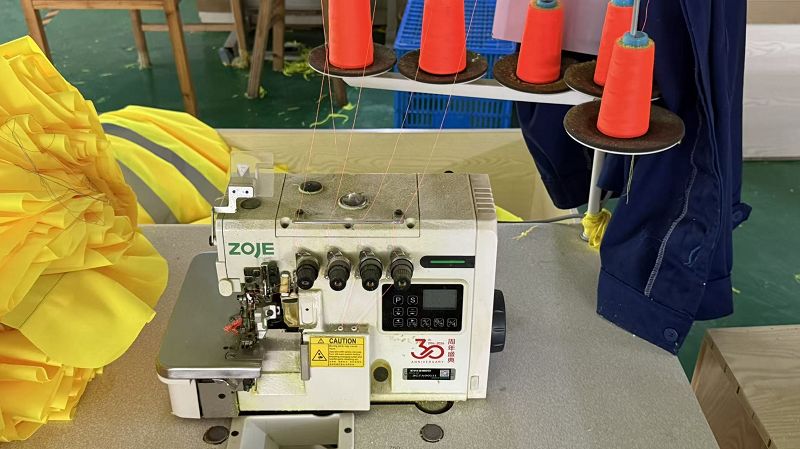
As a leading pioneer in this domain, Fuzhou Jennie Fashion Co., Ltd. spearheads the design and large-scale manufacturing of technical thermal garments, advanced insulated barriers, and high-performance weather-defense textiles. By integrating state-of-the-art aluminum vapor deposition (aluminizing), flame-retardant composite laminations, and premium high-loft polar fleece engineering, we supply international markets with robust, CE-marked thermal products designed for the most demanding environments.
"True thermal efficiency is measured by the thermodynamic equilibrium between heat retention, moisture management, and physical barrier resilience. Our manufacturing roadmap leverages micro-perforated multi-layered composite membranes with ultra-dense fleece backings, establishing a new global benchmark for industrial thermal solutions."
Technological Roadmap: The Material Science of Fleece-Lined Composites
The engineering of high-performance fleece-lined blankets and thermal linings requires a precise molecular and structural approach. The base material consists of premium hydrophobic 100% polyester fleece fibers designed with a high micro-void ratio. These micro-voids trap static air, creating an insulating boundary layer that effectively prevents heat transfer via convection.
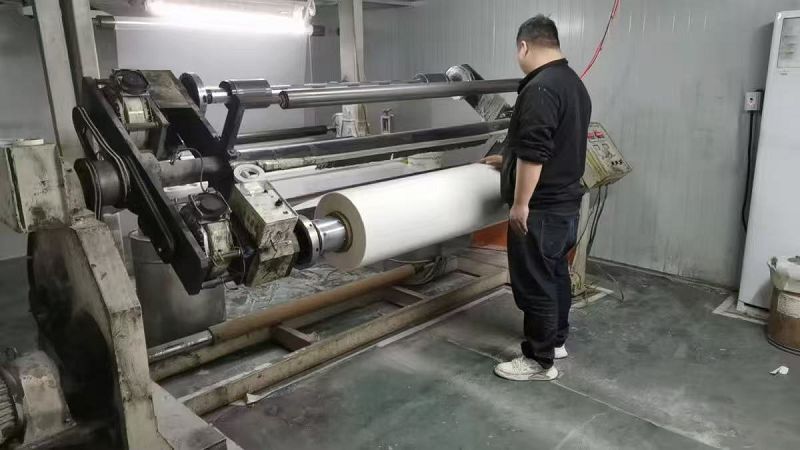
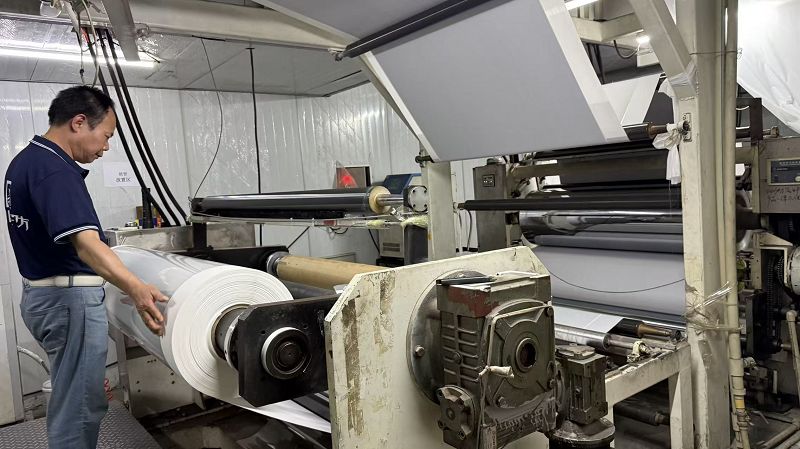
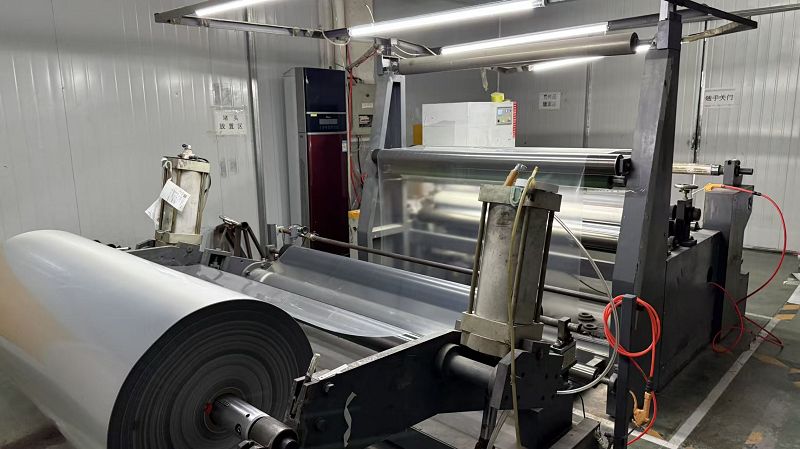
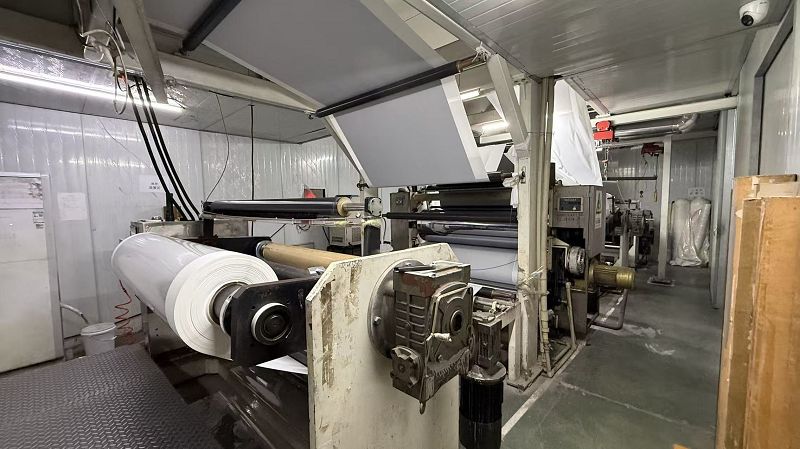
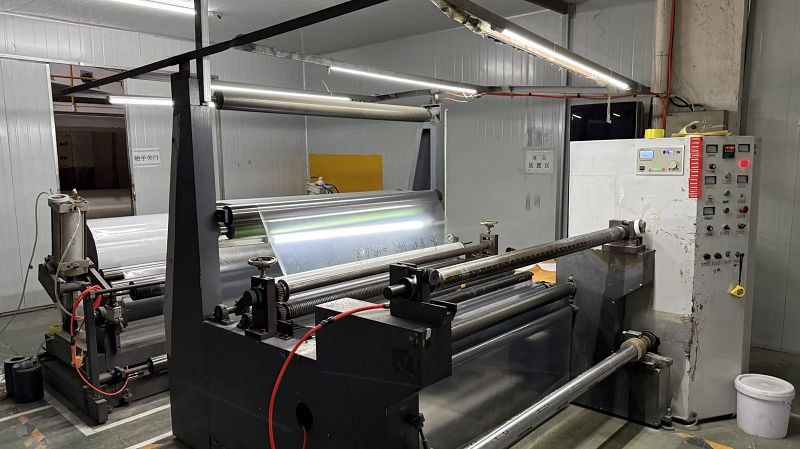
For enhanced safety and industrial-grade applications, the fleece is structurally bonded to secondary functional layers using advanced roll-to-roll heat recombination and coating systems:
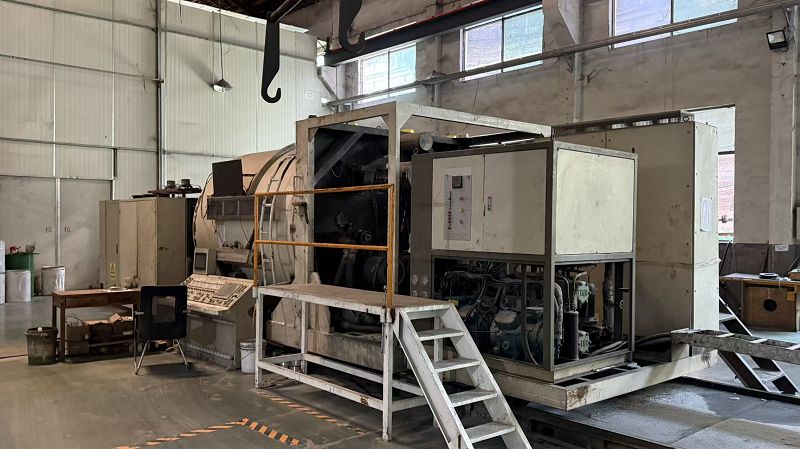
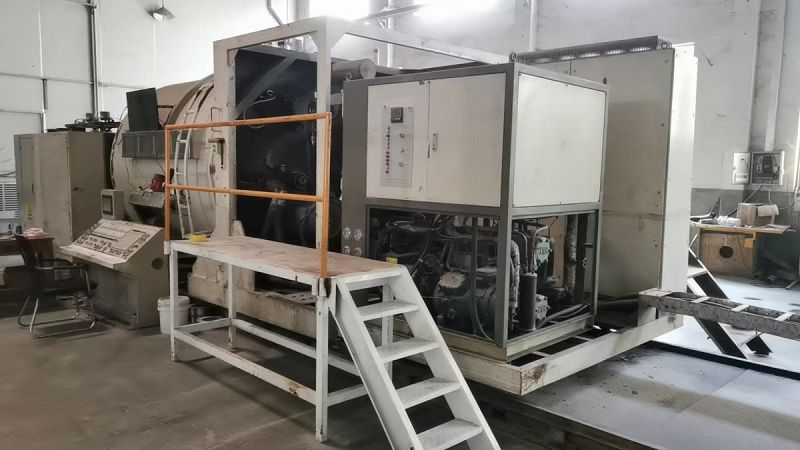
- Thermal-Reflective Aluminizing: Utilizing vaporized aluminum deposition, a micro-thin, highly reflective metalized layer is applied to the core textile membrane. This layer reflects up to 90% of radiant body heat back to the user, drastically boosting thermal efficiency without increasing weight or bulk.
- TPU Compounding and Recombination: A thermoplastic polyurethane (TPU) membrane is integrated between the face fabric and the fleece lining. This microporous membrane features pore sizes smaller than water droplets but larger than water vapor molecules, ensuring windproof, waterproof protection (exceeding 10,000mm hydrostatic head) while maintaining excellent breathability (above 5,000g/m²/24h).
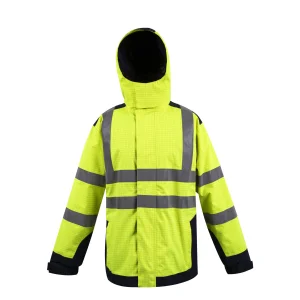
- Anti-Static & Flame-Retardant Treatments: Carbon-conductive yarn is woven into the fleece structure, and non-halogenated flame-retardant chemistry is introduced during the dyeing process, ensuring compliance with EN 531 and EN 533 safety regulations.
Global Business & Industrial Demand
Worldwide demand for high-end thermal textiles has spiked across key commercial sectors. In North America and Northern Europe, cold chain logistics, automated warehousing, offshore wind operations, and emergency rescue services rely heavily on high-durability thermal gear. Rather than relying on simple consumer blankets, modern supply chain procurement managers actively specify CE certified fleece-lined insulation systems to ensure both workplace safety compliance and thermal longevity under extreme conditions.