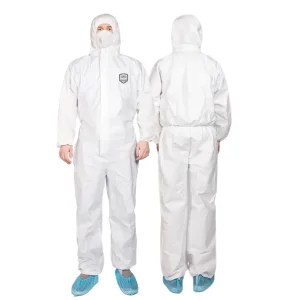
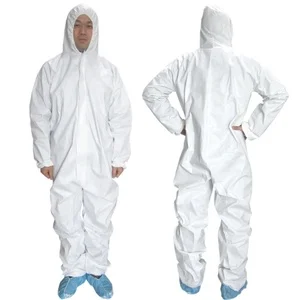
Engineered for high mechanical loads, extreme weather resistance, and professional-grade durability in demanding field operations.
A comprehensive analysis of polymer engineering, high-tensile structures, and protective matrices designed by Fuzhou Jennie Fashion Co., Ltd.
Manufacturing excellence is anchored in high-precision machinery. The transition of Chinese manufacturing to Industry 4.0 is not merely about automation, but the horizontal integration of real-time inspection, precise chemical application, and structural reinforcement systems. Fuzhou Jennie Fashion Co., Ltd. controls the processing chain from polymer formulation to finished product, guaranteeing that every piece of safety clothing, industrial canvas, and structural cordage matches strict European regulations and ASTM testing metrics.
Our facility deploys advanced material lines that directly elevate the durability of heavy-duty materials. Our structural processing capabilities include:
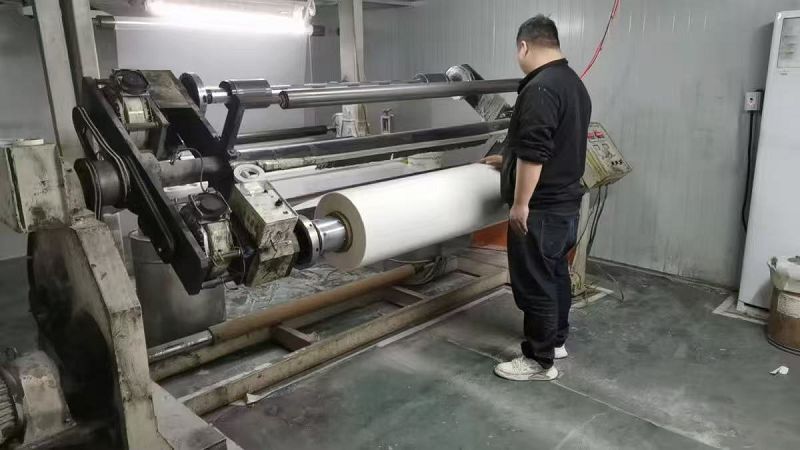
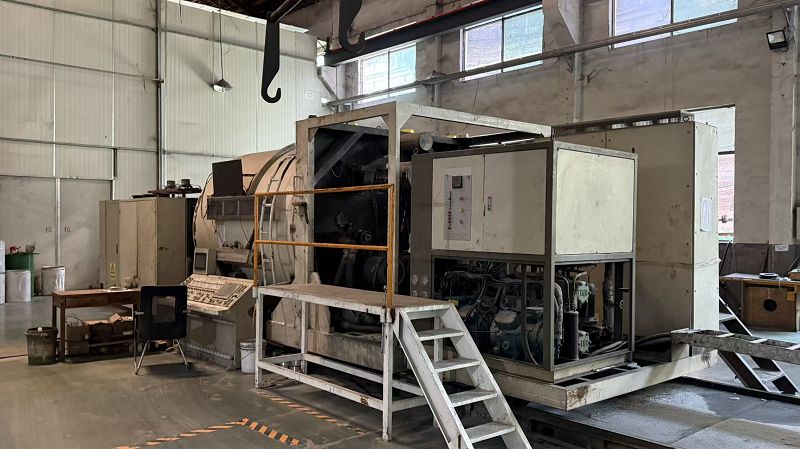
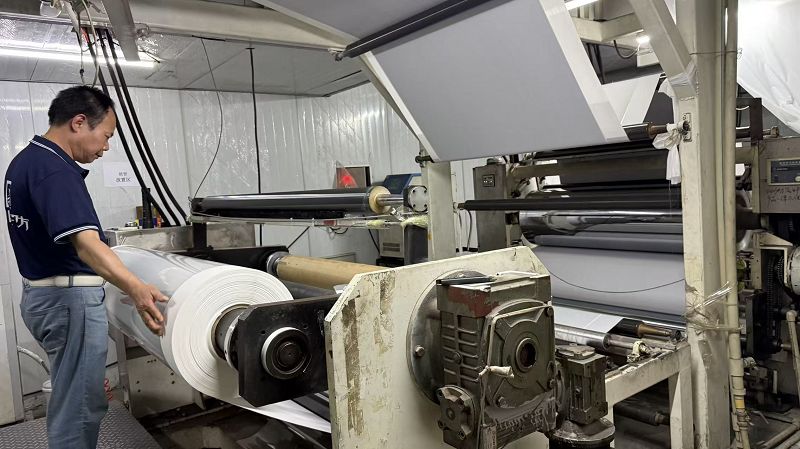
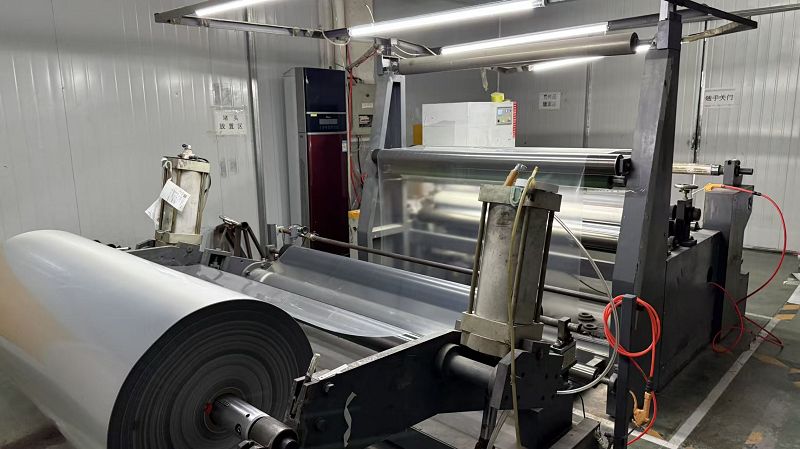
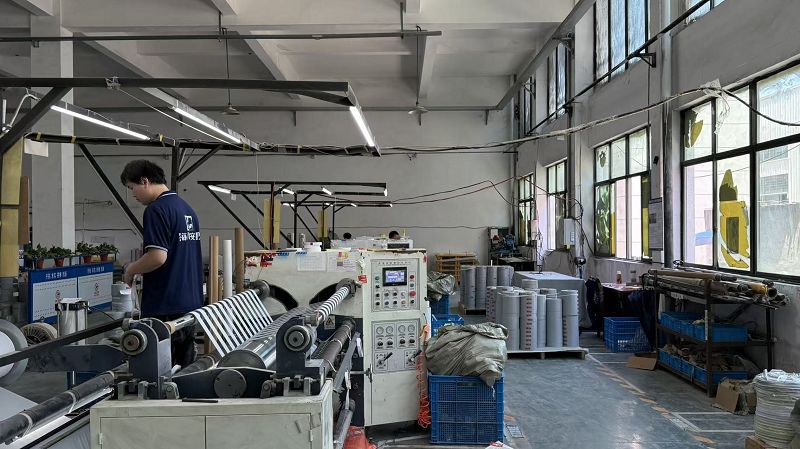
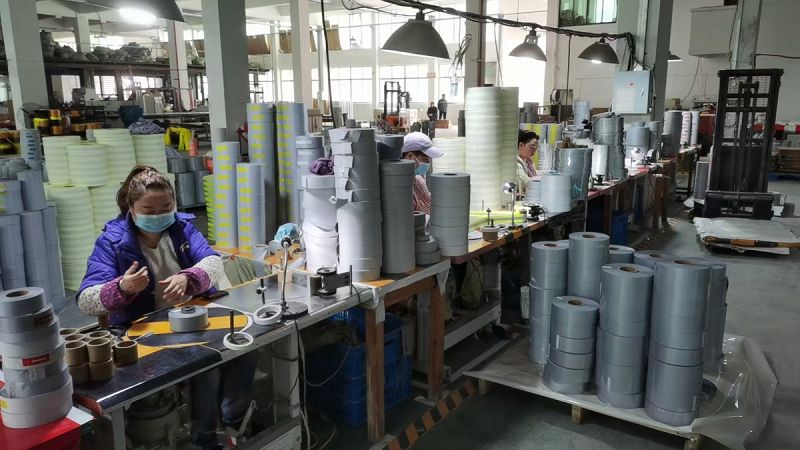
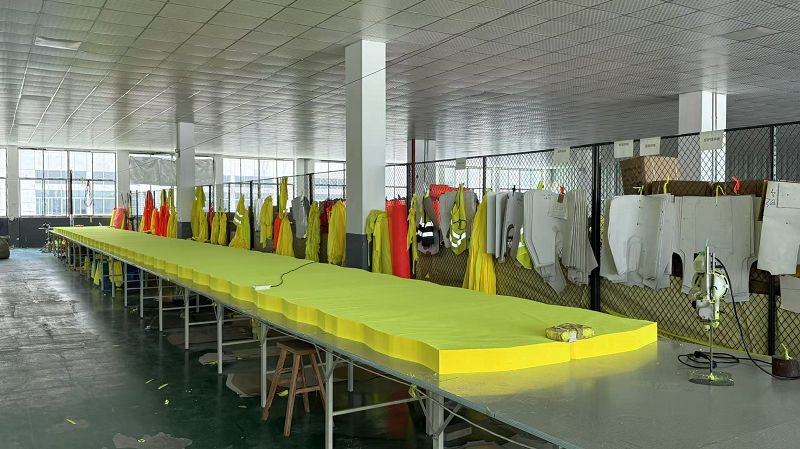
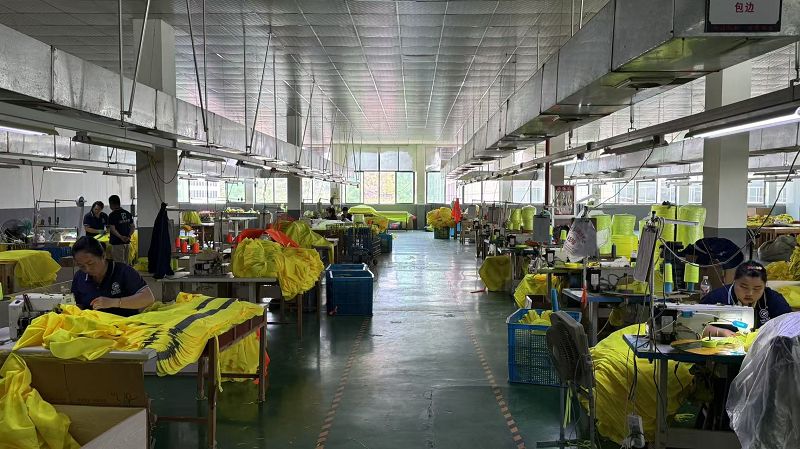
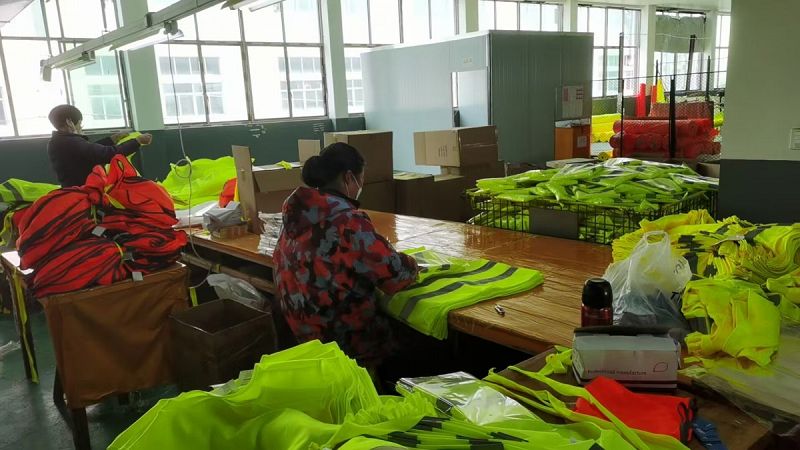
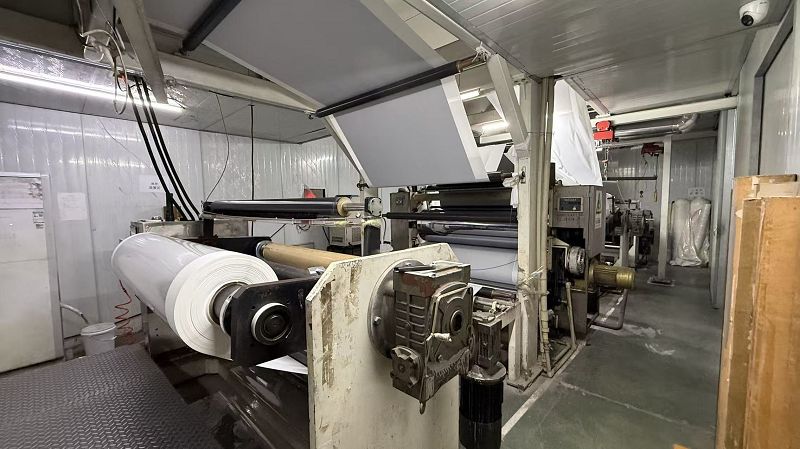
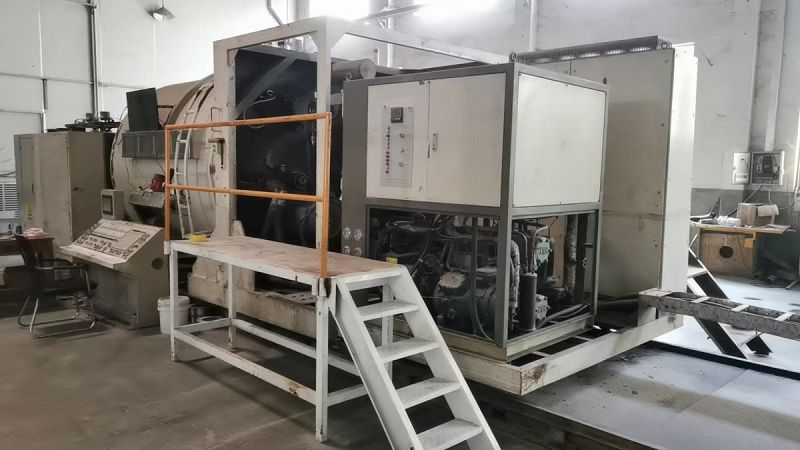
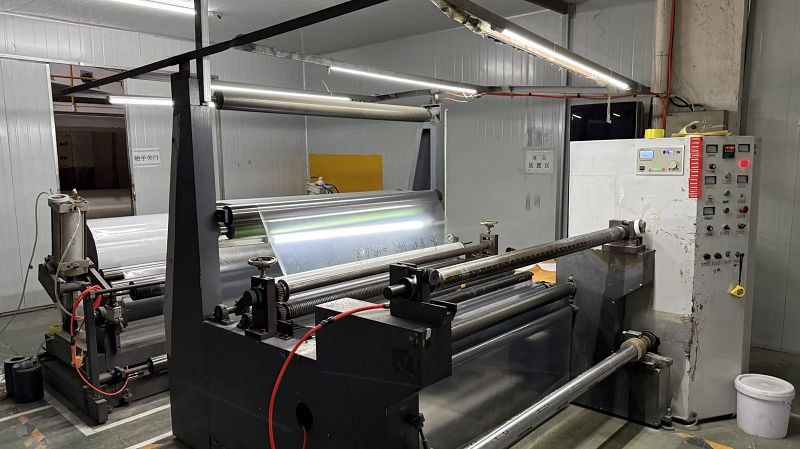
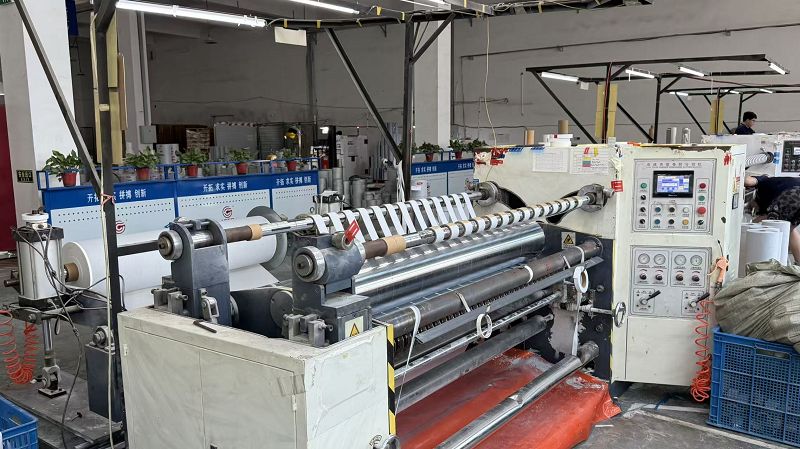
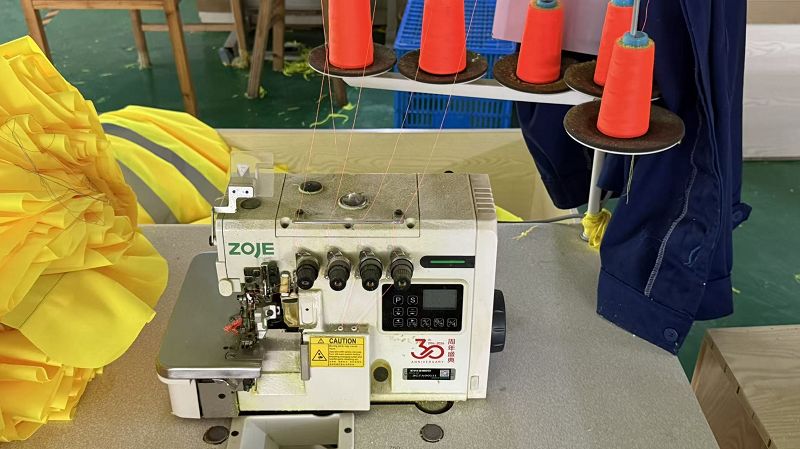
The physical constraints of high-tensile application require specialized polymer materials. Depending on target use cases—such as marine mooring, construction crane operations, wind energy maintenance, or heavy-duty rescue operations—different fiber blends must be chosen.
By utilizing our Coating Compounding Machine and Aluminum Plating Machine, we create composite barriers that increase the lifespan of underlying load-bearing structures. For outdoor garments and high-load safety ropes alike, this technology mitigates the main degradation mechanisms:
Heavy-duty cordage and apparel must be matched to their operational environments. General industrial specifications fall short in extreme scenarios:
1. Marine and Maritime Logistics: Exposure to saltwater requires synthetic fibers resistant to rot and degradation. Welded seam tech and advanced PU coatings ensure operators stay dry while maintaining safe grip.
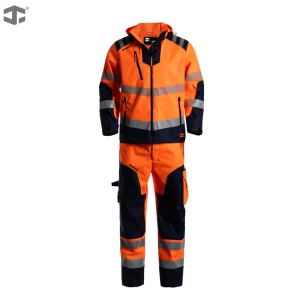
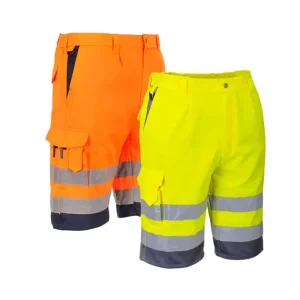
2. Wind Energy Maintenance & Safety Rigging: Technicians working on offshore wind structures require safety wear that balances high-visibility (EN ISO 20471) with absolute abrasion resistance. Materials must not degrade when in contact with grease, oils, or sea spray.
3. Construction & Heavy Rigging Operations: High abrasion resistance and mechanical reliability are paramount. Our advanced multi-needle overlock stitching machines and recombination lines reinforce critical wear points.
As global carbon goals tighten and automation rises, Fuzhou Jennie Fashion Co., Ltd. is focusing on three key technology directions:
Sourcing from China requires complete supply chain visibility and compliance assurance. We offer custom manufacturing under local regulations, ensuring smooth custom clearances and safety compliance. We provide full traceability for raw materials, rigorous stress test reporting, and third-party certifications.
Engineered to ensure complete safety, environmental containment, and durability across specialized operations.
Common questions answered by Fuzhou Jennie Fashion Co., Ltd.'s technical team to help guide your procurement strategy.
Our industrial protective apparel and technical wear conform to EN ISO 20471 (High Visibility), EN 343 (Waterproof Protection), EN 531, and EN 533 (Heat/Flame Protection). In addition, our high-performance polymers undergo tensile strength and UV exposure tests to verify durability under mechanical loads.
We use specialized Coating Compounding and Aluminum Plating machines to apply metallic and polymer layers to raw substrates. This process adds a reflective barrier that resists heat, prevents water infiltration, and protects the core fibers from friction.
Lead times depend on the level of customization required. Typically, design verification and prototyping take 7–14 days. Full-scale production on our automated lines (Rolling, Cutting, Sewing, and Packaging) is completed within 30–45 days. We provide batch testing reports before final shipment.
By operating fully integrated production lines—from raw compound preparation to final inspection—we avoid dependence on external processing. This configuration helps insulate production schedules from localized logistics disruptions and raw material delays.
 Jennie Fashion