Explore our integrated manufacturing capabilities across heavy-duty gear, protective textiles, and advanced weatherproof coatings.
In the contemporary landscape of global logistics, urban food distribution, and cold-chain compliance, the demand for high-efficiency thermal insulated lunch bags has experienced a qualitative evolution. No longer treated as basic lifestyle accessories, these products are now evaluated as critical components of micro-thermal barrier systems. As a premier manufacturer rooted in China's advanced industrial manufacturing centers, Fuzhou Jennie Fashion Co., Ltd. has scaled production processes to meet these exacting specifications. We leverage decades of material science innovations in high-performance functional textiles and laminates to serve global OEM/ODM distributors, industrial work environments, and international food delivery giants.
“The performance boundary of a thermal barrier system is dictated not by its thickest insulation layer, but by the composite interface efficiency and structural hermeticity of its closure systems. The migration of high-altitude outdoor textile technologies to cold-chain carriers represents the new paradigm of micro-thermal control.”
The global market for commercial-grade insulated transport solutions is governed by changing consumer delivery preferences, strict food safety mandates (such as FDA Food Code requirements and European EFSA regulations), and a collective drive toward plastic-free, circular materials. Traditional rigid polystyrene (EPS) boxes are being rapidly phased out due to environmental liabilities and high warehousing footprints. Lightweight, collapsable, and highly durable multi-layer thermal insulated lunch bags have emerged as the dominant industrial standard.
From workwear environments in cold mining zones to long-distance urban food corridors, bulk purchasers require customized insulation configurations. Fuzhou Jennie Fashion utilizes its specialized functional manufacturing facility to develop fabric systems that resist tearing under heavy loads, inhibit microbial growth via non-porous heat-sealed interiors, and control thermal transfer pathways (conduction, convection, and radiation) to maximize thermal containment duration.
To deliver competitive Information Gain to sourcing teams, we disclose the technical layering framework engineered by our R&D division to achieve up to 12 hours of temperature regulation:
| Layer Profile | Material Composition | Thermal & Mechanical Performance Metric |
|---|---|---|
| 1. Exterior Shield | High-density 1680D Polyester / Ripstop Nylon + PU Coating | Abrasion resistant (>20,000 rubs), water-repellent (hydrostatic head >5000mm) |
| 2. Elastic Buffer | Closed-cell Polyethylene Foam (EPE) / NBR Foam (4mm to 8mm) | Low thermal conductivity (λ ≈ 0.034 W/m·K), structural memory and shock absorption |
| 3. Reflective Core | Vaporized Aluminum Plating (PET Carrier Film) | Reflects up to 97% of radiant heat transfer back into the cargo envelope |
| 4. Structural Binder | TPU / PE Hot-Melt Adhesive Recombination | Delamination-free performance under wash cycle mechanical agitation |
| 5. Food-Contact Lining | High-thickness, food-grade PEVA (BPA-free, Lead-free) | Leakproof high-frequency welded seams, easy-to-sanitize surface finish |
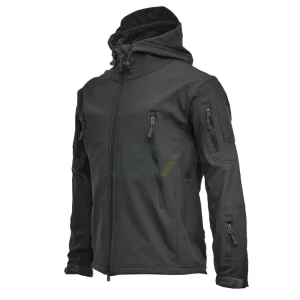
Our integration of outdoor sports textile principles into thermal bags allows us to optimize performance. For instance, we employ the same TPU membrane systems from our highly regarded Softshell Apparel Series to ensure that the exterior fabric of our premium lunch bags remains windproof and water-resistant while protecting the inner insulation core from moisture infiltration, which degrades thermal performance.
Fuzhou Jennie Fashion operates a fully vertical production layout, ensuring strict quality control from raw pellet selection to sewn-assembly inspection. Leveraging our decades of outdoor technical jacket manufacturing experience, we operate modern automated machinery to compound, coat, laminate, and shape heavy-gauge materials. This manufacturing foundation allows us to maintain consistent thickness and adhesion limits across production runs, minimizing structural failures in the field.
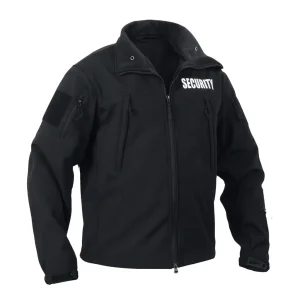
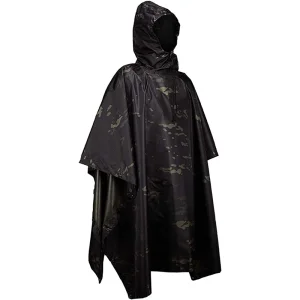
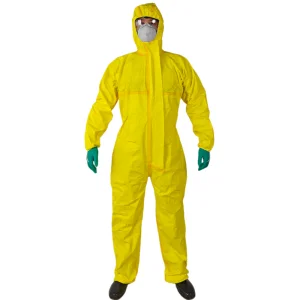
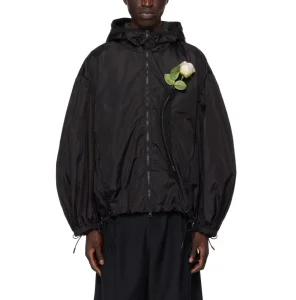
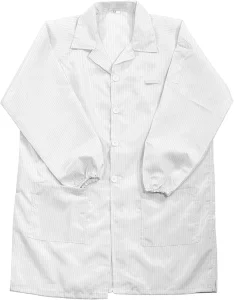
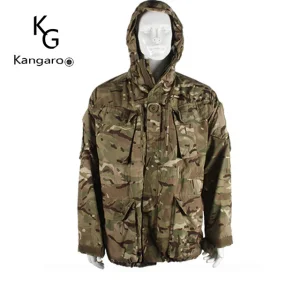
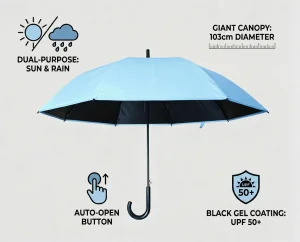
Below is an overview of our operational infrastructure, demonstrating the processing stages that ensure raw materials are converted into high-performance thermal barriers and protective garments:
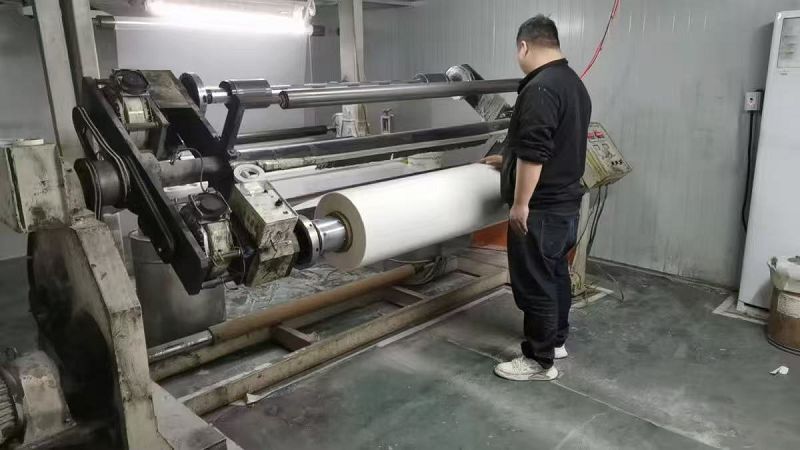
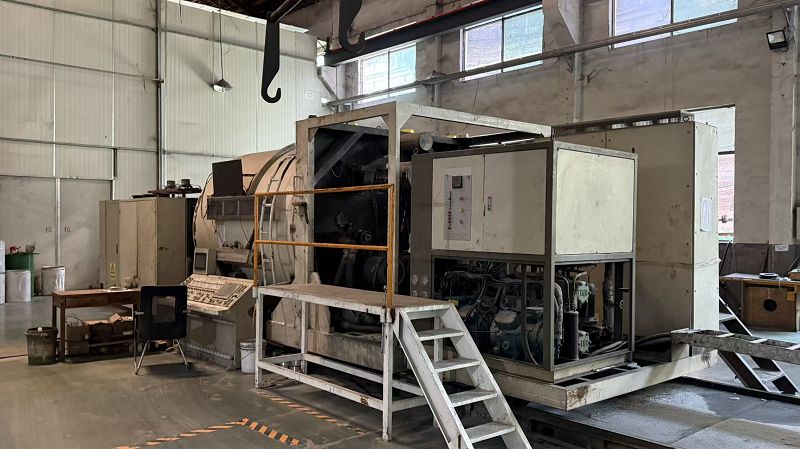
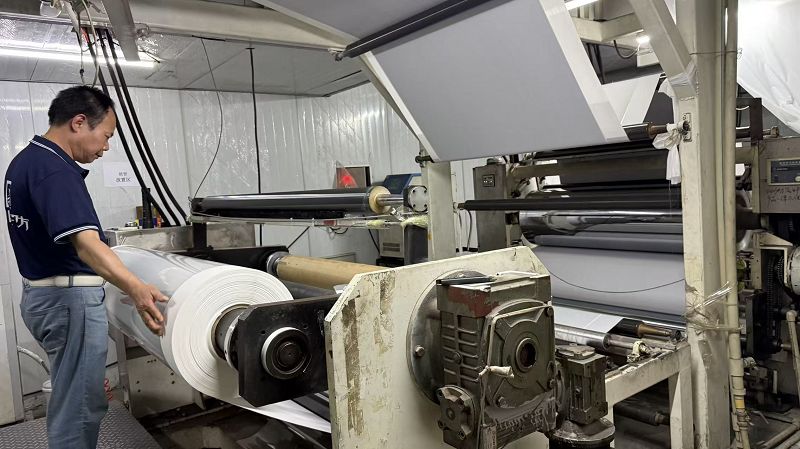
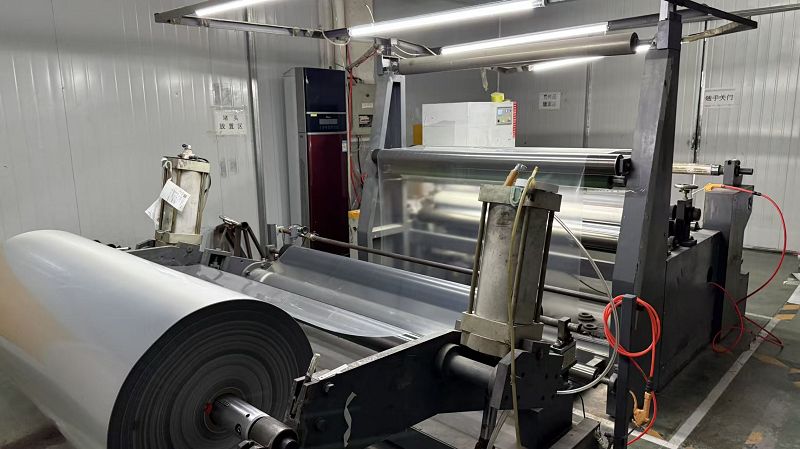
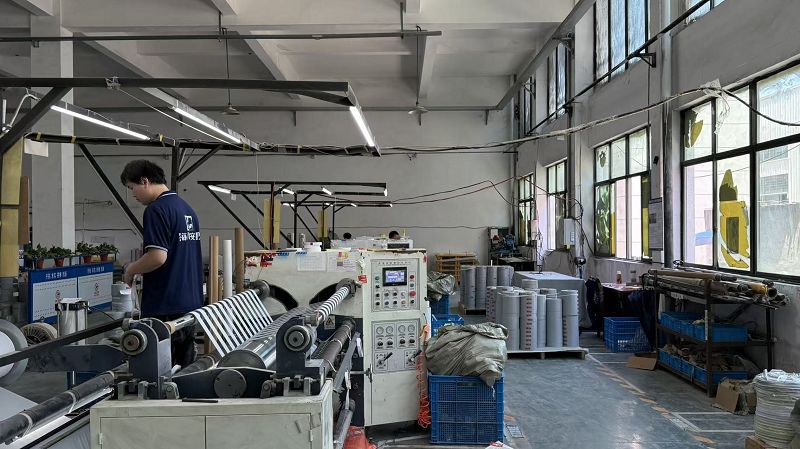
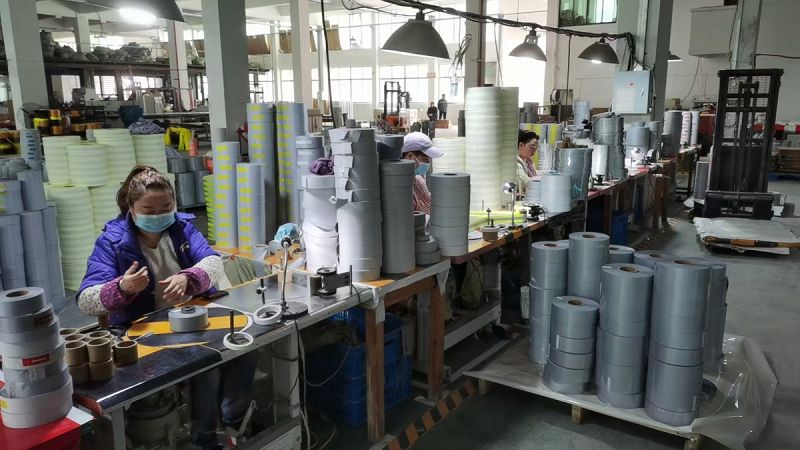
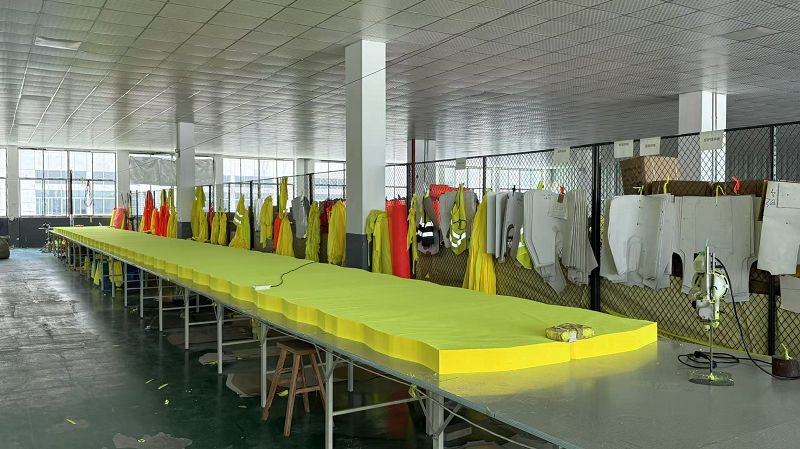
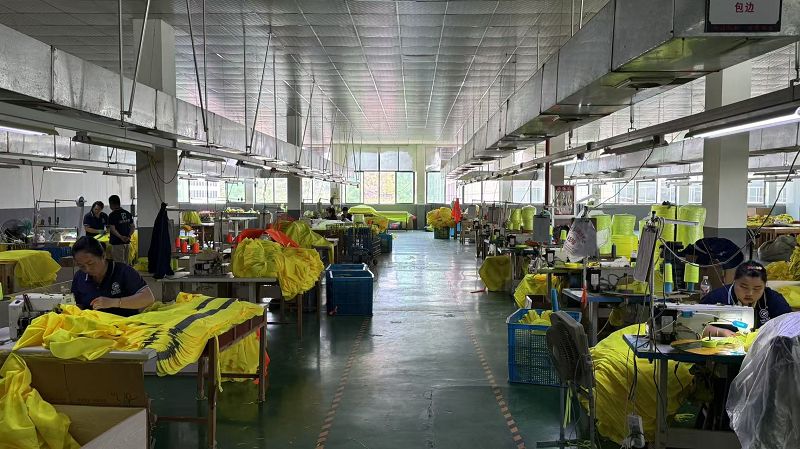
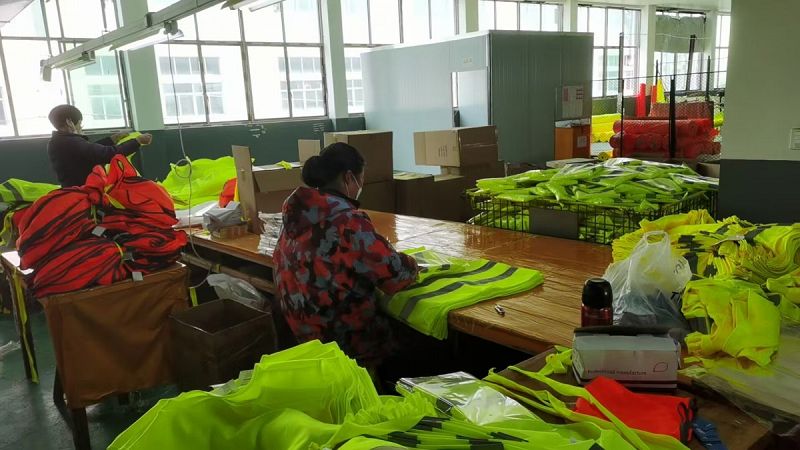
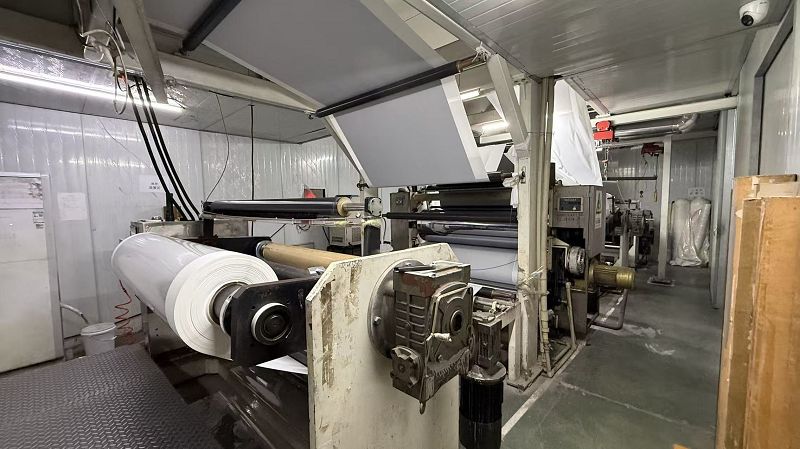
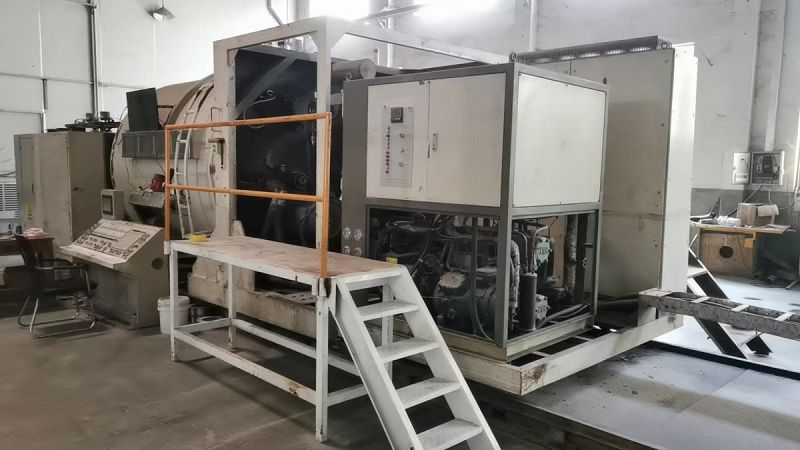
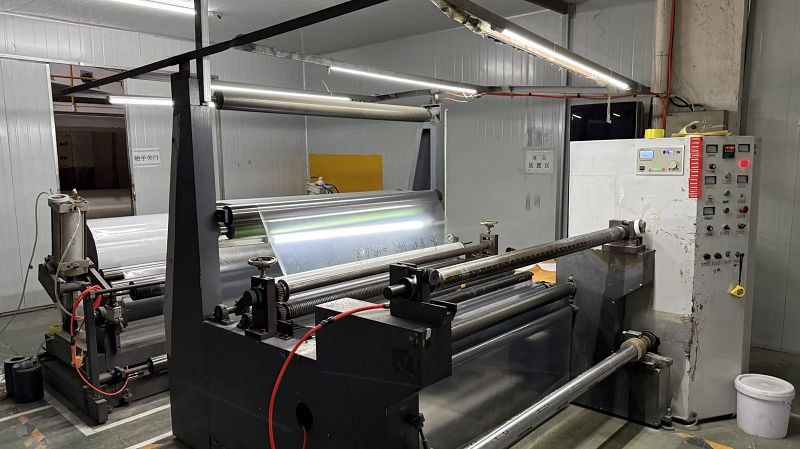
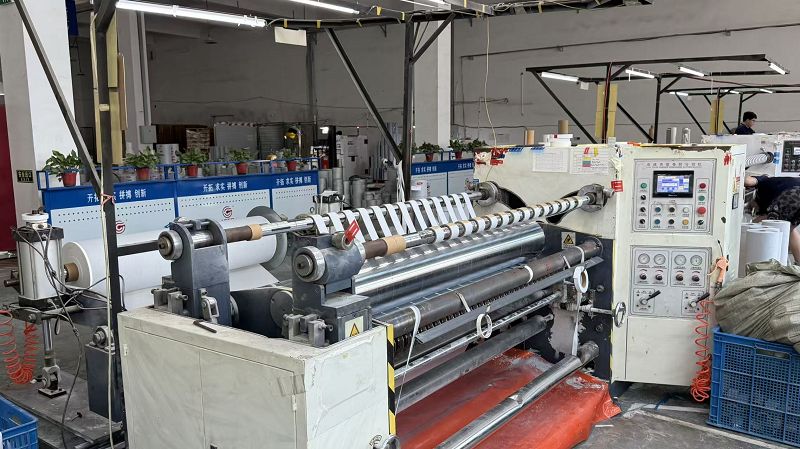
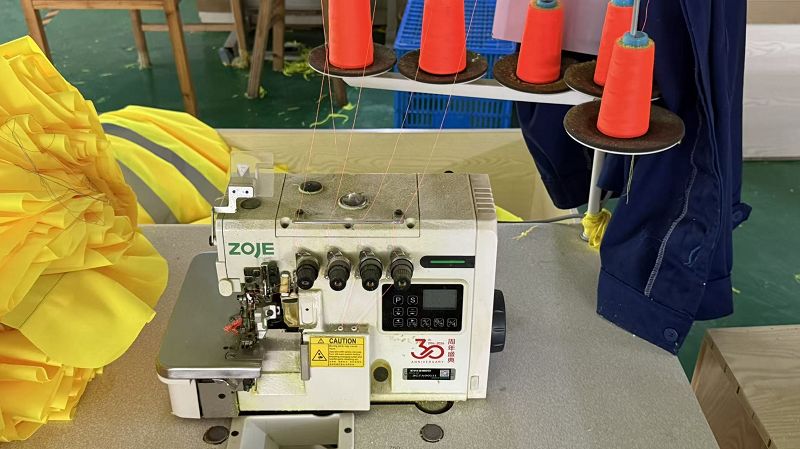
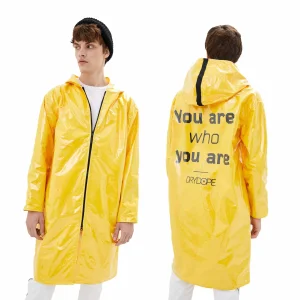
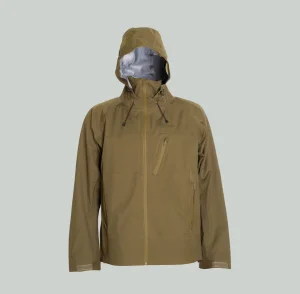
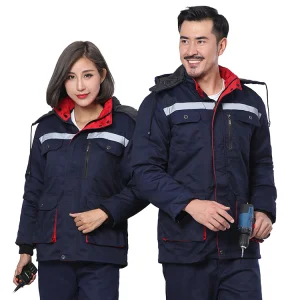
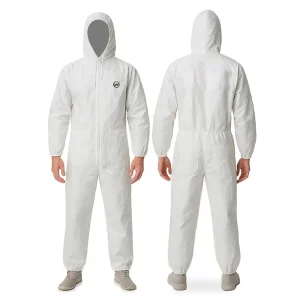
Fuzhou Jennie Fashion's production capabilities span four core areas, allowing us to implement cross-disciplinary design improvements that directly benefit our custom insulated carrier projects:
Different markets present distinct logistics challenges. As an exporter, Fuzhou Jennie Fashion tailors its designs to match these specific localization needs:
A. European Urban Food Delivery: Compliance with strict plasticizer bans (REACH regulation) is mandatory. We supply food delivery organizations with BPA-free, PVC-free bags utilizing high-grade PEVA inner liners that do not emit volatile compounds at elevated operational temperatures.
B. Heavy-Duty Industrial Worksites (North America & Australia): For operations in extreme climates (such as open-pit mines or pipeline maintenance sites), standard lunch bags wear out quickly. We integrate elements from our heavy-duty workwear jackets—including reinforced corner gussets, military-grade heavy webbing handles, YKK waterproof zipper tracks, and high-visibility retroreflective strips (complying with EN ISO 20471 parameters)—to protect lunch containers on-site.
C. Corporate Promotional & Brand Merchandising: We provide full OEM/ODM branding services, using high-definition silk-screen and transfer printing machines to apply logos that remain durable through regular cleaning and heavy use.
Looking ahead, Fuzhou Jennie Fashion is updating our production systems to align with circular economy directives. Our technical development roadmap focuses on three key areas:
1. Recycled Mono-Material Bags: Developing single-source polyester thermal bags (RPET outer shell, RPET insulation layer, and recycled TPU interior lining) to allow for complete recycling at the end of the product life cycle without manual separation.
2. Phase Change Material (PCM) Pockets: Integrating internal sleeves designed for bio-based phase change gel packs, allowing users to maintain specific temperature points (such as +2°C to +8°C for clinical transport) without requiring active power inputs.
3. Advanced Antimicrobial Coating: Introducing silver-ion coatings to our PEVA inner liners, inhibiting 99.9% of bacterial growth, a feature critical for commercial lunch bags exposed to daily organic food spills.
Our standard MOQ for custom material configurations, custom colorways, and OEM branding starts at 1,000 units per style. For standard configurations using in-stock raw materials, we can accommodate lower quantities. Contact our sales division for a detailed quote.
We use food-contact safe PEVA, PVC-free linings, and BPA-free insulation cores. All materials are tested under LFGB, FDA, and REACH criteria to ensure no chemical migration occurs under high heat or acidic exposure.
Yes. We specialize in safety workwear manufacturing. We can apply industrial-grade retroreflective strips and fluorescent fabrics to your thermal bags, making them suitable for construction sites, rail yards, and mining environments.
Prototype samples are completed within 7 to 10 working days. Upon approval of the sample and receipt of deposit, bulk production runs require 35 to 45 days, depending on order size and complexity.
Combining heavy-duty weatherproofing, thermal insulation, and industrial protection standards.
 Jennie Fashion