Explore our elite selection of high-performance outerwear engineered for tactical durability, cold protection, and absolute elemental shielding.
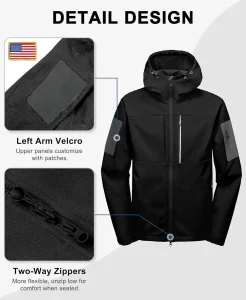
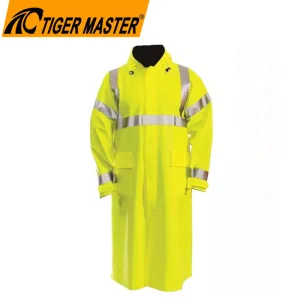
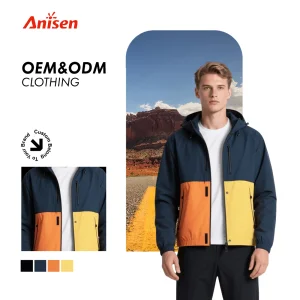
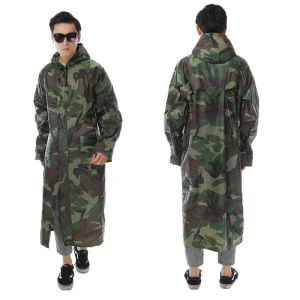
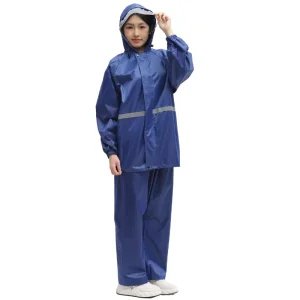
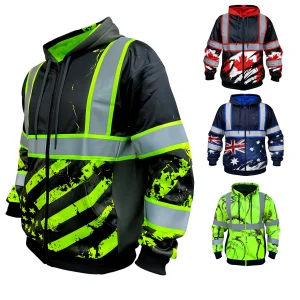
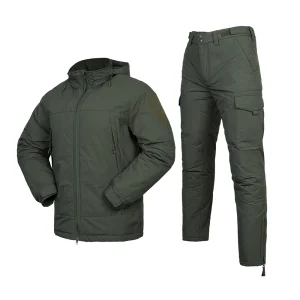
Analyzing fabric architecture, material science, and manufacturing mechanics in global industrial and tactical applications.
In the contemporary landscape of technical apparel, the demand for multifunctional, highly resilient protective wear has experienced an unprecedented surge. Historically, outdoor and industrial professionals were forced to rely on heavy, rigid, multi-layered clothing systems that compromised mobility for safety, or vice versa. Today, materials engineering has bridged this gap, placing high-performance softshell pants at the forefront of active barrier defense. As a premier OEM and ODM manufacturer and exporter, Fuzhou Jennie Fashion Co., Ltd. has spent decades refining the mechanical, chemical, and physical qualities of these specialized garments to satisfy demanding global standards.
To successfully integrate these products into professional workwear lines, corporate portfolios, or tactical gear catalogs, procurement managers and brand owners must understand the underlying science. This document serves as a comprehensive guide to fabric engineering, global market compliance, supply chain logistics, and localized customization options available through modern production facilities.
Understanding the macroeconomic drivers and multi-sector expansion of technical softshell materials.
The global market for technical apparel is transitioning toward dynamic, adaptive gear. High-performance softshell pants are increasingly adopted in heavy industrial zones, utility services, tactical defense, and municipal rescue fields. In North America and Western Europe, market expansion is primarily driven by updated worker safety mandates and a corporate shift toward ergonomic, breathable uniforms that improve labor productivity.
Similarly, the outdoor recreation sector is demanding higher technical specs. Modern consumers expect garments that perform as well in alpine ascents as they do during urban commutes. This convergence of industrial utility and leisure performance has created a vast, highly profitable category for brands that can offer reliable, certified, multi-functional apparel. By establishing robust OEM and ODM partnerships, distributors and retailers can secure consistent product quality while meeting regional demands for safety compliance, design aesthetics, and material performance.
Designed for law enforcement, border patrol, and security teams requiring high durability, quiet movement (low acoustic friction), reinforced joints, and custom pocket configurations to store tactical gear safely.
For petrochemical plants, electrical grids, and cold-storage warehouses. Focuses heavily on EN ISO 20471 high visibility, anti-static safety, flame retardancy (EN 531/533), and robust weather insulation.
Engineered for professional mountain guides, search and rescue squads, and high-altitude operators who face rapid weather changes, sub-zero winds, and continuous physical activity.
Analyzing the multi-layer composition that balances extreme water resistance with high breathability.
The core performance of a premium softshell garment lies in its lamination architecture. Standard synthetic fabrics are typically either highly breathable but porous, or entirely waterproof but sweat-trapping. Modern technical softshell pants overcome this through a three-layer laminated construction bonded with heat and specialized adhesives:
By balancing the thickness and density of these layers, we can tailor the fabric's physical properties to match specific environmental demands, from light spring winds to freezing alpine storms.
| Performance Indicator | Standard Spec (Standard Duty) | Advanced Spec (Pro/Tactical) | Primary Standards & Testing Methods |
|---|---|---|---|
| Hydrostatic Head (Waterproofness) | ≥ 5,000 mm H₂O | ≥ 10,000 mm to 20,000 mm H₂O | ISO 811 / AATCC 127 |
| Moisture Vapor Transmission (MVTR) | ≥ 3,000 g/m²/24h | ≥ 8,000 to 10,000 g/m²/24h | ASTM E96 Procedure B / JIS L1099 |
| Wind Resistance (Air Permeability) | < 1.0 cfm | 0.0 cfm (100% Windproof) | ASTM D737 |
| Martindale Abrasion Resistance | ≥ 20,000 Cycles | ≥ 50,000 Cycles (Cordura reinforced) | ISO 12947-2 |
How regional climates and workplace requirements dictate specific softshell features.
In Northern Europe, operators require thick fleece linings, windproof TPU membranes (10,000mm), and high-visibility panels conforming to EN ISO 20471. The priority is thermal retention and safety in dark, freezing conditions.
These models feature neutral tactical tones (coyote brown, olive, stealth black), silent exterior finishes, reinforced knees, gusseted crotches for dynamic movement, and hidden utility pockets designed for quick access.
A booming segment requiring lightweight (no-fleece or micro-grid fleece) construction, sleek silhouettes, and 4-way stretch fabrics. These items transition easily from high-intensity city life to weekend hiking trails.
The future of protective apparel: Eco-conscious chemistry, lightweight insulation, and smart textiles.
As regulatory agencies enforce stricter environmental guidelines globally, the technical textiles sector is undergoing a major evolution. At Fuzhou Jennie Fashion Co., Ltd., our engineering roadmap focuses on key technological advancements:
Explore our vertically integrated factory floor, featuring advanced equipment that ensures high efficiency, strict quality control, and rapid scaling.
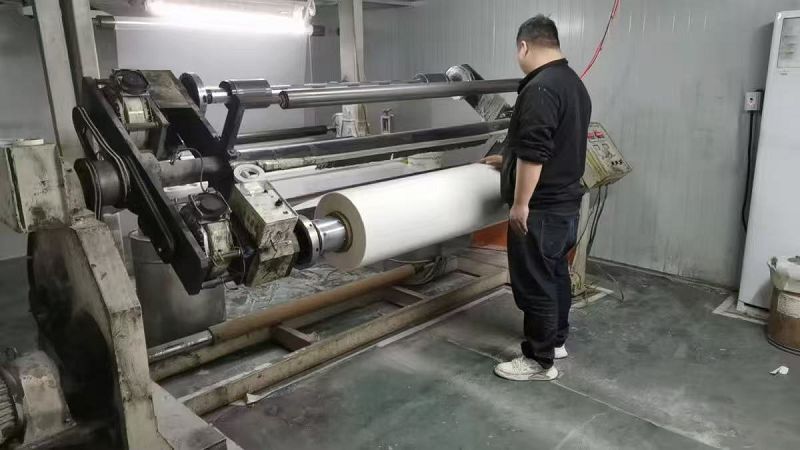
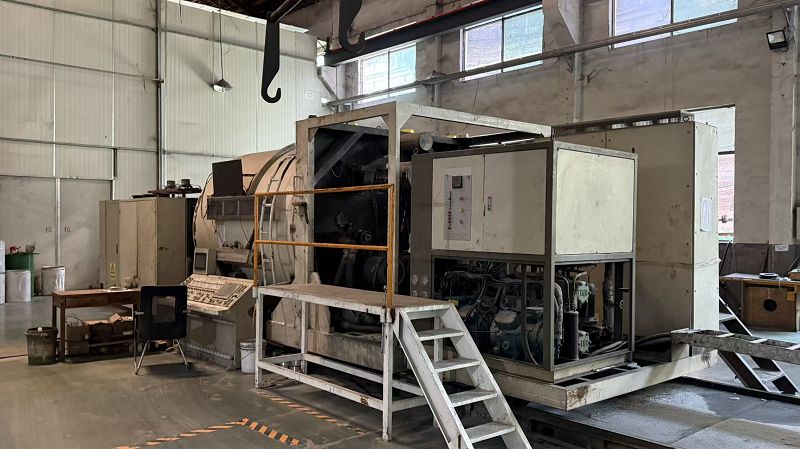
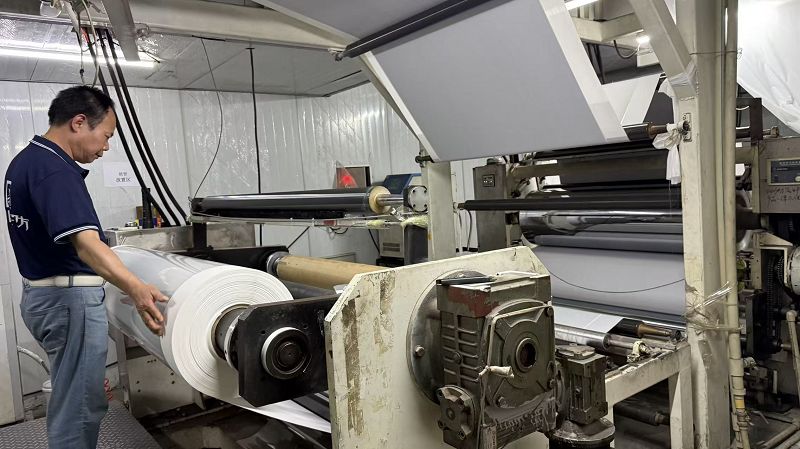
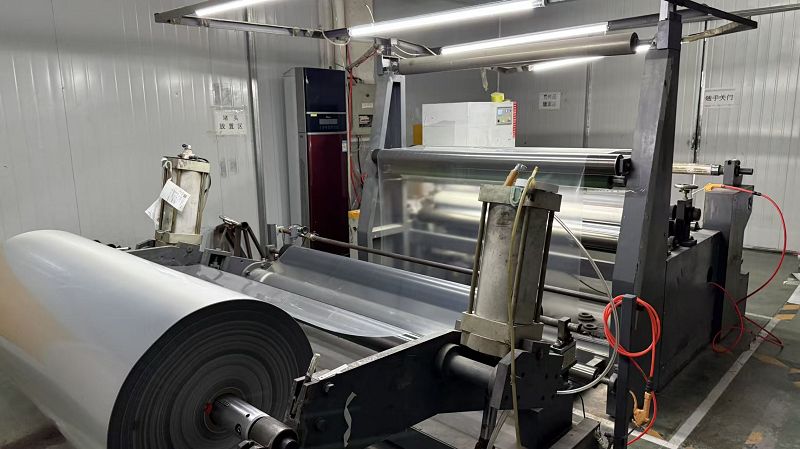
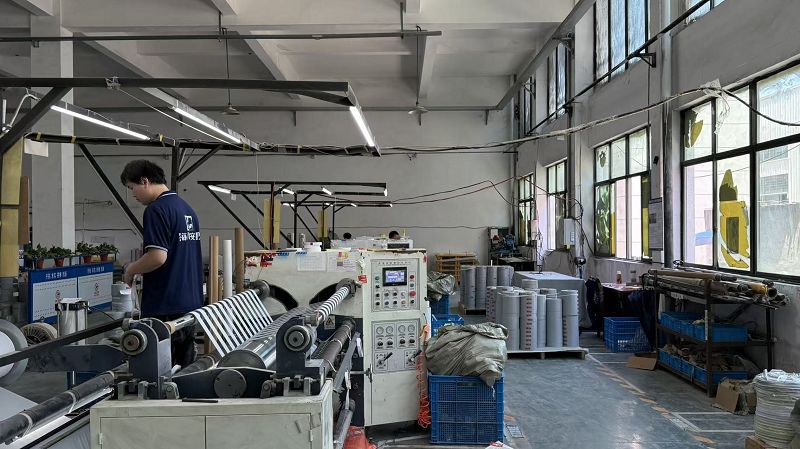
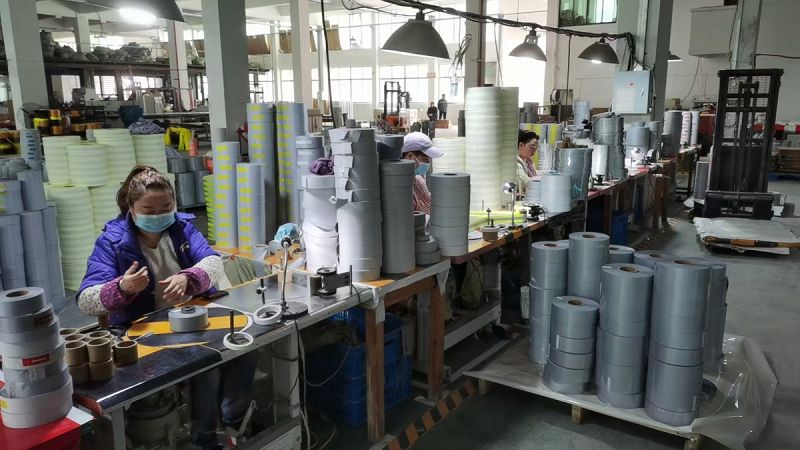
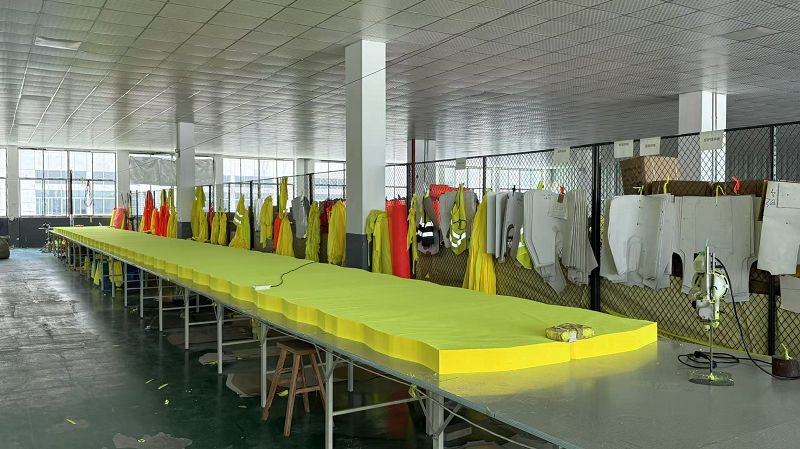
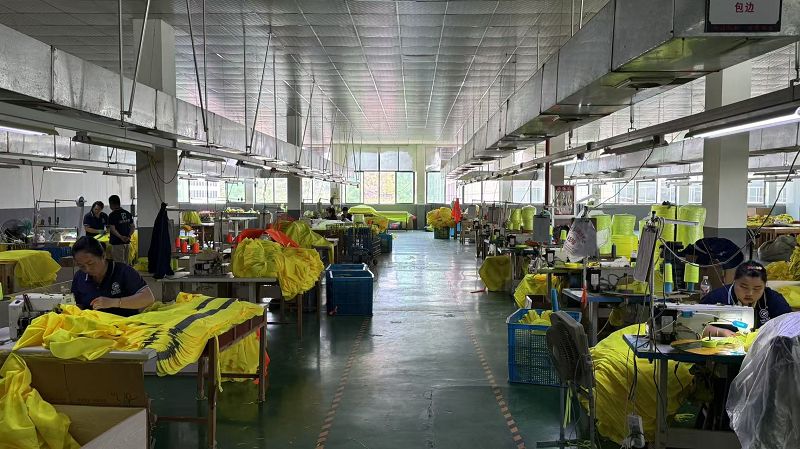
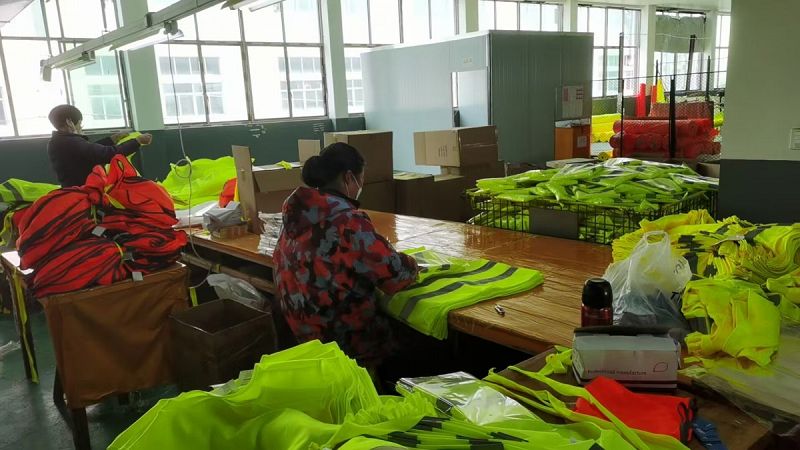
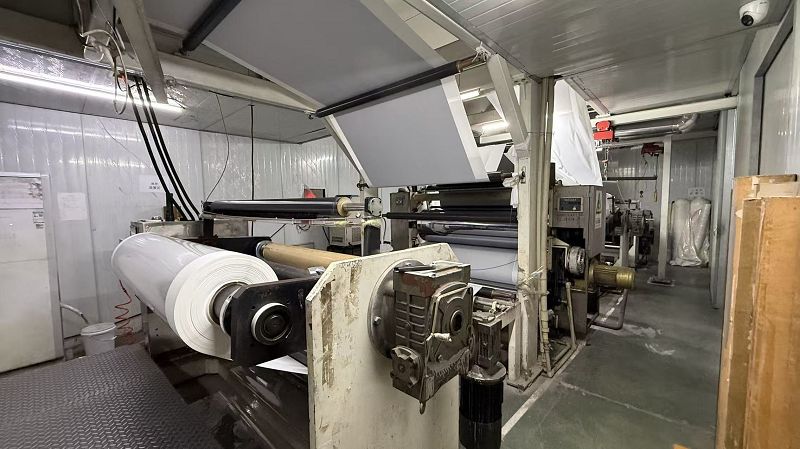
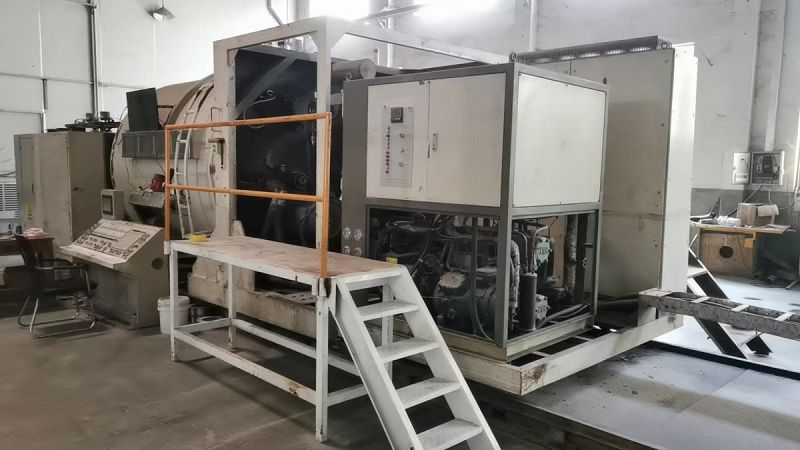
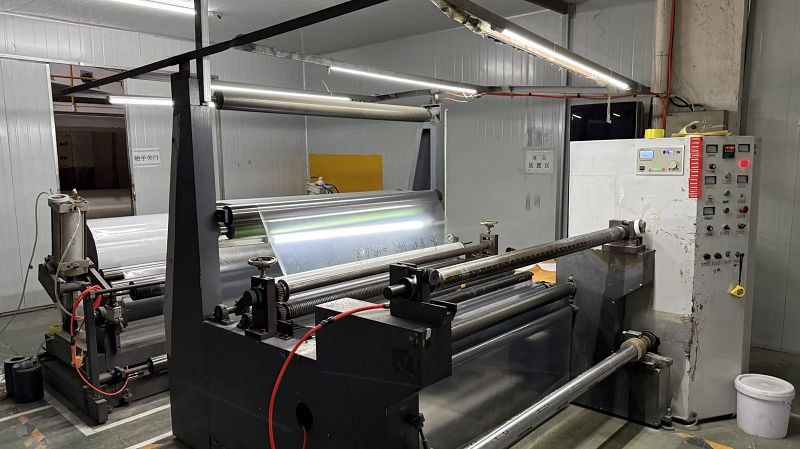
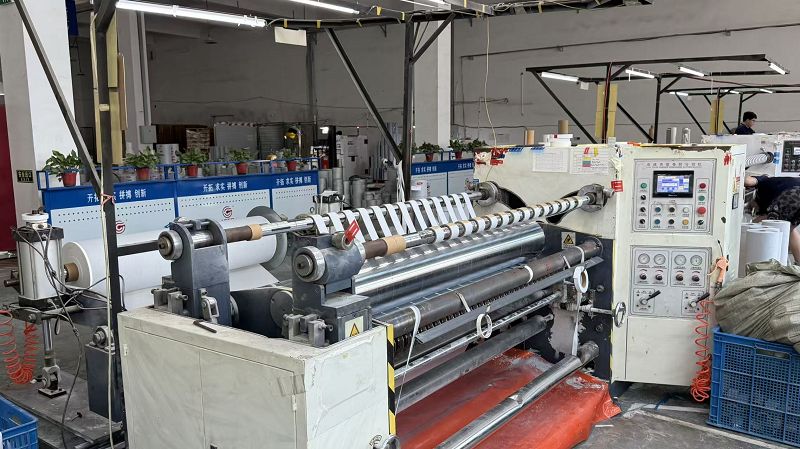
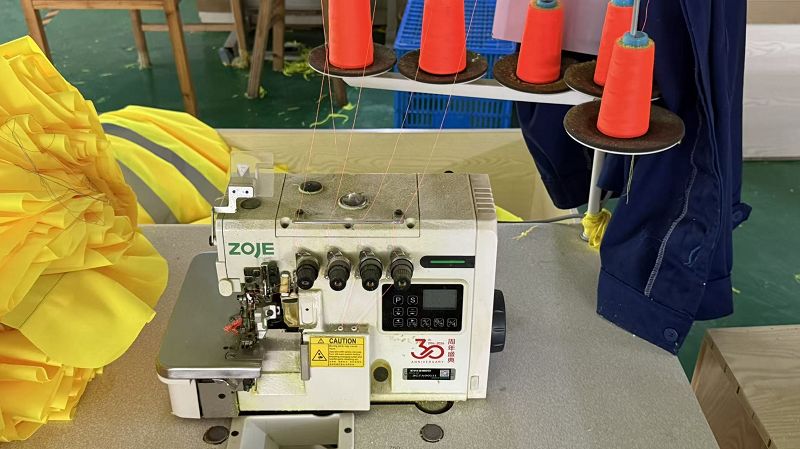
Our comprehensive production facility features advanced coating, lamination, and sewing lines. Managing every step of the process—from material lamination to cutting, sewing, and final packaging—allows us to maintain control over production costs and lead times. This level of quality control is essential to ensure that our high-visibility workwear (EN ISO 20471) and waterproof gear (EN 343) consistently meet industry regulations.
Helping brands navigate international PPE rules, testing standards, and customs regulations.
Exporting high-performance softshell products requires navigating a complex environment of international standards. Different regions enforce distinct rules, and non-compliance can lead to import issues or liability concerns for distributors. We verify that all materials comply with target market specifications before manufacturing begins:
Answers to common technical, design, and manufacturing questions for sourcing managers.
We perform hydrostatic pressure tests on laminated fabrics prior to cutting. During assembly, we seal critical seams with hot-air welding equipment. Every batch undergoes hydrostatic pressure checks (ISO 811) to confirm the seams meet the required waterproof rating.
Yes. Our ODM services allow you to request custom chest pockets, sleeve utility compartments, specialized radio loops, and inner document pouches. We also offer reinforcement detailing, such as double-layer seat panels and Cordura-trimmed cuffs.
Our standard production lead time is 45 to 60 days following sample approval and deposit confirmation. This timeline can vary depending on material availability, design complexity, and seasonal demand. Prototypes are typically ready for evaluation within 7 to 10 working days.
Our QC teams perform inspections throughout the production process, checking sewing alignment, pocket durability, and seam sealing. Finished garments are also verified to comply with relevant safety standards (EN ISO 20471, EN 343, EN 469) before packing.
Our standard MOQ is 1,000 pieces per style. However, we can occasionally accommodate smaller test orders or brand trials depending on fabric availability. Contact our sales department to discuss your project's specific requirements.
Yes. We offer recycled polyester face fabrics, PFC-free DWR finishes, and bio-based TPU membranes. These options help brands meet environmental targets and comply with local regulations.
Additional functional apparel solutions built to handle cold environments and demanding workplace safety requirements.
 Jennie Fashion