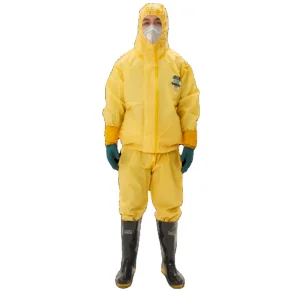
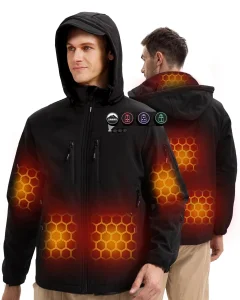
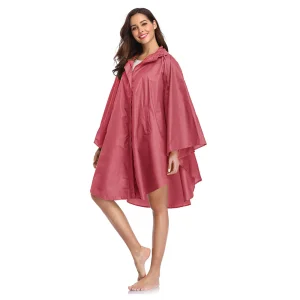
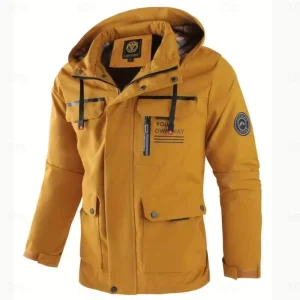
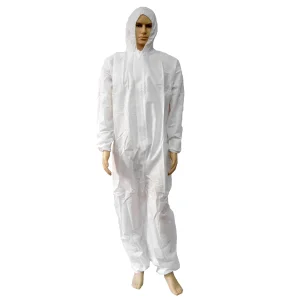
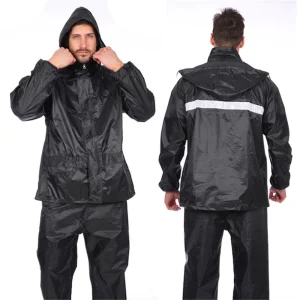
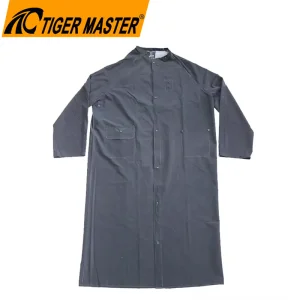
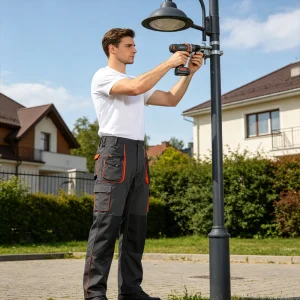
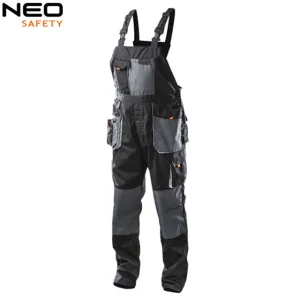
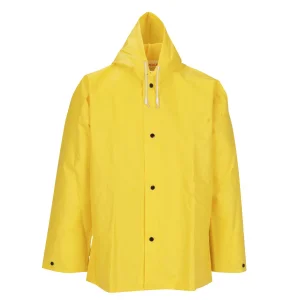
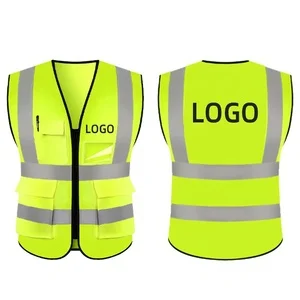
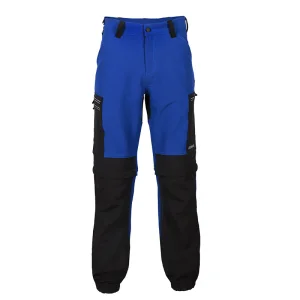
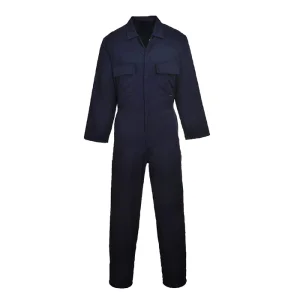
Explore our core engineered safety wear, designed for ultimate durability and strict regulatory compliance.
A comprehensive industrial insight on material selection, compliance architectures, and localized applications in global safety apparel supply chains.
In modern industrial workflows, personnel protective equipment (PPE) acts as the baseline barrier against workplace hazards. Among these, the utility of reinforced work aprons has evolved from simple fabric covers to highly technical, multi-material defensive shields. Industrial safety audits show that micro-injuries in high-impact zones, such as the torso, are minimized by over 82% when workers use aprons tailored to their specific work conditions. As a leading OEM/ODM Reinforced Work Aprons Manufacturer & Exporter, Fuzhou Jennie Fashion Co., Ltd. builds upon decades of functional outerwear expertise to engineer protective equipment that addresses these demanding requirements.
Today's global supply chain expects workwear to offer dual benefits: superior protection and durability that lowers the total cost of ownership. B2B buyers must navigate complex factors such as material fatigue, chemical permeability, and thermal resistance while ensuring compliance with regional health and safety mandates. This whitepaper explains how advanced polymers, manufacturing innovations, and strategic supply chain models can solve these key operational challenges.
The durability of a work apron is determined by its fabric chemistry and structural reinforcement. Basic cotton or low-grade polyester aprons degrade quickly when exposed to industrial liquids, cutting forces, or abrasive friction. Our research and development focuses on optimizing composite polymer coatings and resilient substrates to handle these challenges.
These base fabrics undergo secondary structural modifications. Stress points, including pockets and neck straps, are reinforced with heavy-duty bartacking and anti-corrosive metal grommets. Seams are sealed with high-frequency thermal welding or advanced waterproof seam-tapes rather than simple sewing, keeping the garments completely dry in heavy rain or liquid splash conditions.
Modern work aprons are specialized tools designed for specific work environments. Through OEM/ODM customization, we adjust material weights, hardware, pockets, and coatings to suit different industries:
| Industrial Sector | Primary Threat Vector | Optimized Material Matrix | Critical Design Feature |
|---|---|---|---|
| Heavy Welding & Metal Fabrications | Thermal sparks, spatter, contact burns | Flame-Retardant (FR) treated heavy canvas / PU | Kevlar stitching, spark-catching pocket flaps |
| Petrochemical & Oil Refining | Hydrocarbons, grease, corrosive liquids | High-viscosity PVC on dense Polyester substrate | Acid-resistant buckles, guttered bottom hems |
| Industrial Food Processing | Bacterial growth, continuous humidity | 100% waterproof TPU or premium cleanable EVA | Seamless weld construction, antimicrobial coating |
| Automotive & Precision Assembly | Surface scratching, tool weight fatigue | Softshell backing with durable PU reinforcement | Scratch-proof plastic hardware, weight-distributing harness |
For example, in cold-chain logistics and maritime settings, stiff aprons can restrict movement and increase worker fatigue. We design our Rainwear Series and Softshell Series using flexible, high-spec polyurethane (PU) and TPU membranes. This ensures workers remain comfortable and protected, even in harsh weather and changing environments.
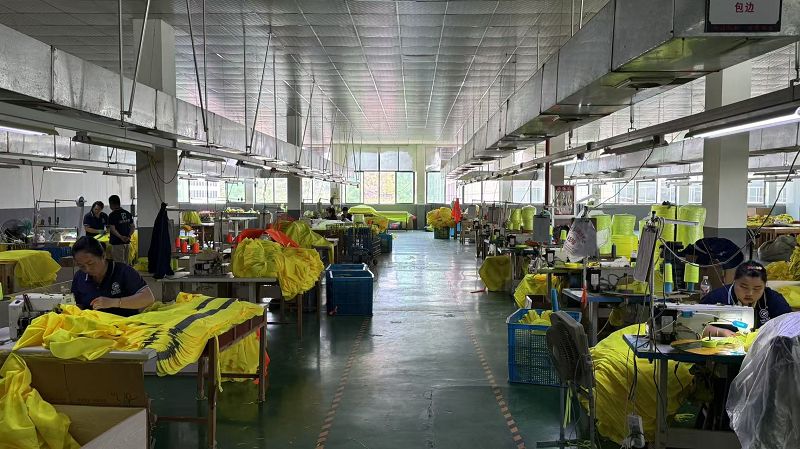
Fuzhou Jennie Fashion Co., Ltd. operates in Fuzhou, China, a global cluster for technical textile manufacturing. This location offers strong supply chain advantages that benefit our global partners. By integrating raw material sourcing, yarn spinning, membrane compounding, cutting, sewing, and final packaging in one region, we reduce production lag and optimize costs.
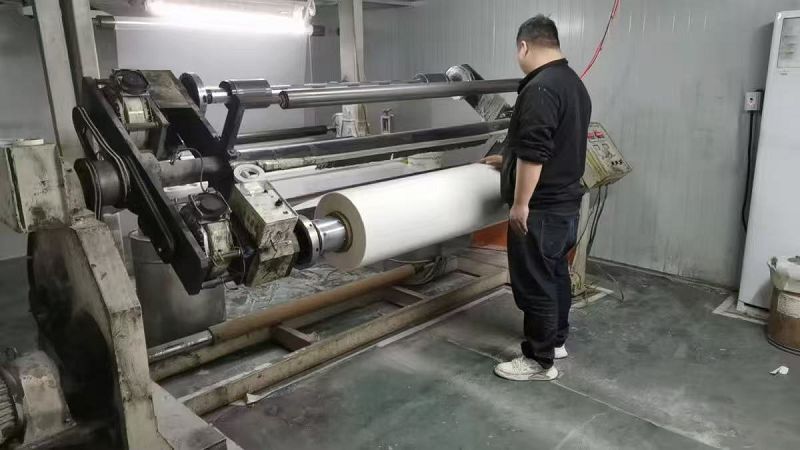
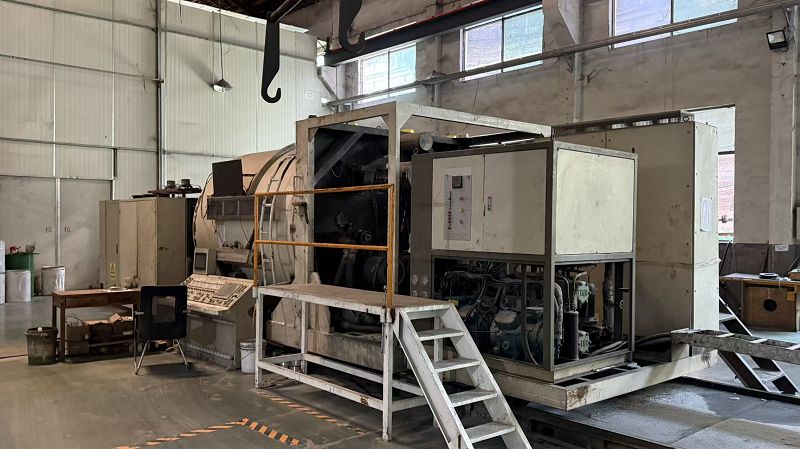
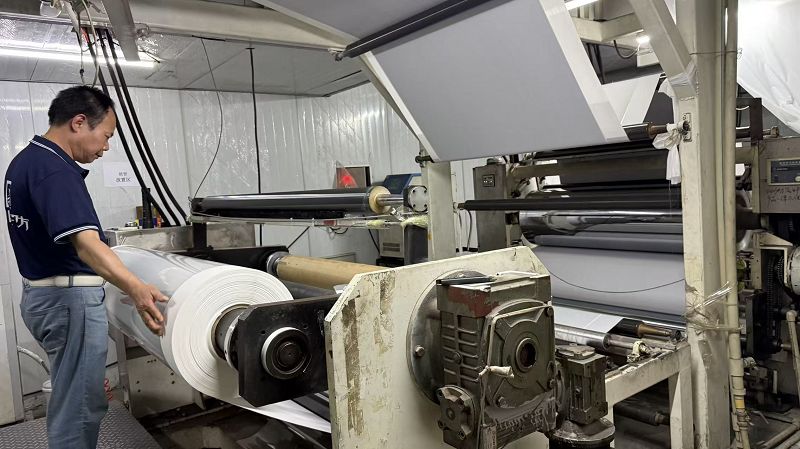
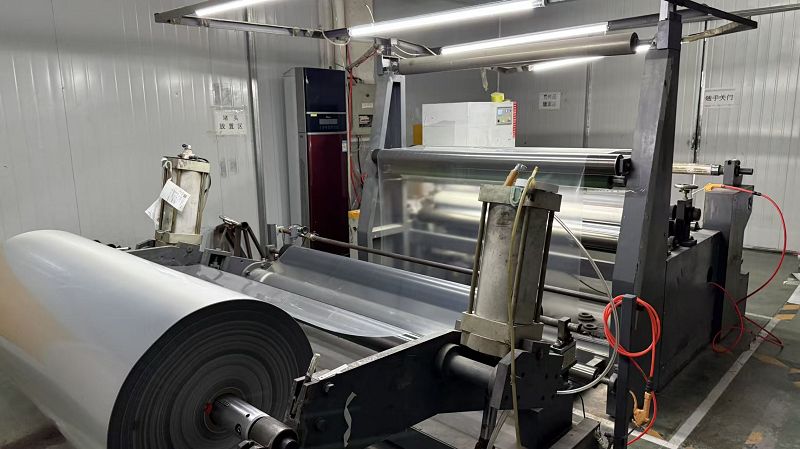
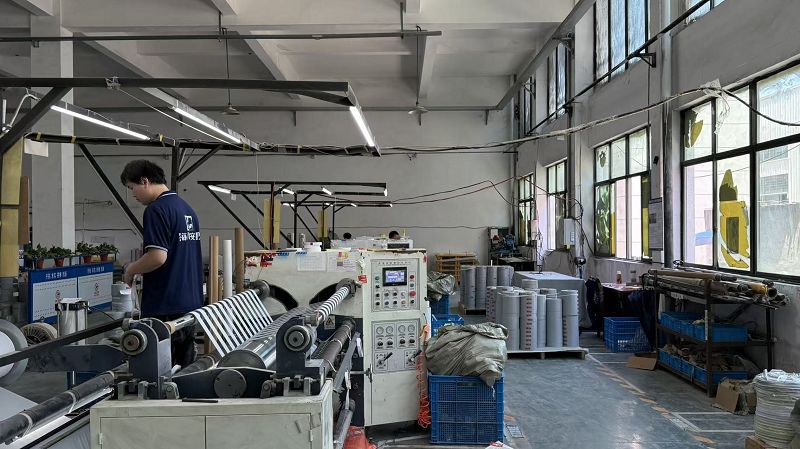
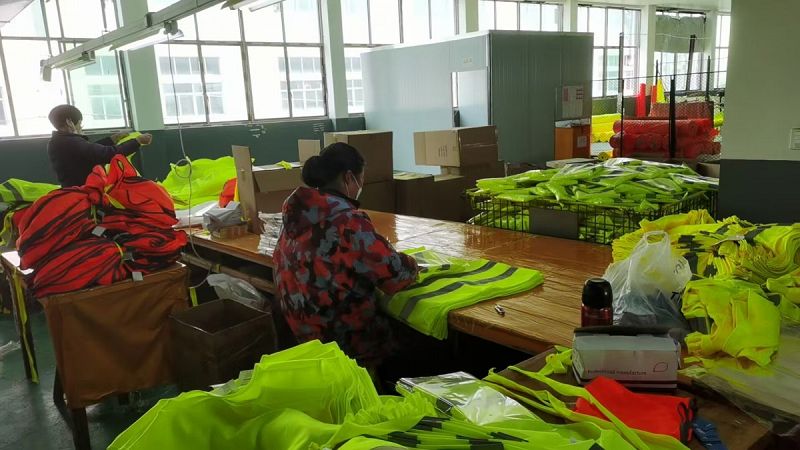
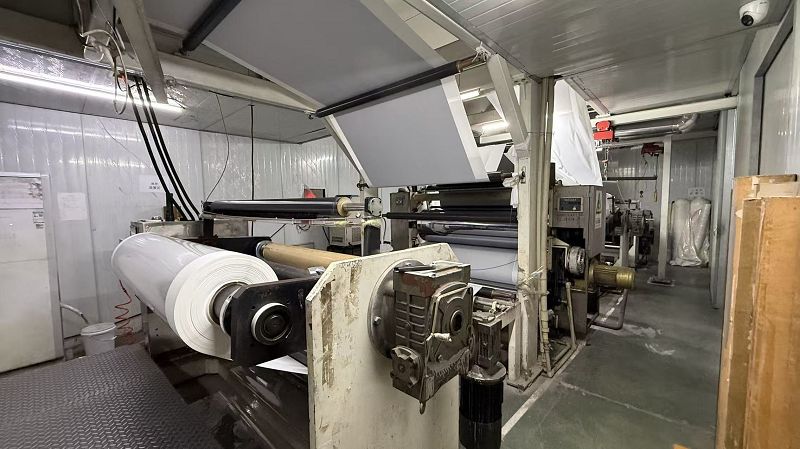
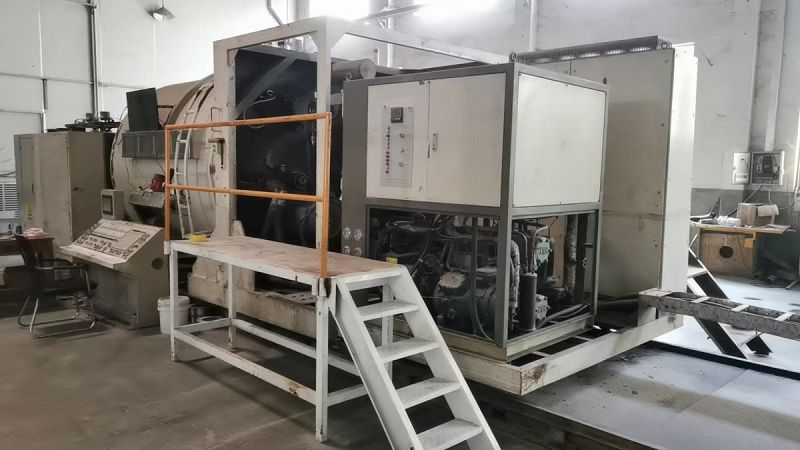
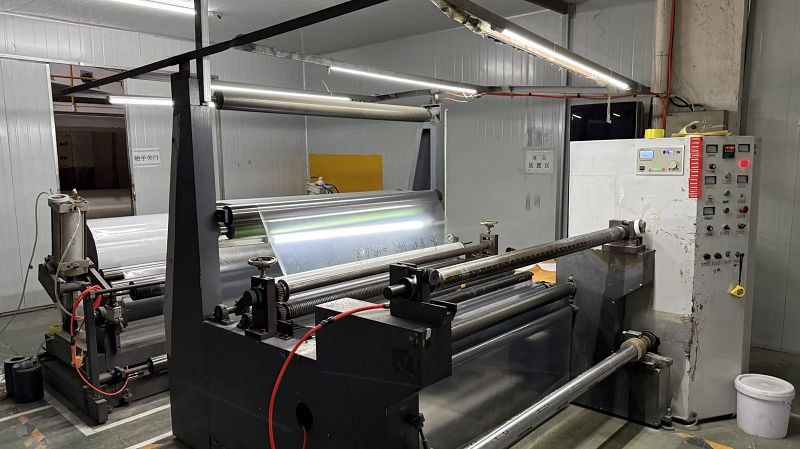
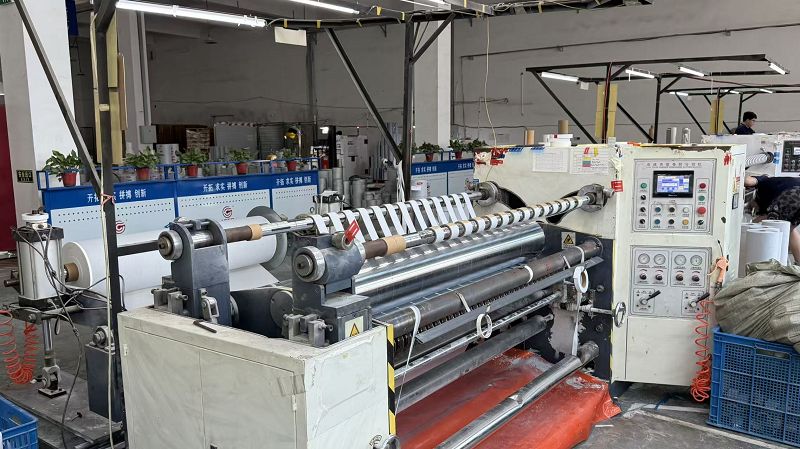
Our facility features advanced production systems, including dedicated Planting beads lines, Aluminizing lines, Recombination lines, and Rolling lines. We maintain close relationships with local petrochemical polymer providers, allowing us to secure consistent pricing and steady material access even during volatile market conditions. For B2B clients, this translates to predictable pricing, short production times, and the flexibility to scale orders from test batches to large runs.
Compliance is essential for industrial safety equipment. Safety directors and purchasing agents must ensure workwear meets regional legal requirements. Our production systems are audited and certified to comply with European and international safety standards:
Our Workwear Series is designed to meet strict regulatory frameworks, including EN ISO 20471 for high-visibility garments, EN 343 for rain protection, and EN 531 / EN 533 (along with EN ISO 14116) for heat and flame exposure. By subjecting our protective wear to systematic hydrostatic pressure tests, tensile strength checks, and color-fastness evaluations, we guarantee that every batch delivered meets the required certifications.
Additionally, we focus on eco-friendly manufacturing. By using phthalate-free coatings, low-emission polyurethane, and energy-efficient lamination machines, we help global buyers meet their environmental, social, and governance (ESG) targets without sacrificing product durability.
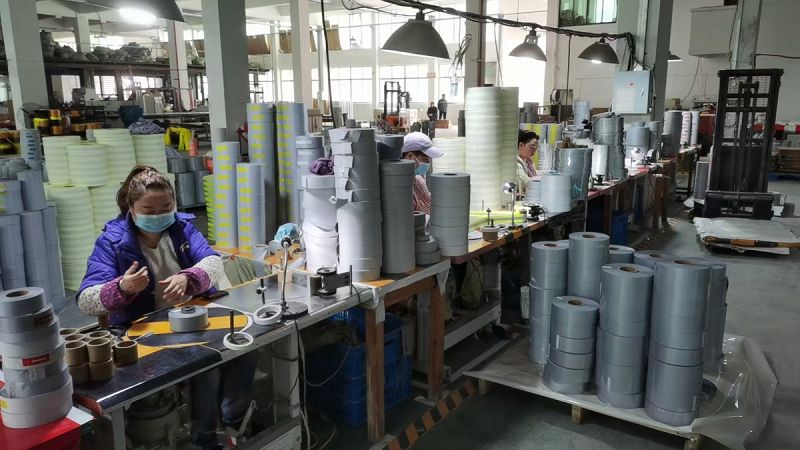
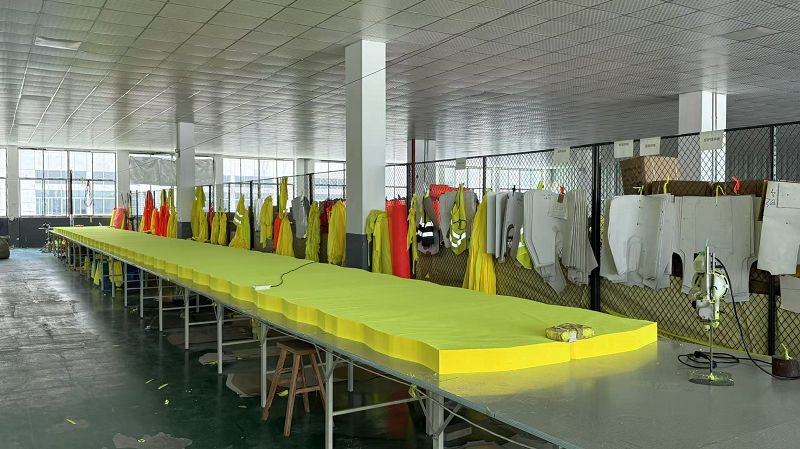
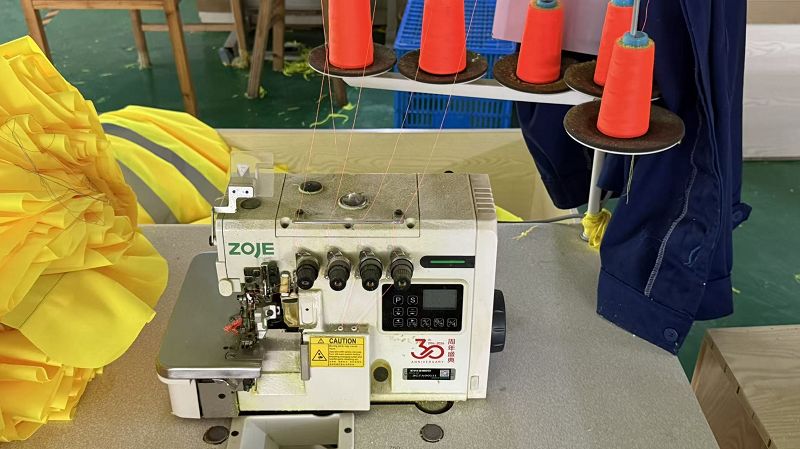
Our production facilities feature modern lamination, cutting, welding, and inspection machinery to ensure precise quality control.
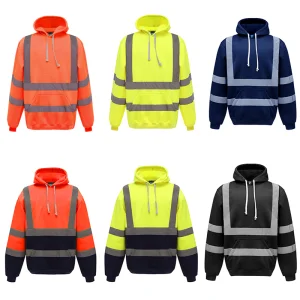
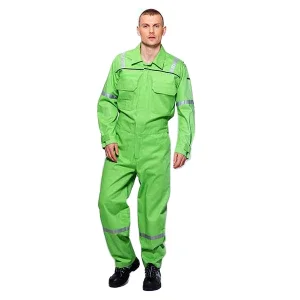
Complete your team's protective setup with our heavy-duty pants, high-visibility outerwear, and specialty gear.
 Jennie Fashion