Top 10 Anti-Static Gloves Manufacturer & Factories

Global Sourcing & Compliance Guide: ESD Protection, Precision Cleanroom Engineering, and Enterprise Safety Solutions

The Whitepaper on Global ESD & Anti-Static Protection

Analyzing industry standards, material innovations, manufacturing methodologies, and procurement strategies for high-precision manufacturing.

1. Understanding ESD: The Science of Electrostatic Discharge Protection

Electrostatic Discharge (ESD) is one of the most significant, yet invisible hazards within high-tech electronics manufacturing, semiconductor cleanrooms, pharmaceutical laboratories, and chemical processing facilities. The movement of workers, contact between materials, and micro-friction generate triboelectric charges. Without a safe, controlled dissipation route, static electricity can build to thousands of volts, discharging instantly into sensitive electronics or igniting flammable gas mixtures.

This has driven massive demand for specialized static-dissipative personal protective equipment (PPE). Anti-static gloves act as a bridge, offering safe path-to-ground dissipation. They function by keeping the surface resistance between $10^5$ and $10^9$ ohms—the critical range designated by the Electrostatic Discharge Association (ESDA) that prevents sudden, destructive discharge events while avoiding dangerous electrical conductivity.

"A single ESD event can compromise a million-dollar semiconductor batch or disrupt safety-critical aerospace assembly. Choosing the correct anti-static glove manufacturer is not a matter of price, but of strict compliance and materials engineering."

10^5 - 10^9
Ohms Resistivity
EN 1149
European Standard
ISO 3-8
Cleanroom Class
98% / 2%
Polyester/Carbon Ratio

2. Advanced Material Science & Manufacturing Technologies

State-of-the-art anti-static gloves derive their properties from their knit configuration. Manufacturers weave premium continuous filament polyester yarns combined with highly conductive carbon-infused nylon fibers. This carbon grid or stripe layout actively captures static electricity from the wearer's skin and disperses it harmlessly across the glove surface, or routes it directly to grounding wrist straps and floor systems.

Conductive Carbon Grid

Woven with 5mm or 10mm pitch conductive carbon yarn to provide multi-directional charge dissipation across the entire glove surface.

Polyurethane (PU) Coating

PU-coated fingertips or palms provide high dexterity and excellent grip while preventing linting or particle generation in cleanrooms.

High Cleanroom Performance

Washed with 18 MΩ-cm ultra-pure water and packaged in vacuum-sealed bag environments to eliminate trace chemicals and dust particles.

Nitrile Coating Adaptability

For chemical and puncture protection, dissipative nitrile compounds offer an alternative for heavy industrial maintenance and solvent environments.

3. Fuzhou Jennie Fashion Co., Ltd.: Integrated Safety & Production Capability

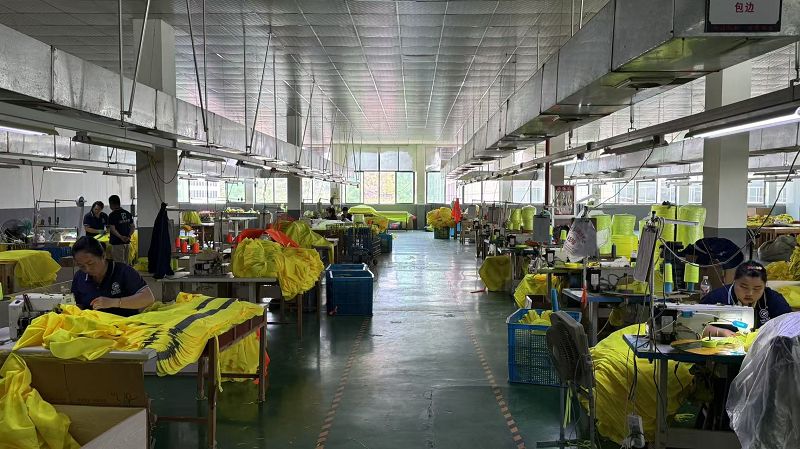
Building on decades of advanced functional workwear manufacturing, Fuzhou Jennie Fashion Co., Ltd. has established a comprehensive reputation in both domestic and international markets. The company provides a reliable sourcing point for multi-hazard environments, combining anti-static (ESD) technologies with weatherproofing, thermal insulation, and high-visibility requirements.

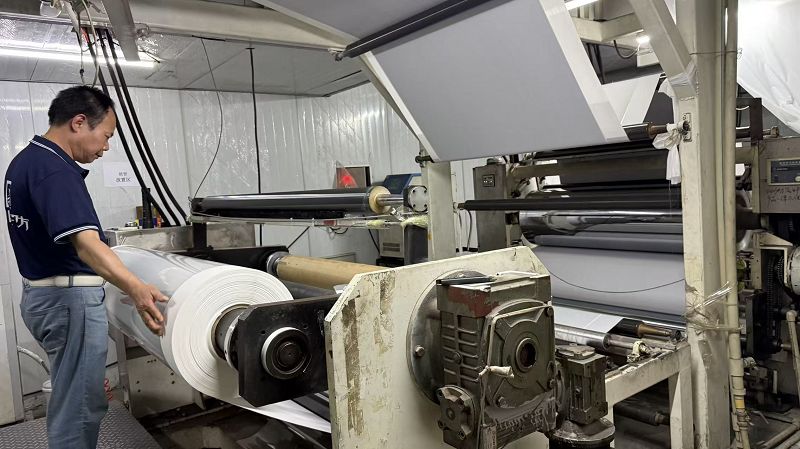
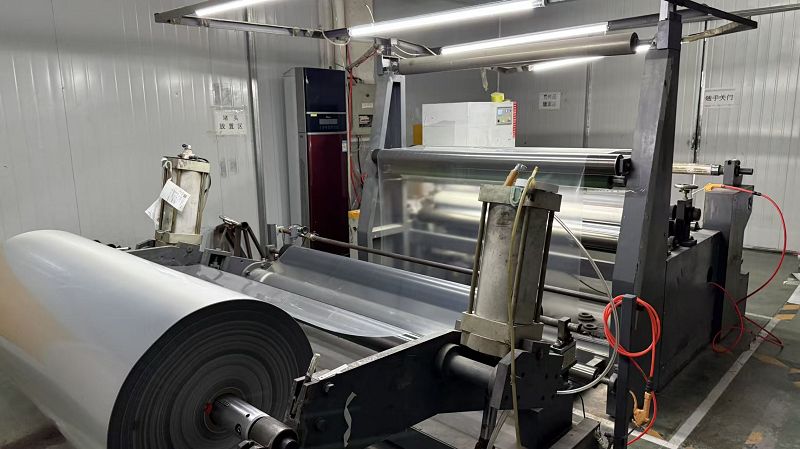
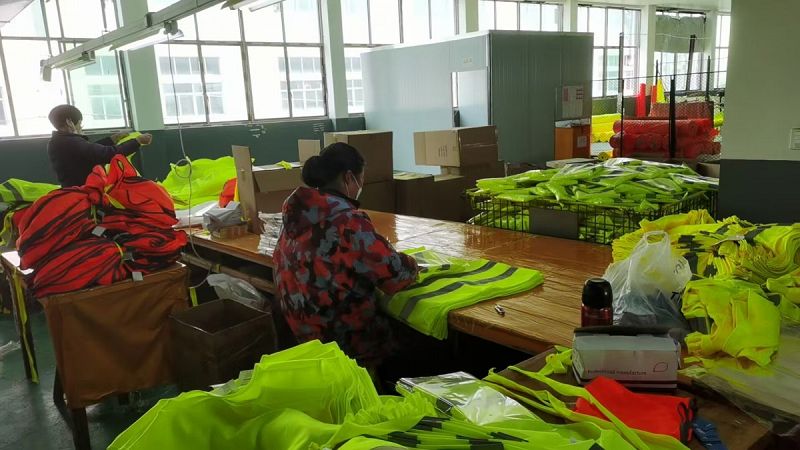
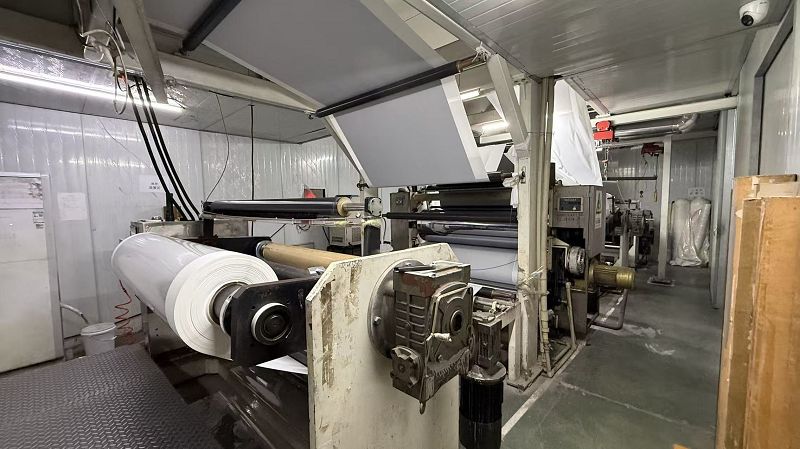
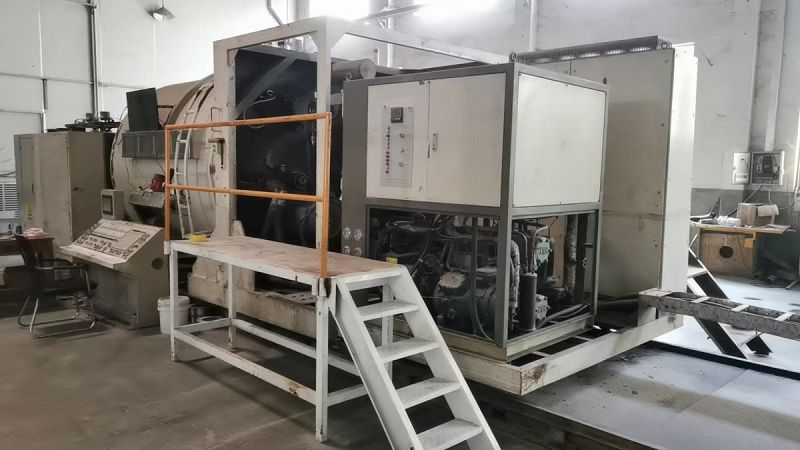
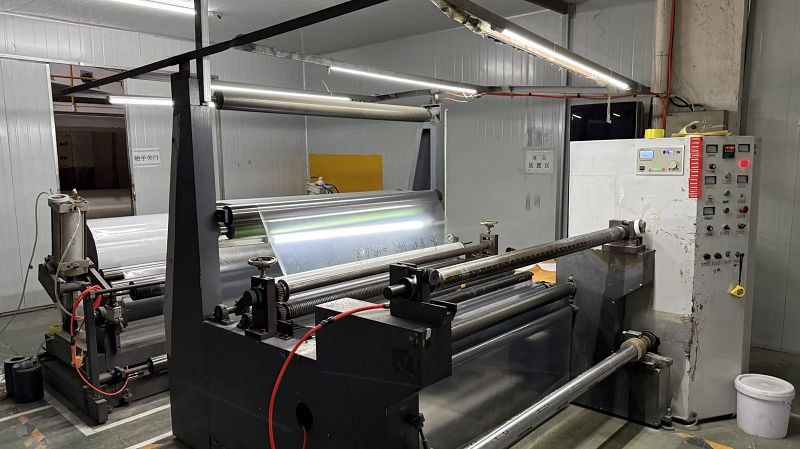
Equipped with advanced coating machines, laminating units, and high-precision assembly lines, the factory enforces rigorous quality control from raw material selection to final inspection. This ensures that every garment conforms to European regulations and global standards.

Core Product Series & Functional Capabilities:

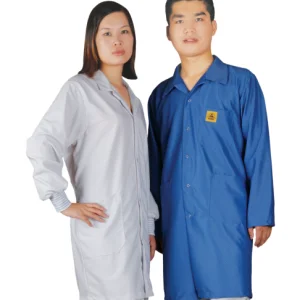
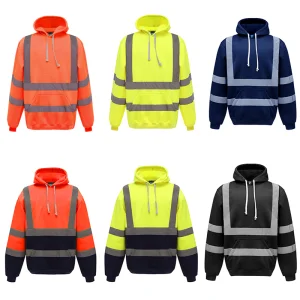
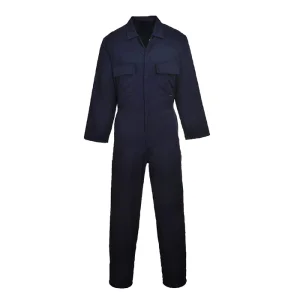
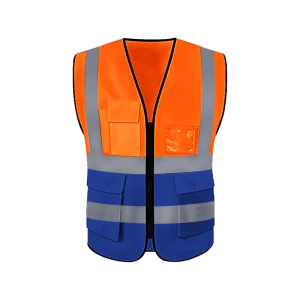
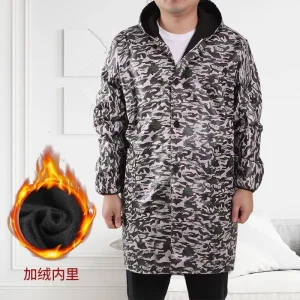
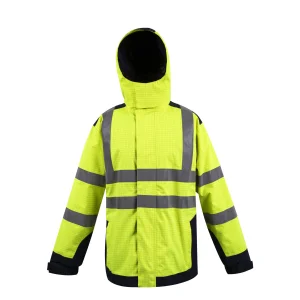
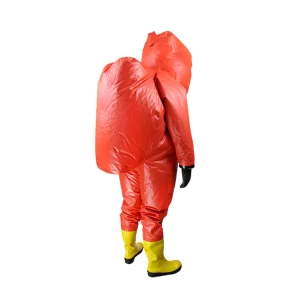
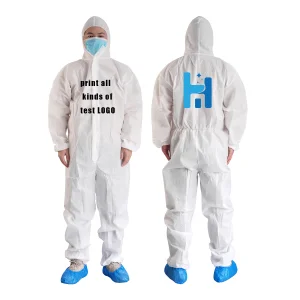
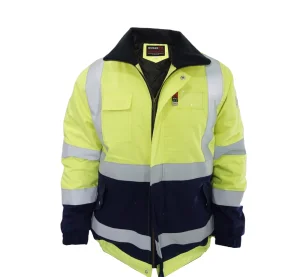
  • Workwear & Cleanroom Series: Comprising high-visibility ESD garments, anti-static protective smocks (98% polyester + 2% carbon), and insulated coveralls conforming to EN ISO 20471, EN 343, EN 531, and EN 533. Perfect for safety, thermal protection, and ESD mitigation.
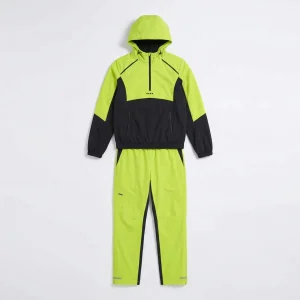
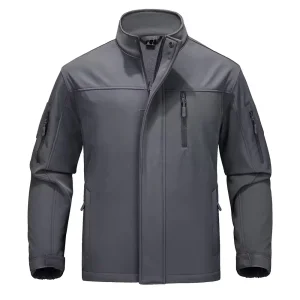
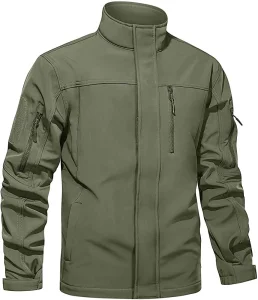
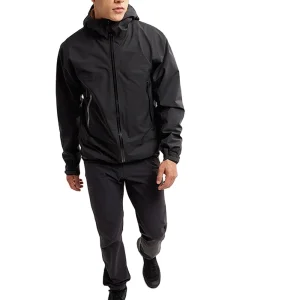
  • Softshell Series: Made from 100% polyester with optional high-performance TPU membranes. These provide windproof, waterproof, and breathable structures for modern dynamic workspaces.
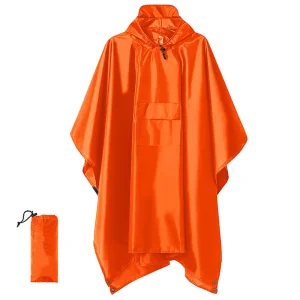
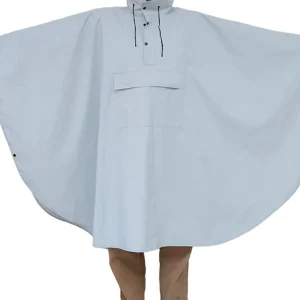
  • Rainwear Series: Utilizing highly flexible PU, PVC, and EVA materials. Features welded seams designed to survive torrential industrial exposure while keeping workers completely dry.
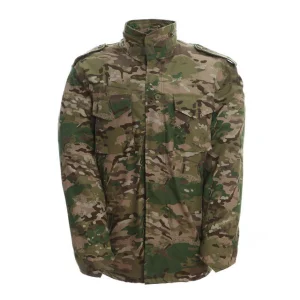
  • Outdoor & Performance Series: Designed for extreme conditions, incorporating specialized functional coatings and taped seams to support tactical, outdoor, and high-mobility activities.

Advanced Production Lines & Machinery

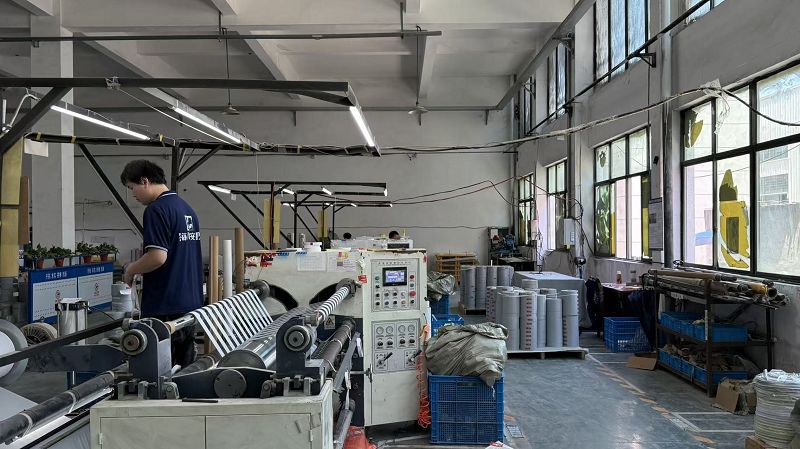
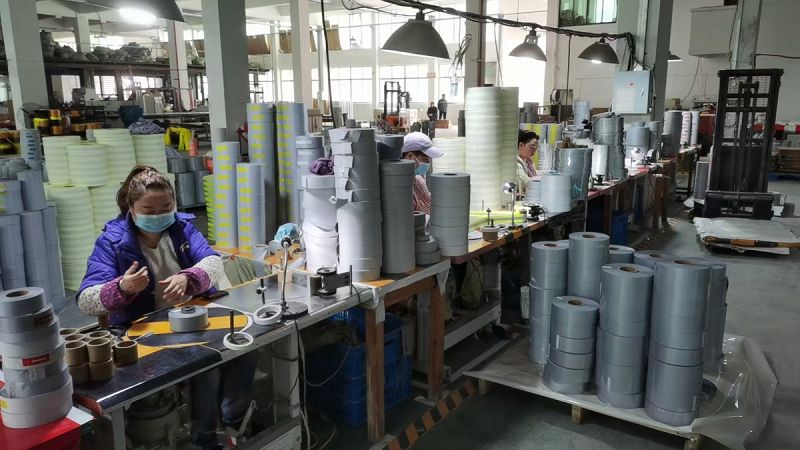
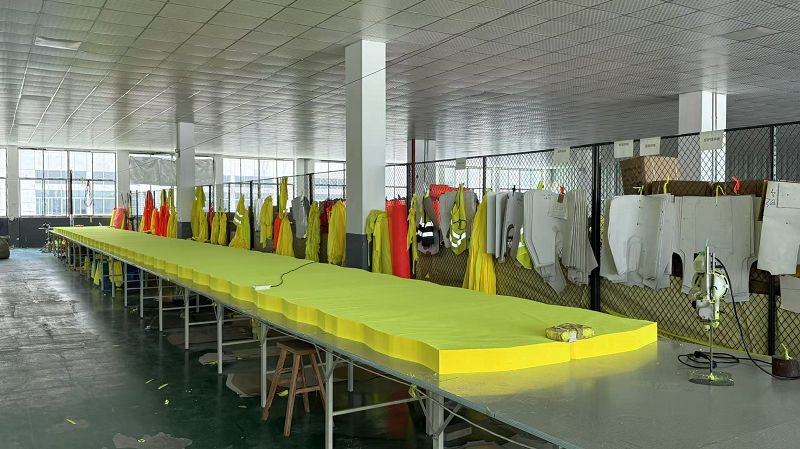
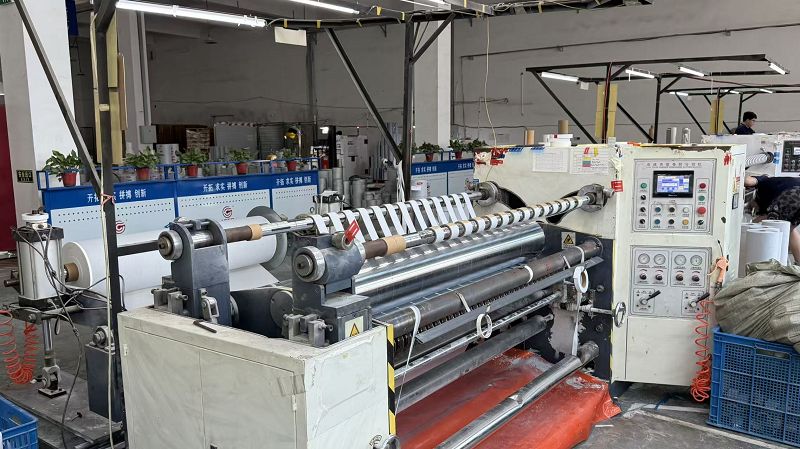
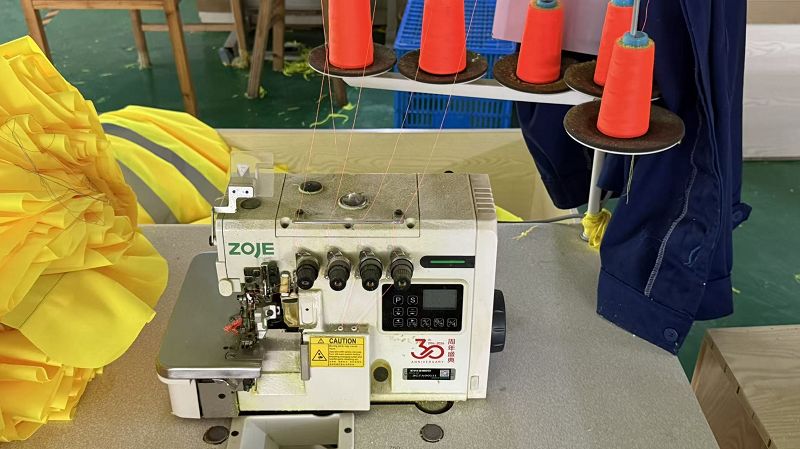
An inside look at our sophisticated equipment and manufacturing facility, executing high-standard processing and testing.
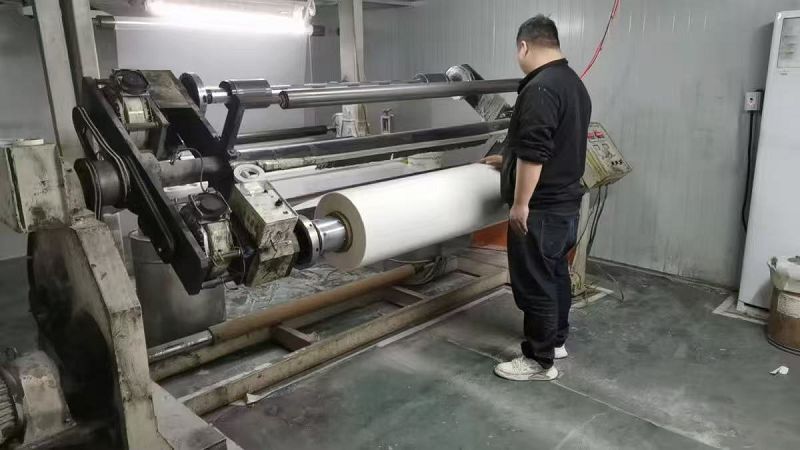
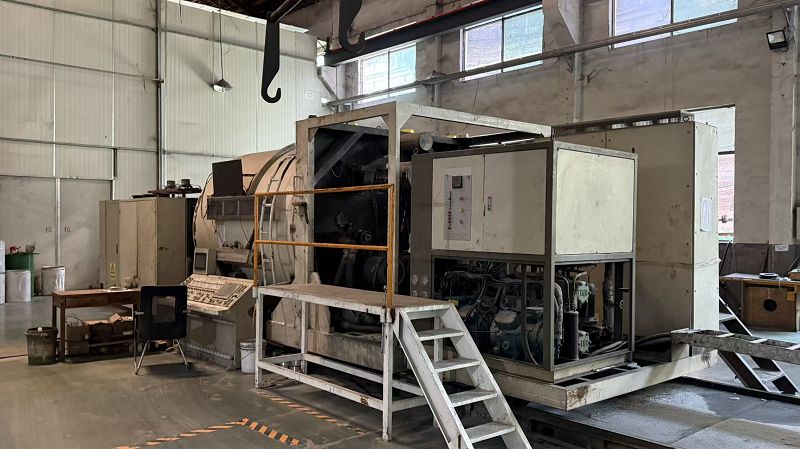
Planting beads Line
Planting beads Line
Aluminizing Line
Aluminizing Line
Recombination Line
Recombination Line
Rolling Line
Rolling Line
Cutting Line
Cutting Line
Inspection Line
Inspection Line
Cutting Line
Cutting Line
Sewing Line
Sewing Line
Packaging Line
Packaging Line
Coating Compounding Machine
Aluminum Plating Machine
Rewinder
Rewinder
Cutting Machine
Cutting Machine
Overlock Sewing Machine

4. Top 10 Manufacturers Evaluation Criteria

When selecting an ESD or workwear manufacturing partner, industrial procurement teams must look past basic cost metrics. True compliance requires reviewing:

  • Yarn Purity & Density: Ensuring the presence of high-quality, continuous carbon fiber lines. Discontinuous or thin carbon blends degrade quickly during typical wash cycles, turning protective wear into a liability.
  • Resistance Testing Protocols: Reliable manufacturers test every batch with specialized ESD meters according to ANSI/ESD S20.20 requirements. Ask to see surface resistance and decay rate certifications.
  • Cleanroom Compatibility (Outgassing/Particulates): Low-linting materials, double-bagging packaging, and ultra-pure water washes are non-negotiable for semiconductor-grade workwear.
  • Ergonomics & Sizing Conformity: Proper fit directly impacts compliance. Too-tight gloves decrease worker dexterity and accelerate tearing, while loose fits can catch on moving parts or disrupt operations.

5. Localized Support & Compliance Verification

Deploying anti-static safety apparel across multi-national entities requires navigating complex domestic regulations. Under European frameworks, protective ESD equipment must satisfy CE marking, EN 1149 (specifically Parts 1, 2, and 5 for electrostatic dissipation), and EN 388 (mechanical resistance). In North American regions, the ANSI/ESD S20.20 standard dictates safety protocols.

Selecting a manufacturer like Fuzhou Jennie Fashion, which implements certified processes compliant with EN ISO 20471, EN 343, EN 531, and EN 533, provides the regulatory trail necessary to satisfy safety audits. Additionally, localized distribution hubs and responsive OEM/ODM communication loops help prevent production bottlenecks.

6. Technical Roadmap & Future Trends (2026 and Beyond)

The field of ESD and industrial protective wear is evolving rapidly. Key technological trends driving research and development include:

  • Eco-Friendly Conductive Yarns: Incorporating recycled polyester fabrics with bio-sourced polyurethane coatings without degrading anti-static conductivity.
  • Intelligent Wearables: Embedding lightweight sensor threads into clothing layers to monitor localized static charges, moisture build-up, and body temperature in real time.
  • Nanotube Coated Fabrics: Replacing traditional carbon filaments with carbon nanotubes or graphene layers to achieve consistent surface resistivity with improved fabric flexibility and durability.

Industry FAQ: Anti-Static Workwear & Gloves Sourcing

Q1: What is the main difference between anti-static and ESD-safe gloves?
Anti-static gloves prevent the build-up of static electricity, protecting the wearer from simple triboelectric charges. ESD-safe gloves are built to a higher standard, actively dissipating existing static charges at a controlled rate (surface resistance between $10^5$ and $10^9$ ohms) to protect delicate microchips and prevent electrical sparks in explosive environments.
Q2: How does the wash cycle affect the anti-static properties of ESD workwear?
Cheap ESD clothing made with surface-applied anti-static chemical coatings lose their efficacy after a few washes. Premium ESD workwear, like the products manufactured by Fuzhou Jennie Fashion, utilizes continuous conductive carbon filaments woven directly into the fabric (e.g., 98% polyester + 2% carbon), which maintains its protective qualities over dozens of industrial washes.
Q3: Which certifications are critical for industrial-grade anti-static safety workwear?
Look for EN 1149 (electrostatic properties), EN ISO 20471 (high visibility), EN 343 (waterproof and weather protection), and EN 531/533 (heat and flame resistance) for multi-hazard environments. For electronics manufacturing in North America, compliance with ANSI/ESD S20.20 is standard.
Q4: Why is polyurethane (PU) popular as a coating on ESD gloves?
PU is highly flexible and provides a secure grip with high tactile sensitivity. Importantly for electronics and cleanrooms, PU does not shed lint or release particles, ensuring the work environment remains uncontaminated while protecting components from static.
Q5: What are the typical MOQ requirements for customized ESD and safety garments?
MOQ varies depending on customization requirements, fabric colors, and specialized coatings. However, standard OEM and private-label orders typically require a production run of 1,000 to 3,000 units, which ensures production efficiency and competitive pricing.