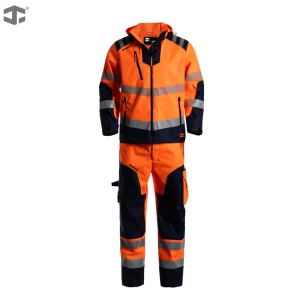
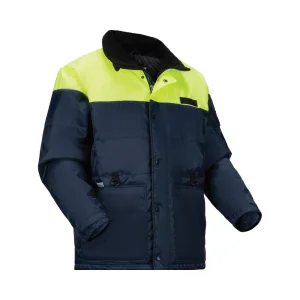
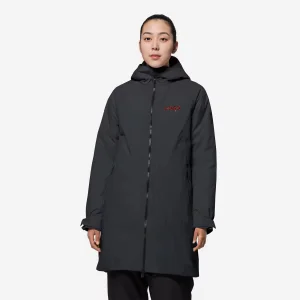
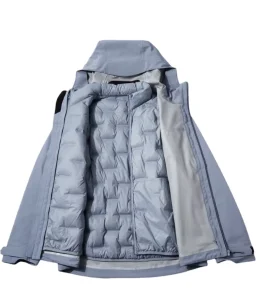
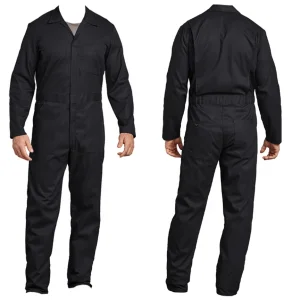
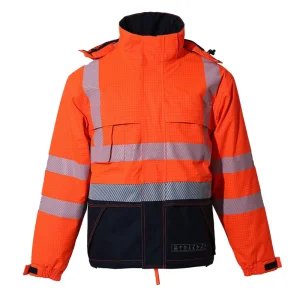
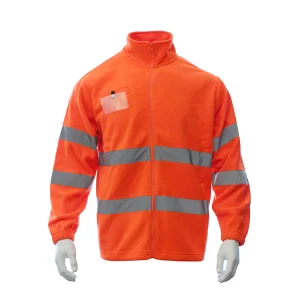
Explore our high-performance industrial workwear, cold storage apparel, and high-visibility protective gear engineered to meet strict EN & ASTM safety parameters.
Understanding the critical safety parameters, market growth dynamics, and operational compliance requirements for multi-hazard environments.
In high-risk industrial landscapes including oil and gas extraction, electrical utilities, petrochemical processing, metallurgy, and heavy manufacture, standard workwear poses a catastrophic threat during thermal incidents. Non-FR fabrics can ignite, melt onto the skin, and aggravate burn severities exponentially.
The global demand for certified Flame-Resistant (FR) apparel is driven by increasingly stringent legal safety mandates such as OSHA 29 CFR 1910.269 in the USA and similar regulatory frameworks in the EU (under PPE Regulation 2016/425). Procurement agents must distinguish between superficial compliance and verified product integrity.
B2B procurement professionals must balance protection, wearability, lifecycle cost, and supply chain accountability. Key purchasing factors include:
An engineering insight into polymer science, flame retardant chemistry, and modern multi-hazard shell jackets.
Inherent FR (IFR): Safety properties are integrated directly into the polymer chain. These cannot be washed out, maintaining their protective rating for the entire wear-life of the garment.
Treated FR (FRT): Premium long-staple cotton or synthetic blends are treated with chemical retardants (e.g., organophosphorus compounds). Modern tech guarantees this safety barrier lasts up to 50–100 laundry cycles.
For heavy downpours or toxic fluid environments, water will easily seep through stitched needle holes. Top factories utilize computerized hot-air seam-sealing machinery, high-frequency welding, and specialized polyurethane coatings.
This seals the garment structure, enabling it to surpass hydrostatic pressure requirements while preserving the structural flame-retardant layer.
Research and development in functional garments is centering on carbon nanotube integrations, color-changing heat warning sensors, phase-change materials (PCM) for dynamic insulation, and lighter weight matrices.
Modern factories are optimizing manufacturing techniques to lower costs while maximizing high-comfort ergonomics.
| Standard Directive | Geographical Region | Protective Focus | Typical Testing Methodology |
|---|---|---|---|
| EN ISO 20471 | European Union / Global | High-Visibility Warning Garments | Photometric assessment of retroreflective tapes and background fluorescent materials. |
| EN ISO 11612 (formerly EN 531) | European Union | Heat and Flame Protective Clothing | Measures limited flame spread, convective heat, radiant heat, and molten aluminum splash. |
| EN ISO 14116 (formerly EN 533) | European Union | Limited Flame Spread Materials | Assessment of flame spread characteristics and hole formation during horizontal exposure. |
| EN 343 | European Union | Protection Against Wet Weather / Rain | Hydrostatic head water penetration testing and water vapor resistance (breathability index). |
| NFPA 2112 / NFPA 70E | North America | Flash Fire & Electrical Arc Flash Hazard Protection | Instrumented thermal manikin testing (ASTM F1930) and electric arc exposure (ASTM F1959). |
Combining decades of industrial research, advanced machinery lines, and OEM/ODM capacity for leading global brands.
Fuzhou Jennie Fashion Co., Ltd. is a professional manufacturer with decades of experience in the rainwear and outdoor functional apparel industry. Over the years, we have developed strong expertise in sourcing, designing, and producing a wide range of high-quality garments, building a solid reputation in both domestic and international markets.
With advanced manufacturing facilities and a skilled production team, we are able to maintain strict quality control throughout every stage of production—from material selection to final inspection. This enables us to continuously deliver stylish, high-performance, and competitively priced products that meet diverse customer needs and comply with international standards, especially European regulations.
In addition to rainwear, we have successfully expanded our product lines to include outdoor wear and functional clothing such as body warmers, everyday jackets, casual pants, ski wear, and other performance apparel. Our products are widely supplied to well-known brands, reflecting our capability in both OEM and ODM services.
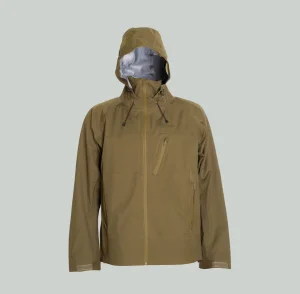
Made from 100% polyester, with or without TPU membrane, our softshell garments offer waterproof, breathable, lightweight, and stylish performance. They provide excellent comfort, warmth, and flexibility for outdoor and urban use.
We use high-quality stretchable PU, PVC, and EVA materials. All seams are fully welded to ensure maximum waterproof protection in heavy rain conditions. Products are available with or without printing and lining, and include jackets, pants, bib pants, and ponchos—designed to keep users dry and comfortable in all weather conditions.
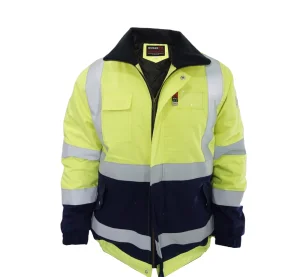
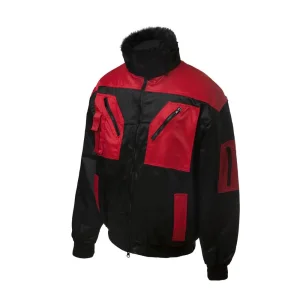
Our workwear collection includes Hi-Vis PU and non Hi-Vis PU options, with breathable or non-breathable fabrics and optional lining. Designed for safety and durability, these products comply with standards such as EN ISO 20471, EN 343, EN 531, and EN 533. The range includes jackets, pants, coveralls, bib pants, and padded parkas, ensuring protection, visibility, and comfort in demanding work environments.
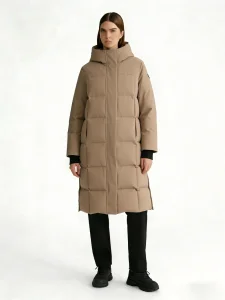
Crafted from 100% nylon or polyester with functional coatings, our outdoor wear includes padded or non-padded designs. With waterproof and breathable performance and fully taped seams, these garments are ideal for skiing, hiking, sports, and other outdoor activities, combining functionality with modern fashion aesthetics.
Take a virtual step inside our facilities. Every line is optimized for safety, precision, and adherence to international PPE metrics.
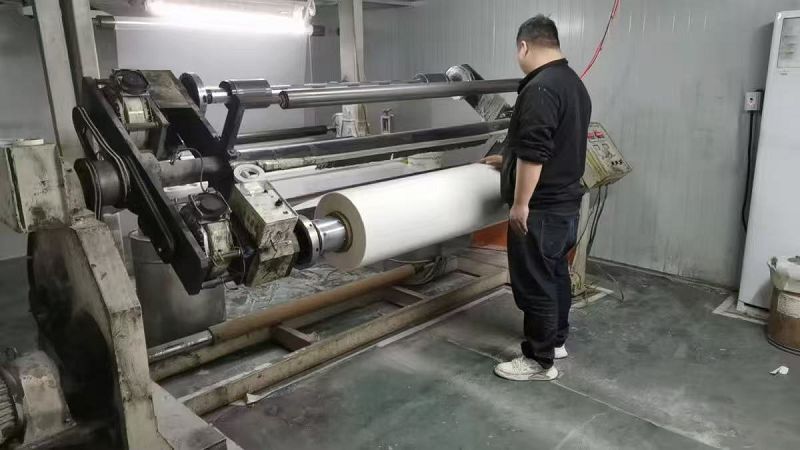
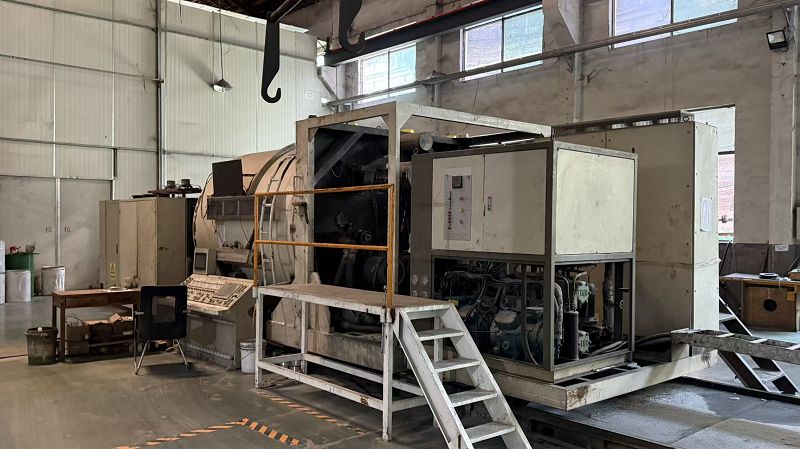
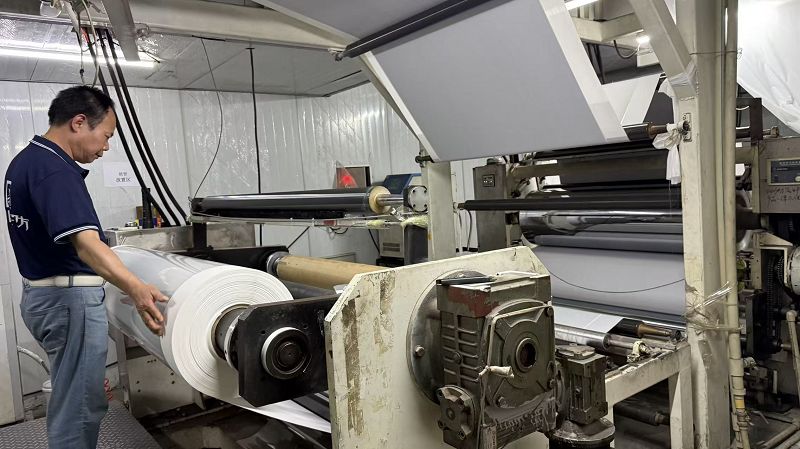
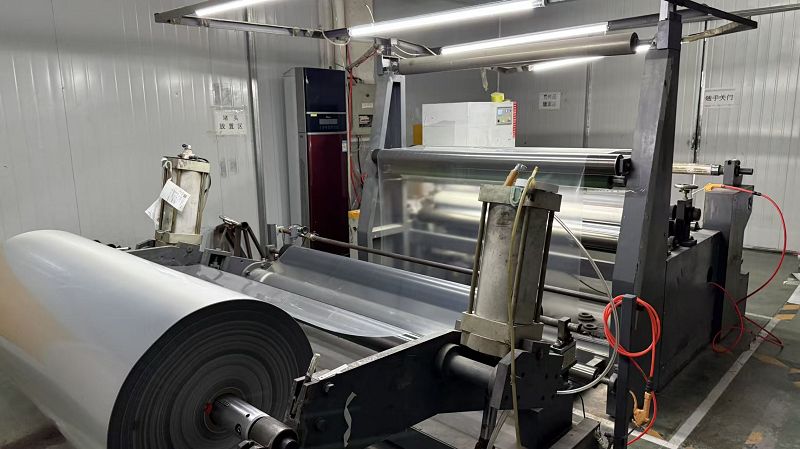
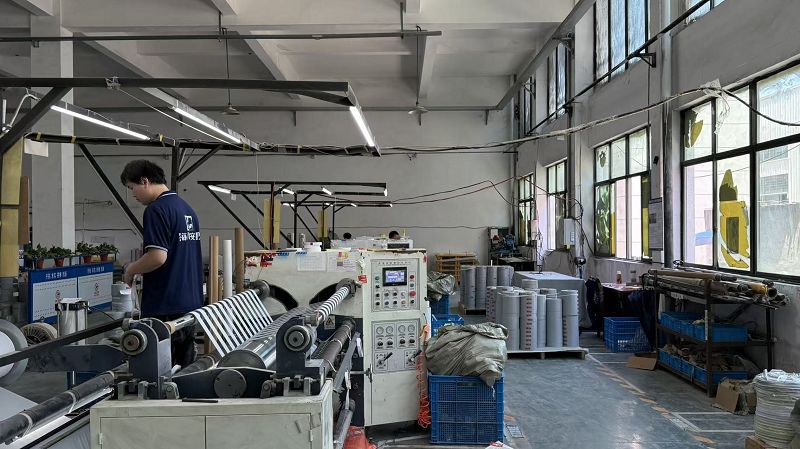
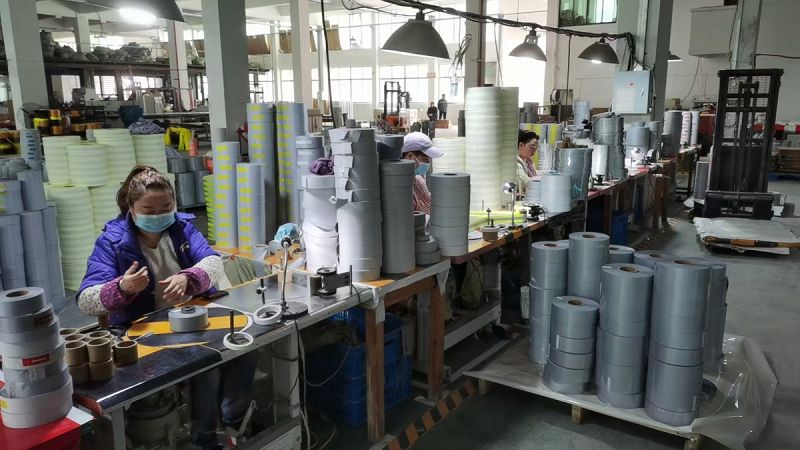
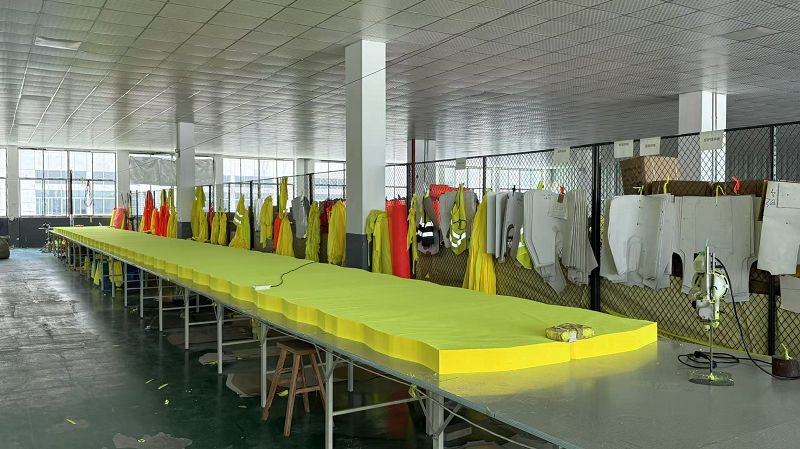
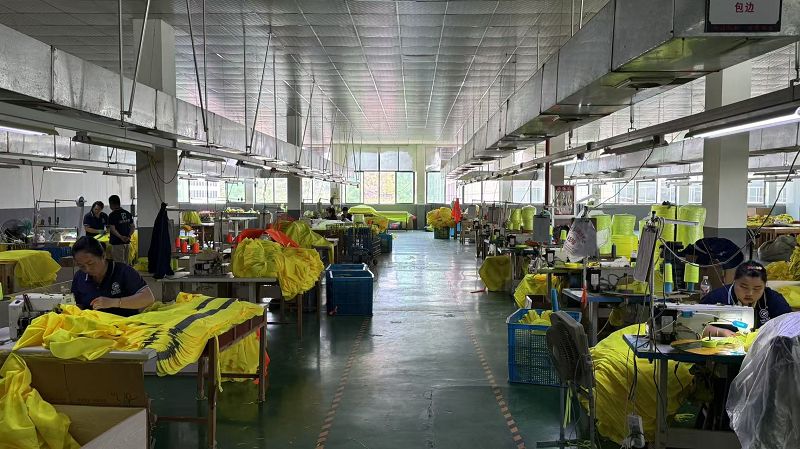
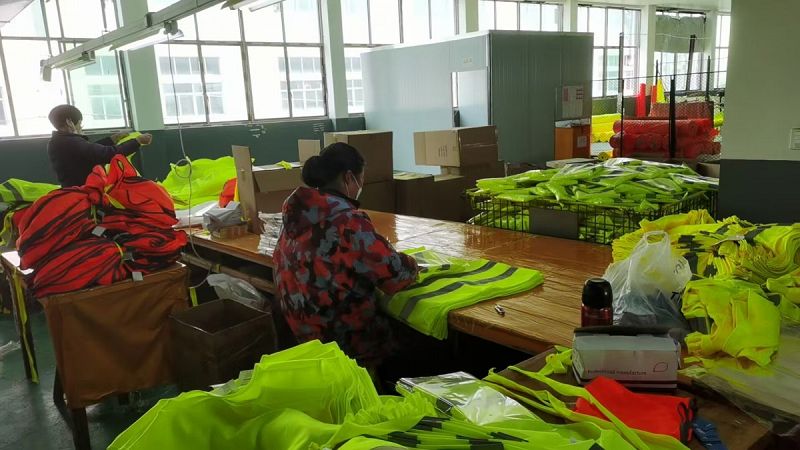
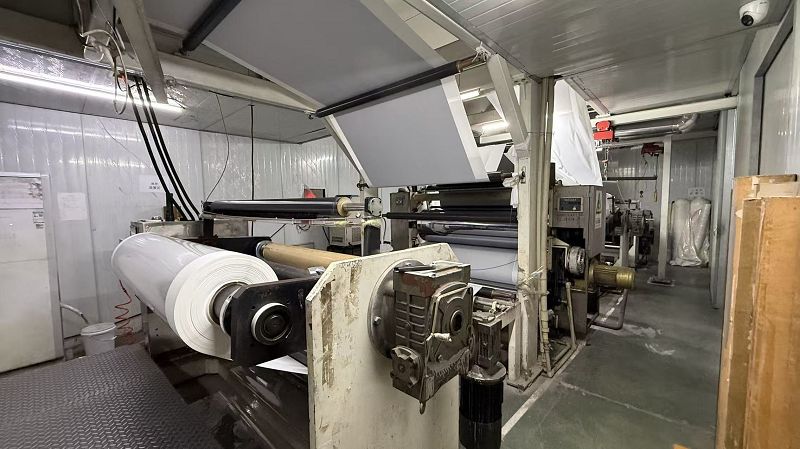
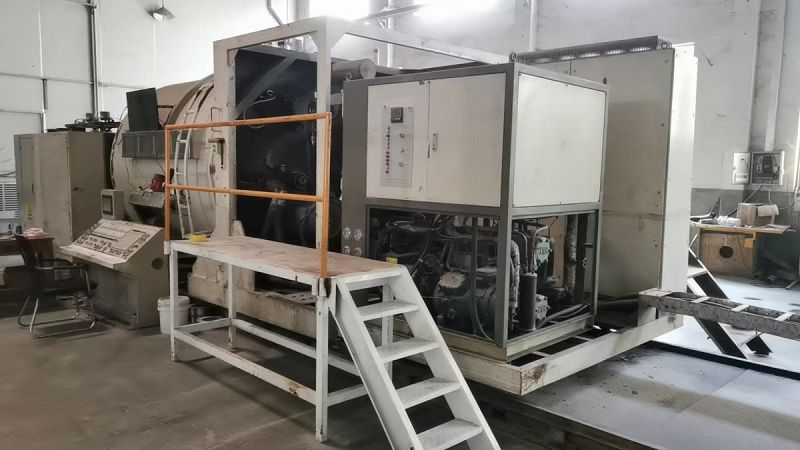
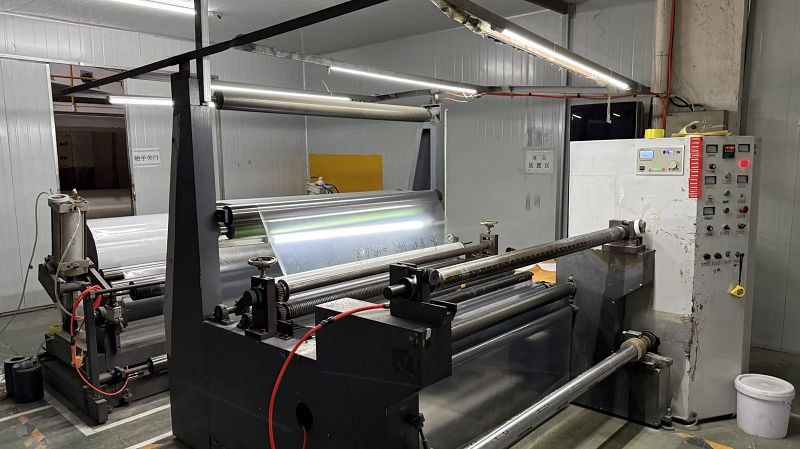
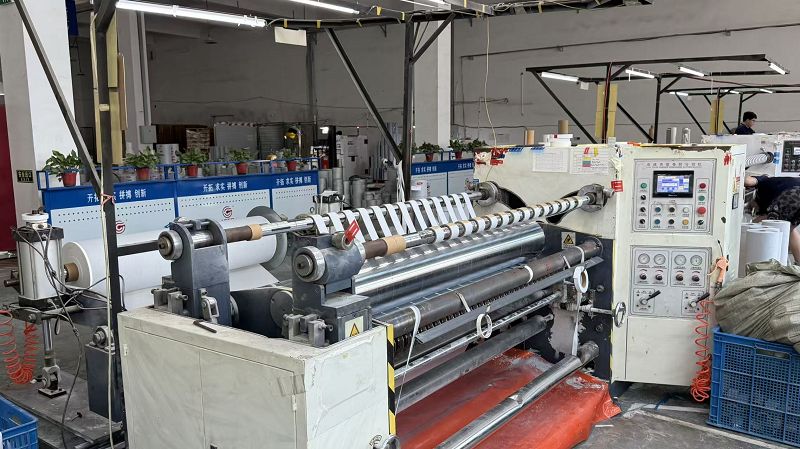
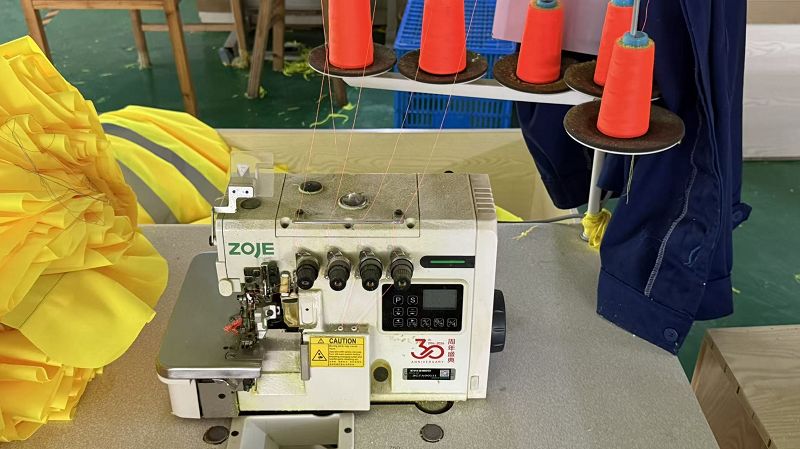
At Fuzhou Jennie Fashion Co., Ltd., we are committed to innovation, quality, and customer satisfaction. We continuously invest in product development and sustainable manufacturing practices to better serve global partners and adapt to evolving market trends. Our goal is to deliver reliable, functional, and stylish apparel that enhances both everyday life and professional performance.
Ensuring frictionless importing, standard compliance, and target support solutions for global procurement operations.
Frictionless EU importing demands compliance with CE certifications and PPE Category II & III regulations. Our manufacturing protocols verify compliance with EN ISO 20471 for high-visibility and EN 343 for extreme water resistance. We prepare full Technical Files for quick customs declaration.
We tailor specialized products matching NFPA 2112 (flash fire protective garments) and ANSI/ISEA 107 standards. Optional modifications include specific heavy duty Nomex sewing threads, flame-resistant zippers, and triple needle stitch adjustments to satisfy OSHA mandates.
We manage raw material sourcing, sample prototyping, strict factory quality control audits, and shipping logistics. Our automated machinery ensures repeatable tolerances, minimizing lead-times and maintaining competitive pricing structures.
Answering high-intent technical and commercial inquiries regarding compliance, lifespan, fabric engineering, and sourcing.
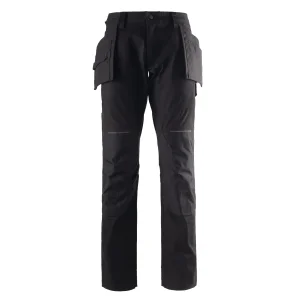
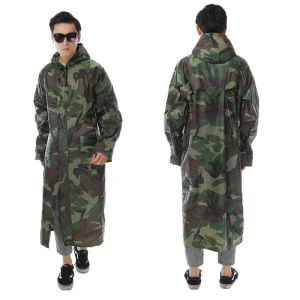
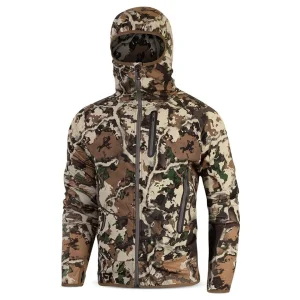
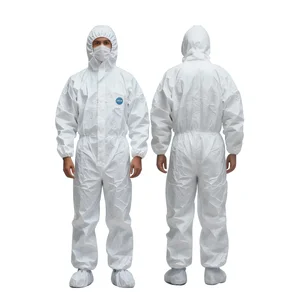
Complete your fleet protective system with heavy-duty trousers, high-performance waterproof softshell jackets, and specialized protective suits.
 Jennie Fashion