Jennie Fashion
Global Industry Overview & Commercial Landscape
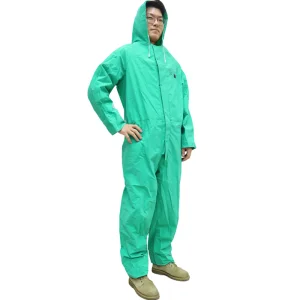
In high-risk industrial environments, selecting personal protective equipment (PPE) is a critical decision that impacts operational integrity, regulatory compliance, and worker safety. The global market for industrial waterproof overalls is undergoing a major evolution, driven by regulatory changes, material science innovations, and shifting occupational hazards. Industrial waterproof overalls are no longer just basic garments to keep rain out; they are now engineered multi-hazard defense systems.
According to market data, the global industrial protective apparel market is growing at a stable CAGR of over 6.2%. This growth is driven by stricter enforcement of occupational health and safety rules across regions like the EU, North America, and emerging economies in Asia-Pacific. Heavy industries such as petrochemical refinement, offshore wind energy, maritime operations, and complex civil infrastructure projects require apparel that can withstand tough conditions. These garments must keep water out while remaining breathable, resisting tearing, and preventing hazards like static buildup and flame flashovers.
Procurement teams and HSE (Health, Safety, and Environment) directors must balance two main factors: the total cost of ownership and strict safety parameters. High-performance waterproof overalls need to manage moisture vapor release to prevent heat stress, while maintaining water column barriers up to 20,000 mm. Working with an OEM/ODM manufacturing partner who controls the raw materials, lamination, seam sealing, and quality assurance processes is key to securing durable, certified PPE.
Information Gain Alert: The Micro-climate Coefficient
Standard PVC-coated overalls can trap body heat, which increases sweat buildup and raises the user's heart rate by up to 15% in high-activity roles. Using TPU membranes with a high Moisture Vapor Transmission Rate (MVTR) helps regulate the body's micro-climate, reducing heat-related fatigue and improving long-term productivity.
Macro-Industry Protective Solutions
Different sectors require targeted material formulations. Industrial waterproof overalls must perform reliable safety functions tailored to specific industrial environments:
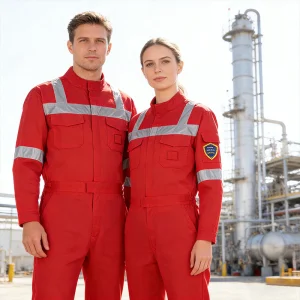
- Petrochemical & Gas Refineries: Workwear must protect against chemical exposure, resist oil and grease, and include anti-static properties (using carbon-infused conductive grids) to prevent spark hazards in volatile atmospheres.
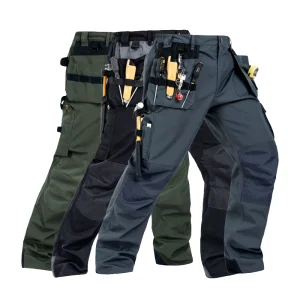
- Infrastructure Engineering & High-Velocity Construction: Needs high abrasion resistance (using canvas/nylon fabrics) along with EN ISO 20471 high-visibility retroreflective materials for low-light safety.
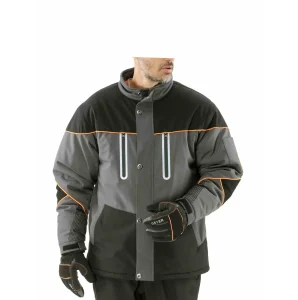
- Cold Chain & Arctic Logistics: Requires combining waterproof outer shells with internal thermal insulation (such as heated elements or fleece layers) to protect against cold-induced hypothermia.
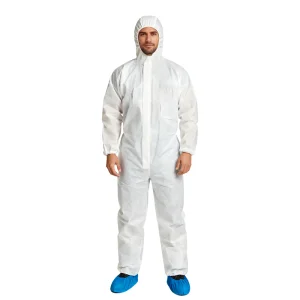
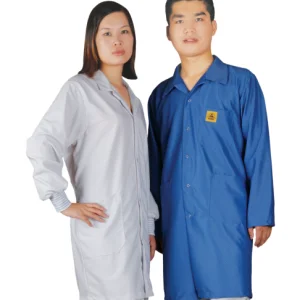
- Cleanroom & Micro-Electronics Assembly: Requires ESD-safe, lint-free knitted fabrics to protect delicate electronic components from electrostatic discharge and airborne dust contamination.
| Industry Sector | Primary Risk Profile | Mandatory Certification | Optimal Material Composition |
|---|---|---|---|
| Petrochemicals | Liquid chemicals, hydrocarbon splash, ESD risk | EN 1149, EN 13034 Type 6, EN 343 | PU coated polyester + conductive carbon yarn grid |
| Maritime & Offshore | Heavy ocean spray, high wind, mechanical wear | EN 343 Class 4:4, EN ISO 20471 Class 3 | Heavy-duty TPU membrane laminated with Cordura backing |
| Civil Construction | Abrasion, vehicle impact, rain exposure | EN ISO 20471, EN 343 Class 3:1 | High-tensile oxford weave polyester with PU backing |
| High-Tech Electronics | Electrostatic damage, dust contamination | EN 61340-5-1, ESD Protection | 98% polyester with 2% carbon fiber in a 5mm diamond grid |
About Fuzhou Jennie Fashion Co., Ltd.
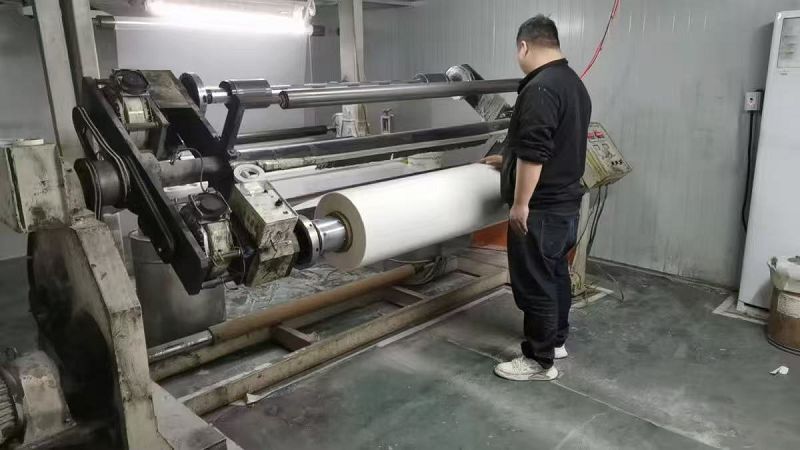
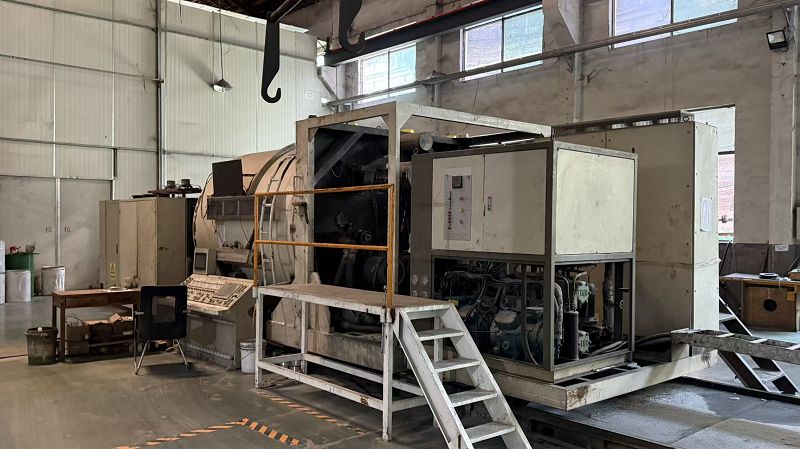
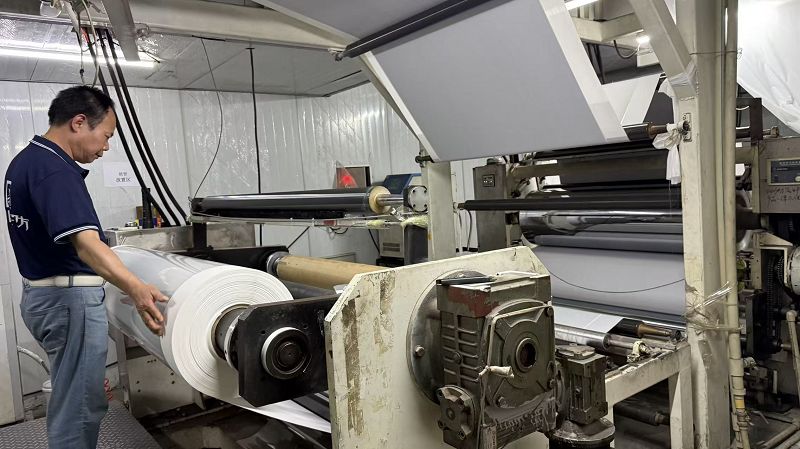
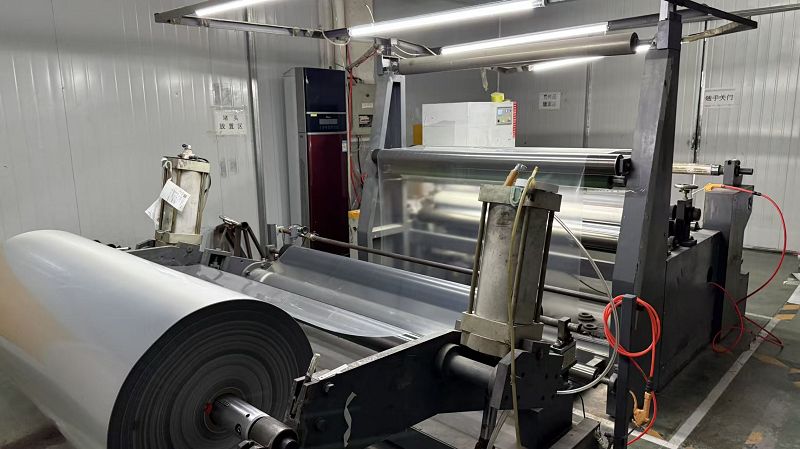
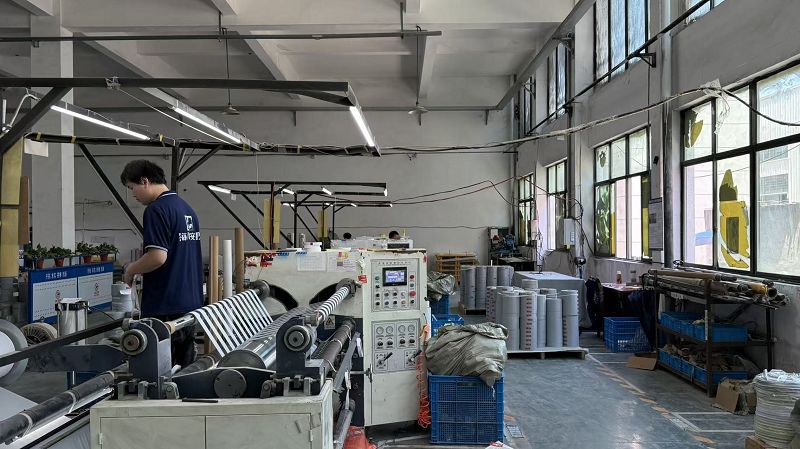
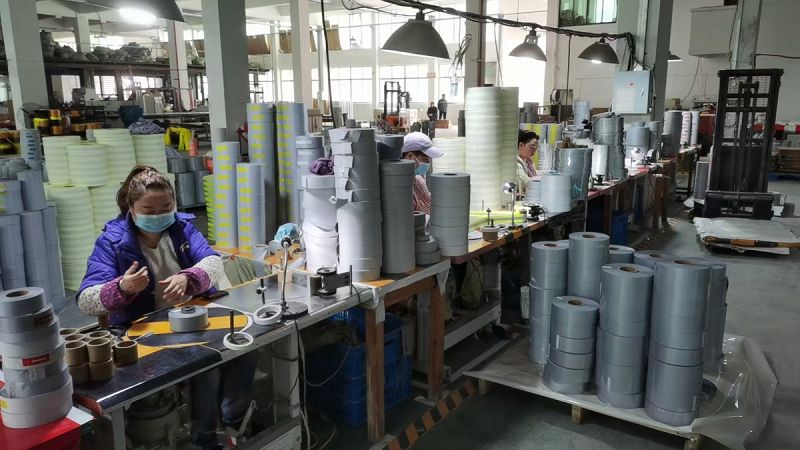
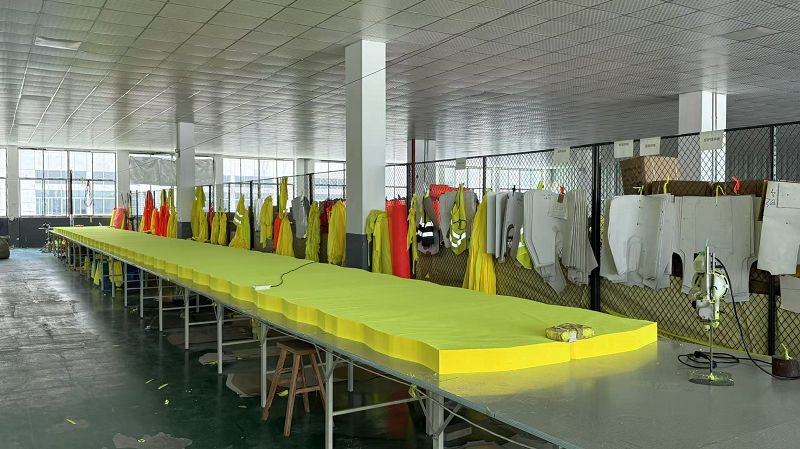
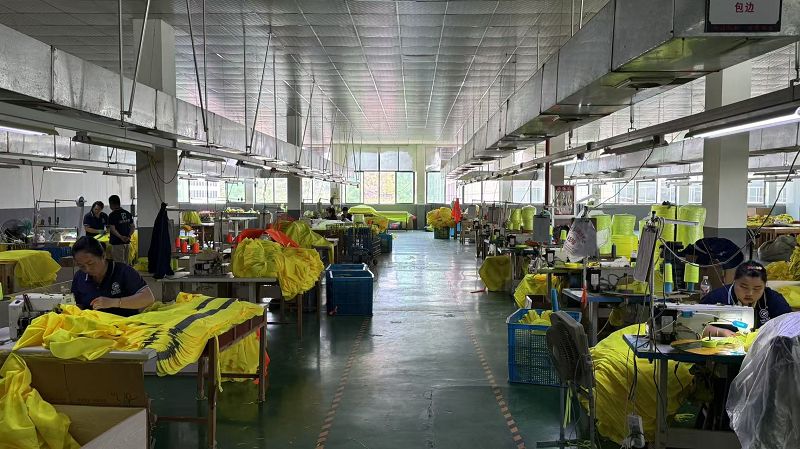
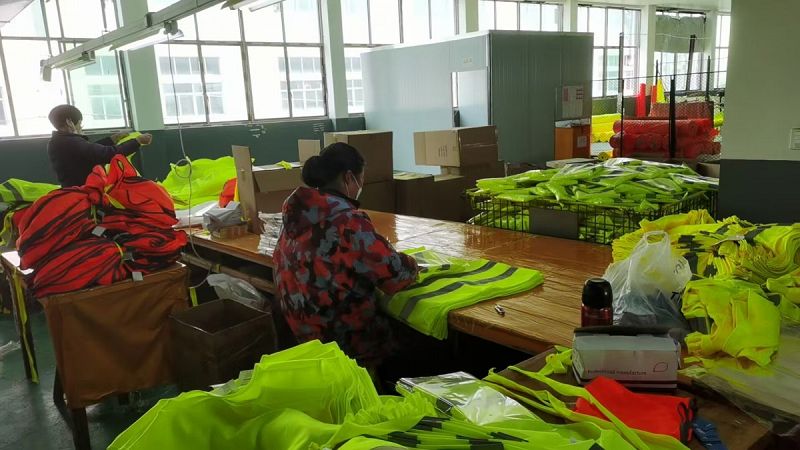
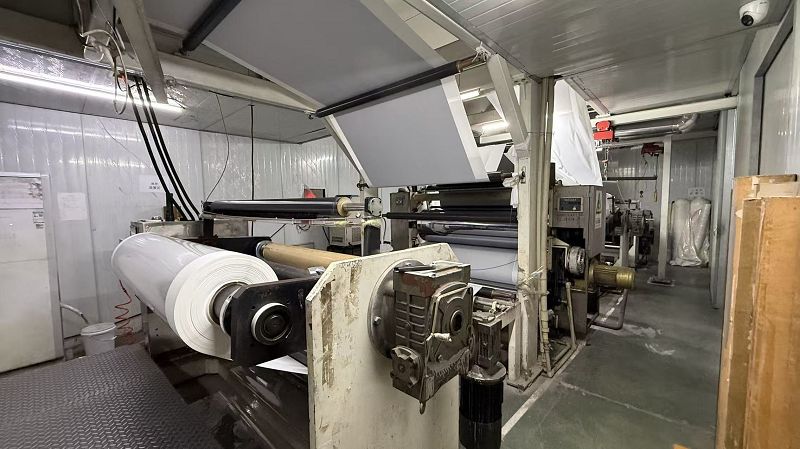
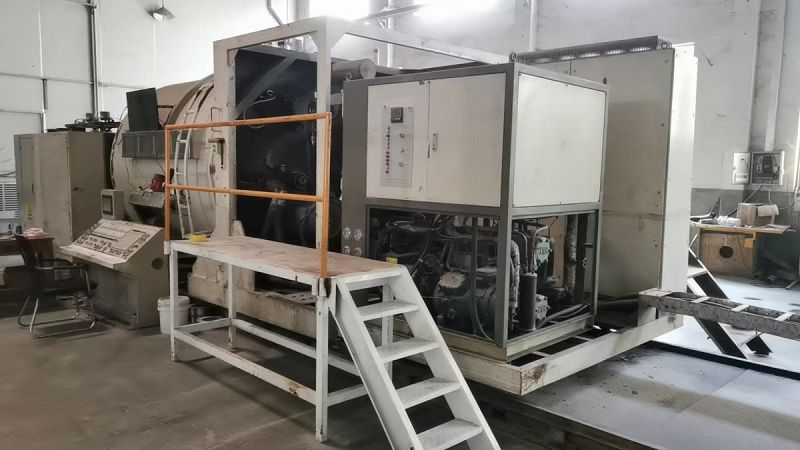
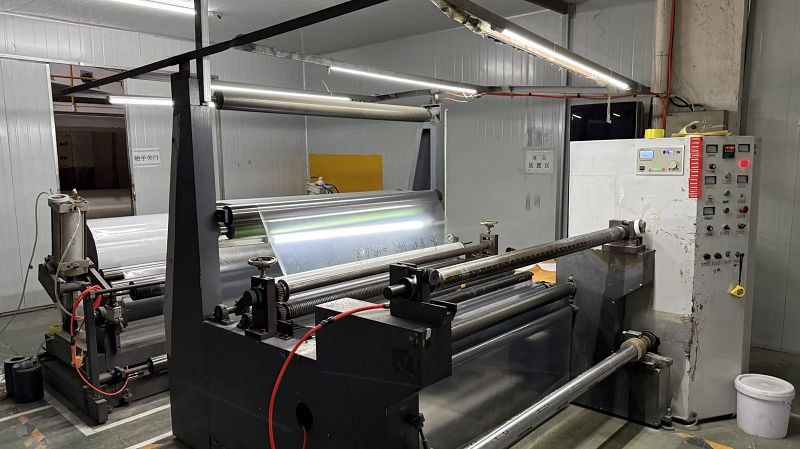
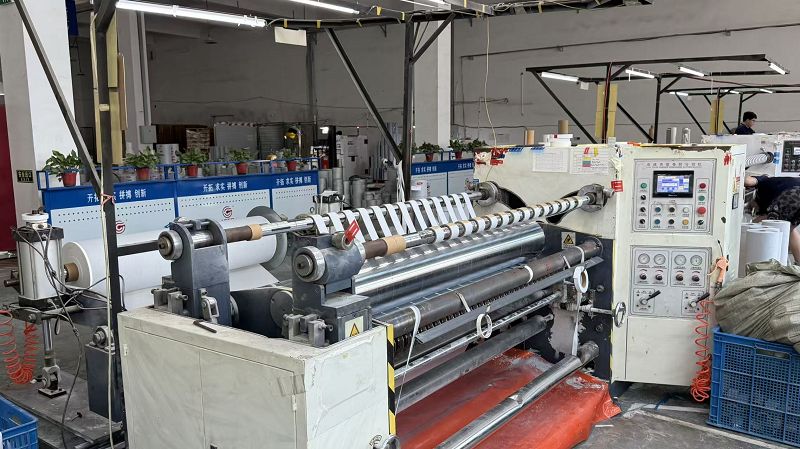
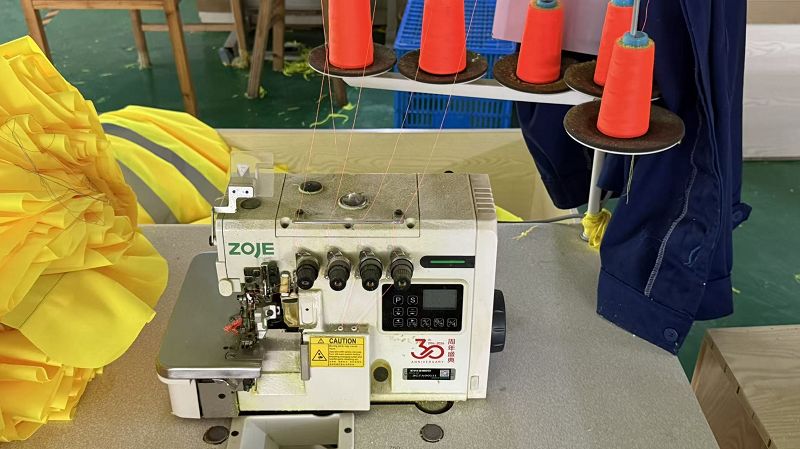
As an established industrial manufacturer in the protective and rainwear apparel industry, Fuzhou Jennie Fashion Co., Ltd. has spent decades building production expertise and refining its supply chains. We operate advanced manufacturing facilities focused on material selection, lamination technology, high-frequency seam welding, and multi-stage testing.
Our capability ranges from OEM/ODM production of rainwear and outdoor gear to complex, multi-certified safety uniforms that comply with European and North American regulations. We continuously update our factories to maintain consistent quality, competitive pricing, and reliable delivery times for global PPE distributors.
Core Product Architectures & Features
We design our product range to cover different performance tiers, ensuring the right combination of protection and comfort for various tasks:
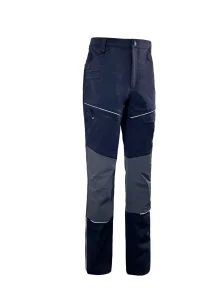
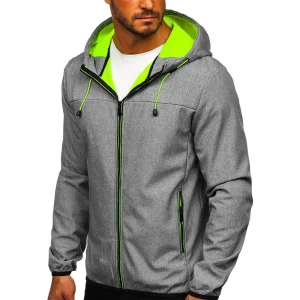
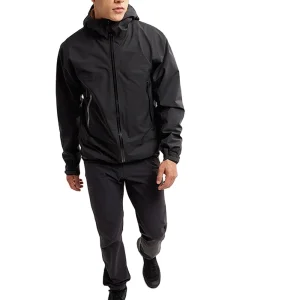
- Softshell Series: Made from 100% polyester fabric, with options for a TPU membrane. This creates a waterproof, breathable, and windproof fabric that offers flexibility and thermal regulation for active outdoor work.
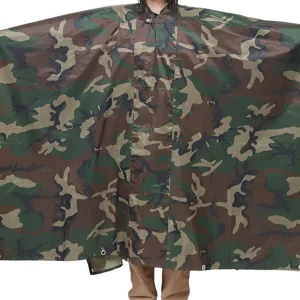
- Rainwear Series: Uses high-frequency welded stretchable PU, PVC, and EVA materials. The seams are fully welded rather than sewn, creating a complete barrier against water intrusion in high-pressure storm conditions.
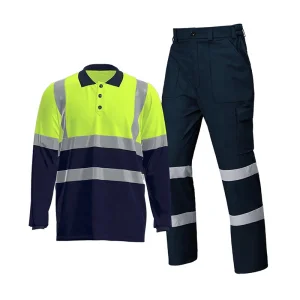
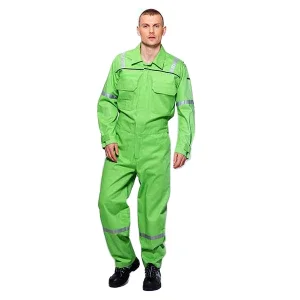
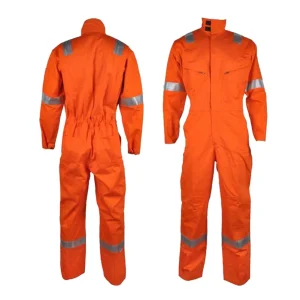
- Workwear Series: Designed for high-risk job sites, featuring fluorescent backgrounds with retroreflective glass-bead tapes. This series complies with EN ISO 20471, EN 343, EN 531, and EN 533 to handle fire, chemical, and rain hazards simultaneously.
- Outdoor Wear Series: Combines tough, high-tear-resistant fabrics (such as ripstop nylon) with breathable coatings and fully taped seams. This series is designed for long-term comfort during physical outdoor tasks in remote areas.