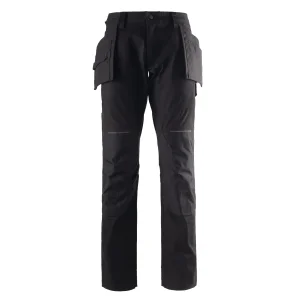
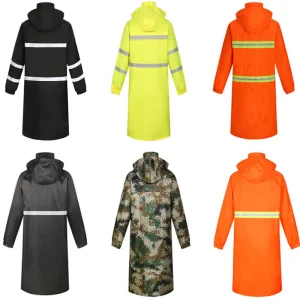
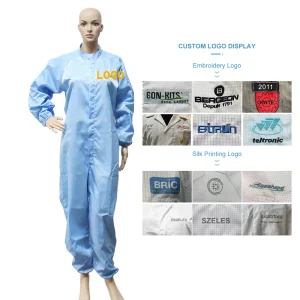
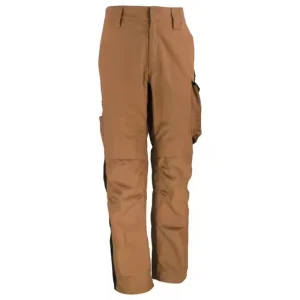
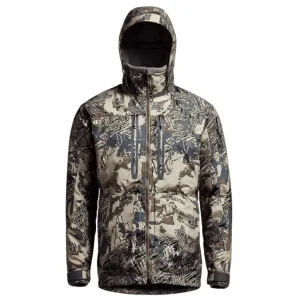
Engineered to meet international industrial standards including EN ISO 20471, EN 343, and advanced cold climate certifications.
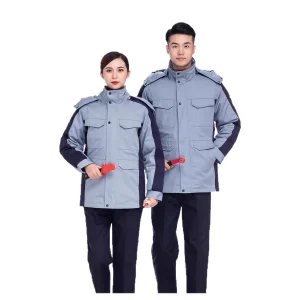
The industrial landscape for functional outerwear, specifically thermal insulated jackets, has shifted from mere cold-weather protection to a complex matrix of ergonomic compliance, thermodynamic regulation, and safety requirements. As multinational enterprises emphasize workplace safety and environmental stewardship, the global demand for multi-norm protective wear continues to grow. High-performance thermal jackets are no longer designed solely for low-temperature environments; they are engineered to resist physical hazards, offer static dissipation, protect against rain, and provide high visibility in high-risk zones.
In regions such as Northern Europe, Canada, and the Midwestern United States, the construction, oil & gas, warehousing, and power grid maintenance sectors operate continuously in sub-zero environments. Ensuring human thermoregulation under these conditions is critical. Research indicates that maintaining a stable core temperature directly impacts physical coordination, cognitive focus, and work output. Professional manufacturing centers like Fuzhou Jennie Fashion Co., Ltd. design specialized outerwear systems that maintain body warmth while allowing vapor transition, preventing internal dampness which can lead to rapid heat loss and hypothermia.
Thermal insulation in high-performance garments depends on keeping warm air trapped close to the skin. Traditional thick wool and down fillings are increasingly replaced by modern multi-component synthetic chambers. These systems feature specialized structural profiles:
Our vertically integrated manufacturing processes feature advanced technical treatment and laminating equipment for outdoor performance apparel.
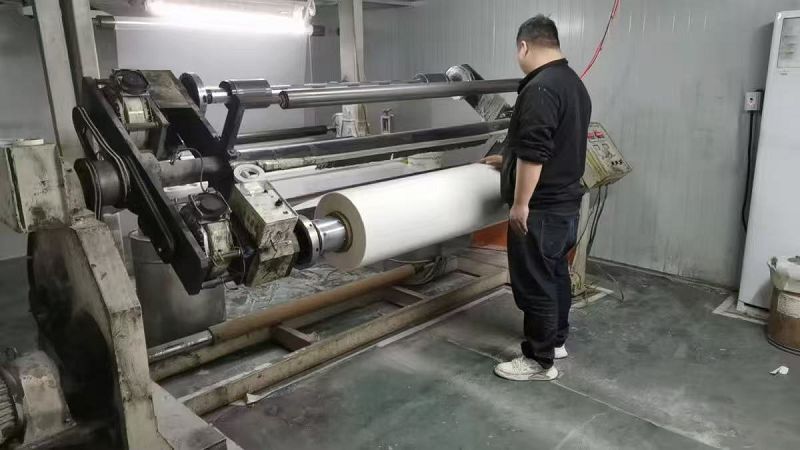
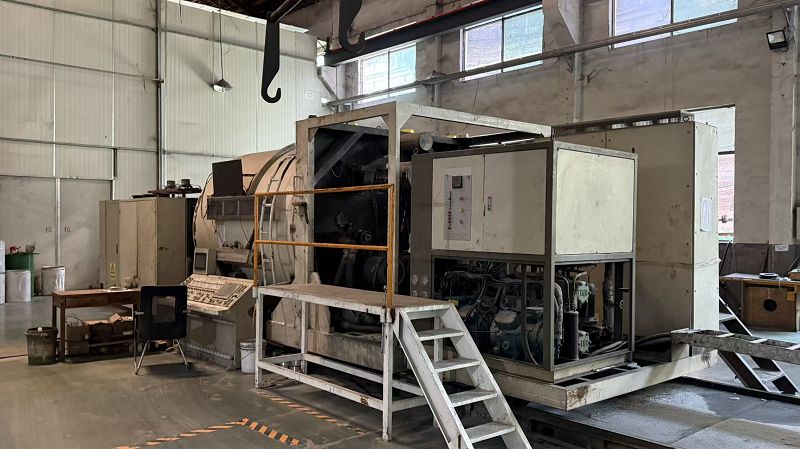
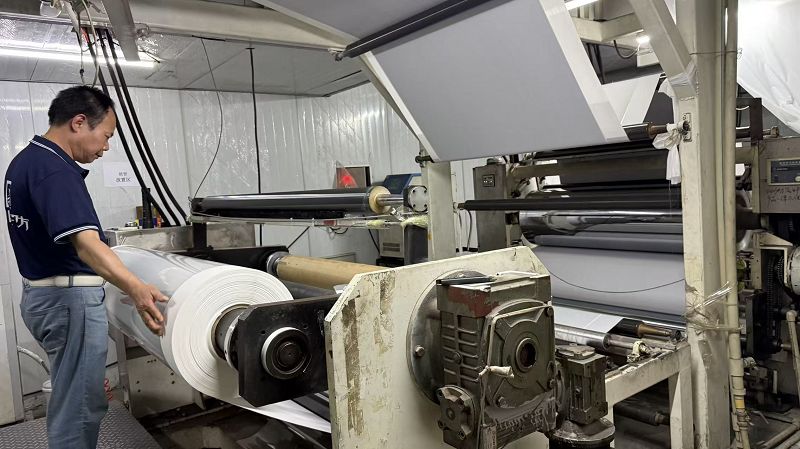
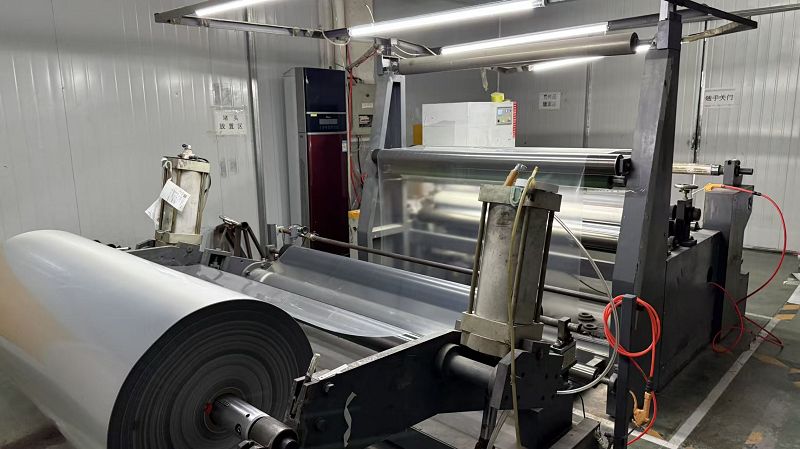
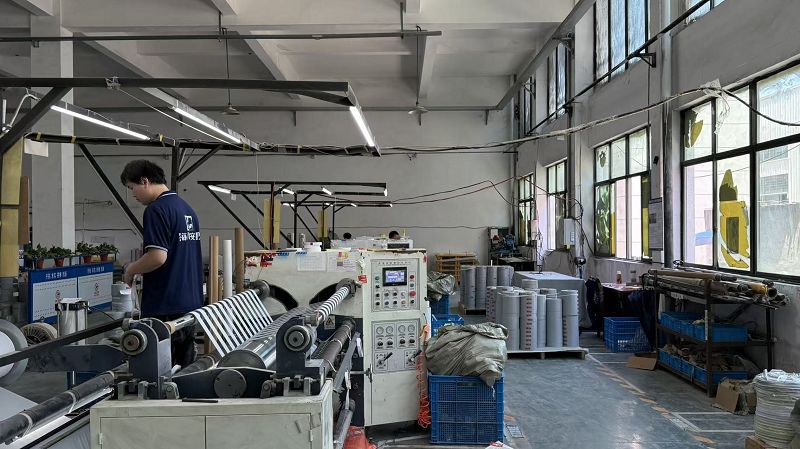
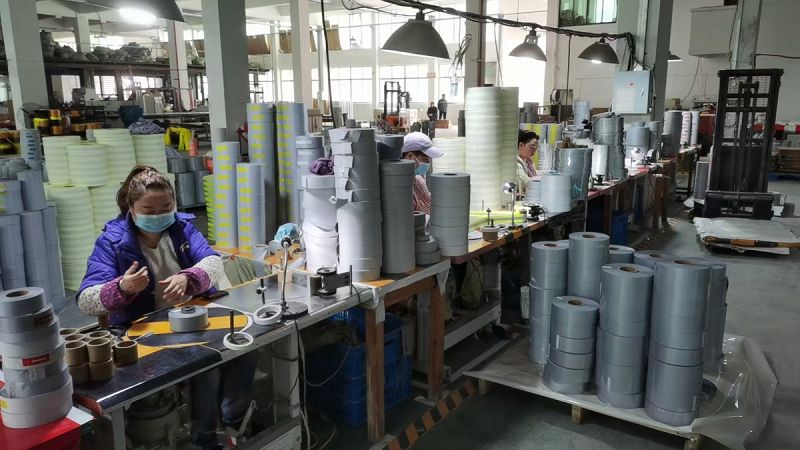
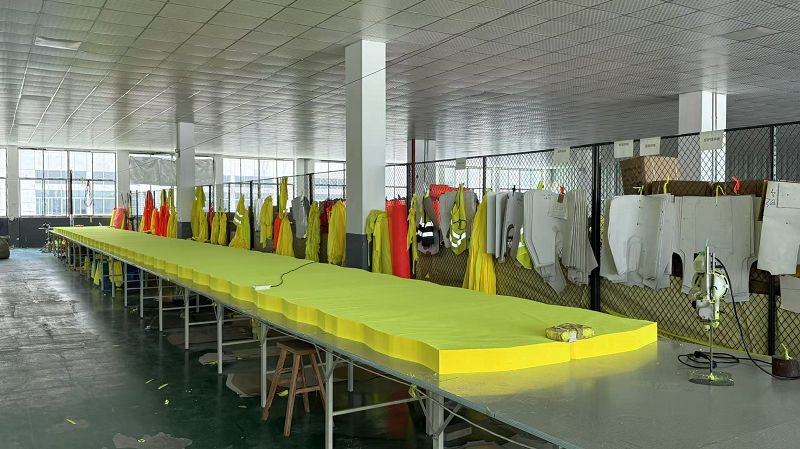
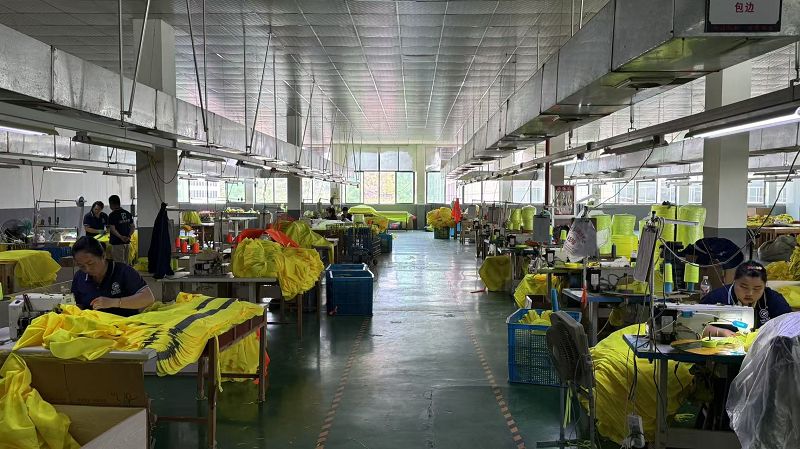
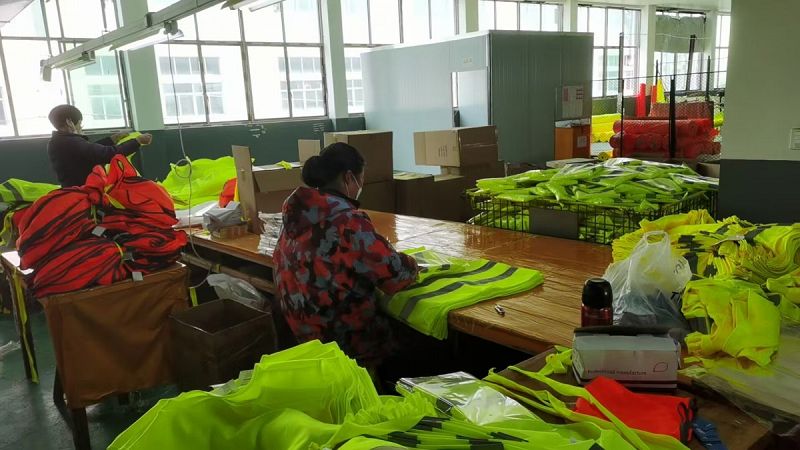
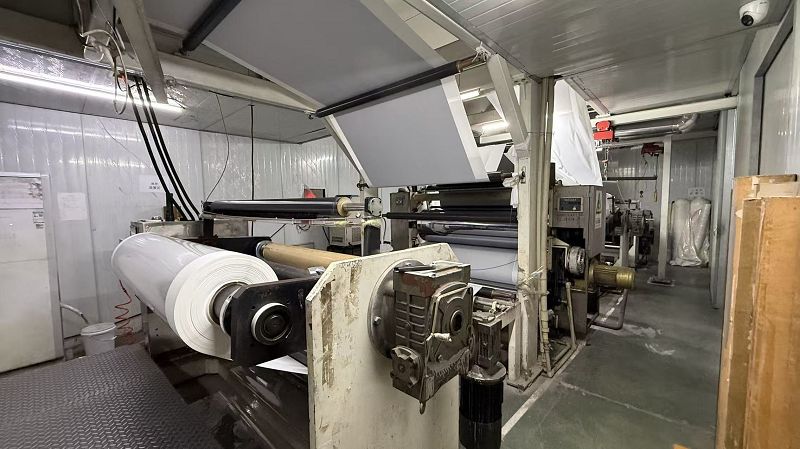
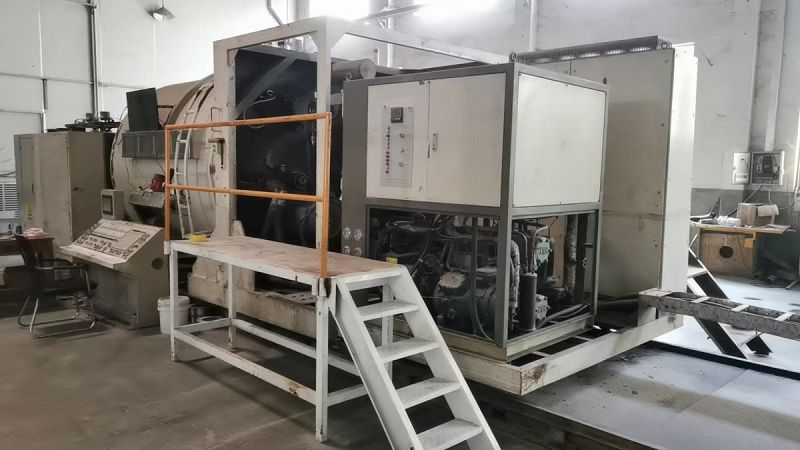
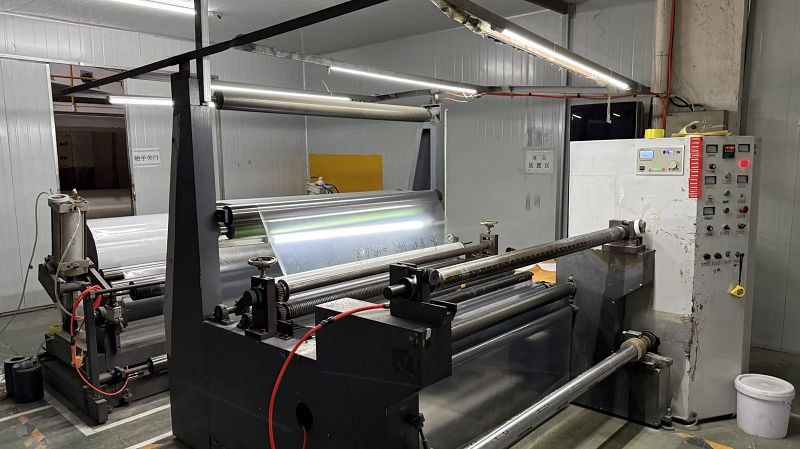
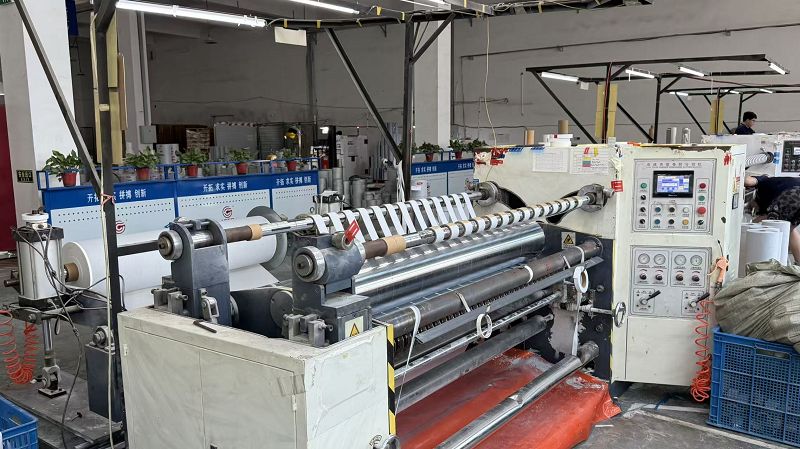
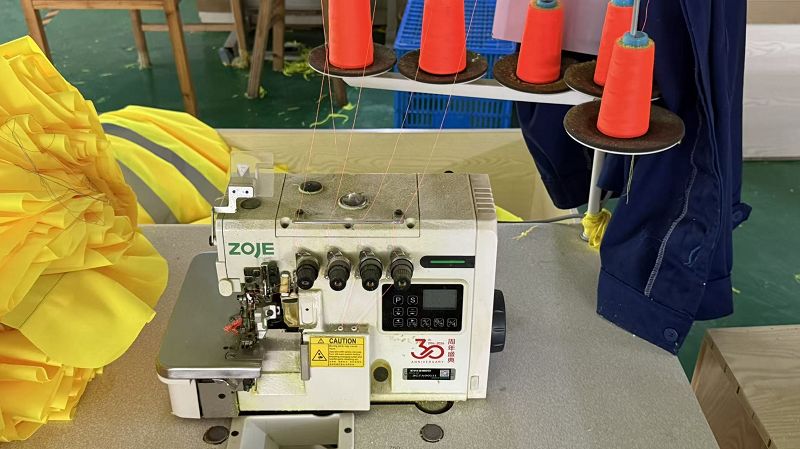
The performance outerwear sector is undergoing a rapid transition toward functional, sustainable technology. Manufacturers are re-evaluating core fabric construction to meet regulatory requirements while maintaining excellent protection.
Phasing out perfluorinated chemicals (PFCs) in favor of bio-based DWR finishes that keep fabrics dry without using persistent chemicals.
Integrating micro-thin aluminum and graphene arrays to improve thermal distribution, reduce cold spots, and actively dissipate static charges.
Using post-consumer PET bottles to create high-loft insulation wadding that maintains structural resilience and warmth even when damp.
Industrial clients are shifting from seasonal purchasing to structural lifecycles, selecting garments based on long-term durability. Double-stitched seams, high-cycle zippers, and abrasion-resistant shell designs extend garment lifespan, lowering overall replacement costs.
Engineered by Fuzhou Jennie Fashion Co., Ltd. for diverse environmental requirements.
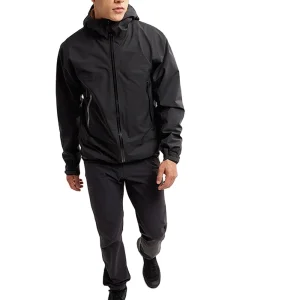
Made from 100% polyester, with or without a TPU membrane, our softshell garments offer waterproof, breathable, lightweight, and stylish performance. They provide excellent comfort, warmth, and flexibility for outdoor and urban use.
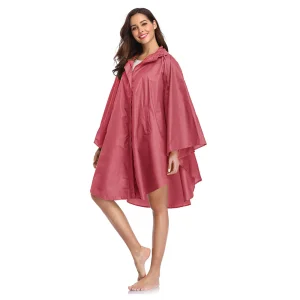
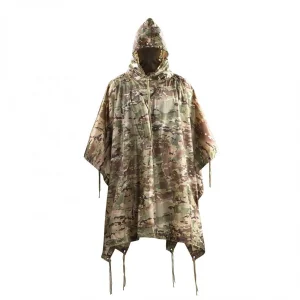
We use high-quality stretchable PU, PVC, and EVA materials. All seams are fully welded to ensure maximum waterproof protection in heavy rain. Products are available with or without printing and lining, and include jackets, pants, bib pants, and ponchos designed to keep users dry and comfortable in all weather conditions.
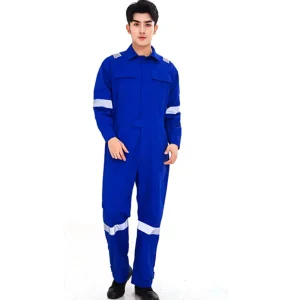
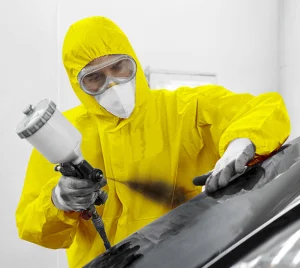
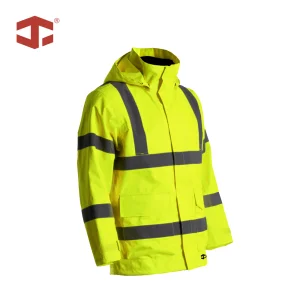
Our workwear collection includes Hi-Vis PU and non Hi-Vis PU options, with breathable or non-breathable fabrics and optional lining. Designed for safety and durability, these products comply with international standards such as EN ISO 20471, EN 343, EN 531, and EN 533. The range includes jackets, pants, coveralls, bib pants, and padded parkas, ensuring protection, visibility, and comfort in demanding work environments.
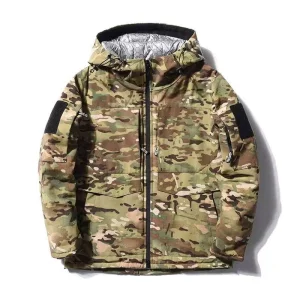
Crafted from 100% nylon or polyester with functional coatings, our outdoor wear includes padded or non-padded designs. With waterproof and breathable performance and fully taped seams, these garments are ideal for skiing, hiking, sports, and other outdoor activities, combining functionality with modern fashion aesthetics.
Protective clothing must adapt to different working environments. A standard cold-storage parka differs significantly from an offshore wind farm shell. Below are key configurations designed for specific industrial challenges:
| Sector | Environmental Risk Factors | Required Technical Solution |
|---|---|---|
| Offshore Energy & Marine | Salt spray, extreme winds, freezing water spray, low visibility. | EN 343 Class 4:4 laminated PU shell with welded seams, high-visibility neon yellow backing, and salt-resistant zippers. |
| Cold Storage & Logistics | Continuous exposure to sub-zero temperatures down to -30°C, condensation. | High-loft synthetic down fill (200g/m²) combined with breathable softshell membranes to prevent perspiration build-up. |
| Petrochemical Infrastructure | Flammable vapors, electrostatic build-up, cold rain. | EN 531/533 flame-retardant outer shell with woven anti-static carbon fibers (98% polyester, 2% conductive fiber). |
Our localized adaptation program ensures that garments meet regional safety regulations. For example, North American markets require compliance with ANSI/ISEA 107 standards, while European operations require EN ISO 20471 high-visibility and EN 343 wet weather protective certifications.
Frequently asked technical questions regarding functional outer layers, membranes, and manufacturing specifications.
Heavy-duty outerwear and safety solutions engineered for extreme environmental protection.
 Jennie Fashion