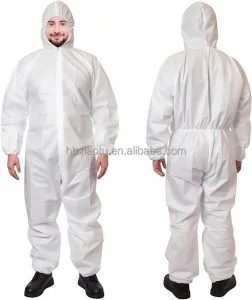
In the global performance apparel and B2B safety clothing sector, the demand for windproof fleece jackets and specialized technical laminates has experienced an unprecedented surge. Sourcing managers and corporate procurers are no longer looking for basic thermal insulation. Instead, they demand multi-layered functional structures that protect against windchill, control perspiration via advanced Breathable Moisture Vapor Transmission (MVTR), and withstand harsh industrial conditions.
Historically, standard fleece offered high warmth-to-weight ratios but was heavily prone to convection heat losses under windy conditions. Modern manufacturing practices, led by innovative pioneers such as Fuzhou Jennie Fashion Co., Ltd., have resolved this issue by bonding soft, warm fleece with an inner technical membrane—often polyurethane (TPU) or expanded polytetrafluoroethylene (ePTFE)—and a highly durable outer shell. This complex three-layer laminate represents the pinnacle of modern workwear, safety wear, and outdoor high-altitude clothing.
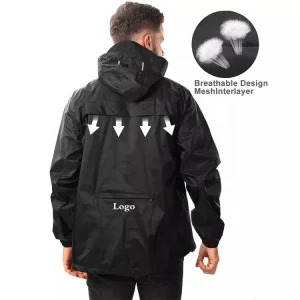
To achieve reliable windproof properties while maintaining wearer breathability, top factories implement advanced bonding techniques. Under high pressure and heat, a TPU membrane is sandwiched between the outer shell fabric (often high-density woven polyester or nylon) and the inner fleece lining. The membrane acts as a microporous barrier. The microscopic pores are large enough to let moisture vapor (sweat) escape, but too small for wind molecules and water droplets to penetrate. This technology ensures optimal thermoregulation even in environments with wind speeds exceeding 50 km/h.
A premium B2B manufacturer must excel in vertical product diversity. A showcase of the standard product categories manufactured by Fuzhou Jennie Fashion Co., Ltd. outlines how modern materials are converted into highly specific commercial series:
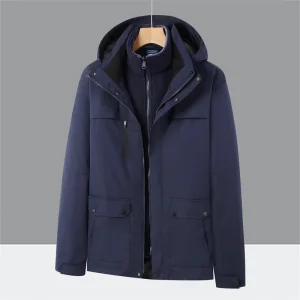
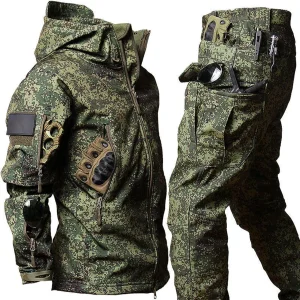
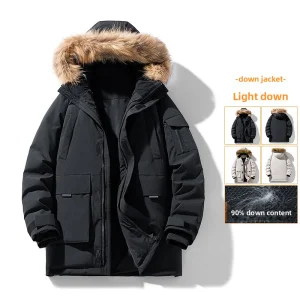
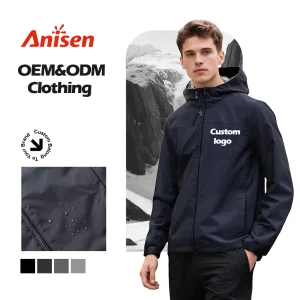
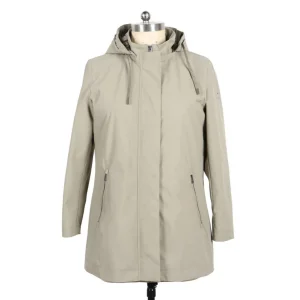
Made from 100% polyester, with or without TPU membrane. Waterproof, breathable, lightweight, and stylish. These softshell garments provide superior comfort, warmth, and maximum flexibility for outdoor activities and modern urban use.
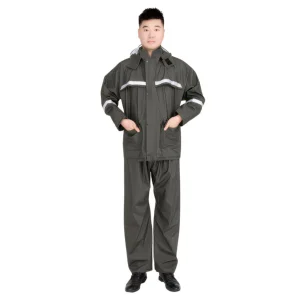
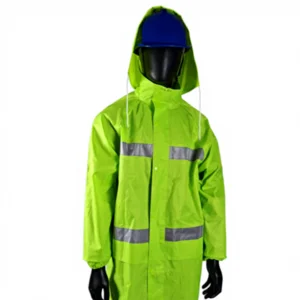
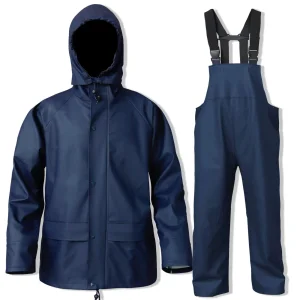
Crafted from high-quality stretchable PU, PVC, and EVA materials. All seams are fully welded to guarantee maximum waterproof protection in heavy rain. Available with custom printing, lining, and structured designs.
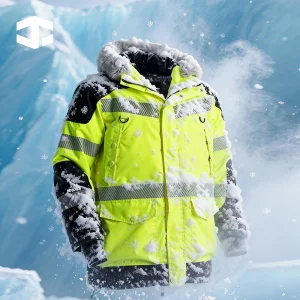
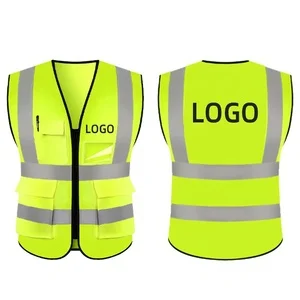
Includes Hi-Vis PU and non-Hi-Vis PU configurations. Features breathable or non-breathable fabrics with optional insulation. Certified under international B2B regulatory standards, ensuring comfort and protection.
Engineered from 100% nylon or polyester with functional technical coatings. Padded and non-padded designs feature taped seams, optimizing them for skiing, mountaineering, hiking, and dynamic outdoor sports.
Global B2B procurement is highly sensitive to lead times, quality stability, and capacity scaling. Fuzhou Jennie Fashion Co., Ltd. demonstrates why China remains the undisputed global hub for functional outdoor clothing. By operating vertically integrated production lines—ranging from coating and laminating to precision sewing and testing—the factory minimizes lead times and maintains an unyielding hold on quality.
Below is a transparent look into our physical production facilities, illustrating our dedication to structural reliability, raw material handling, and state-of-the-art machinery:
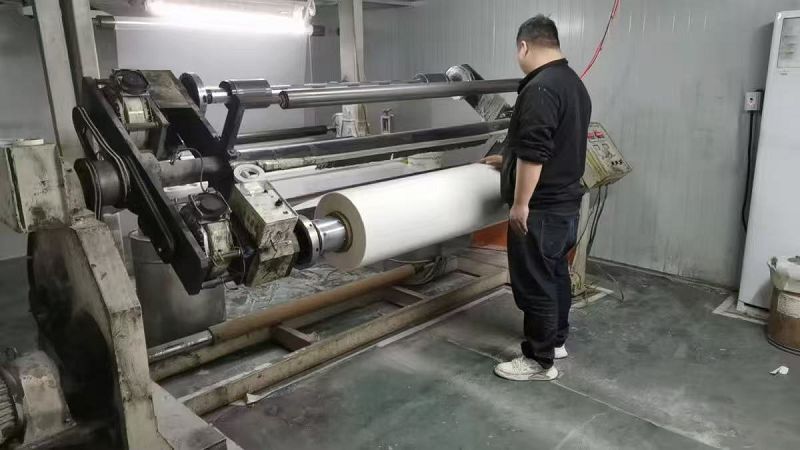
Planting beads Line
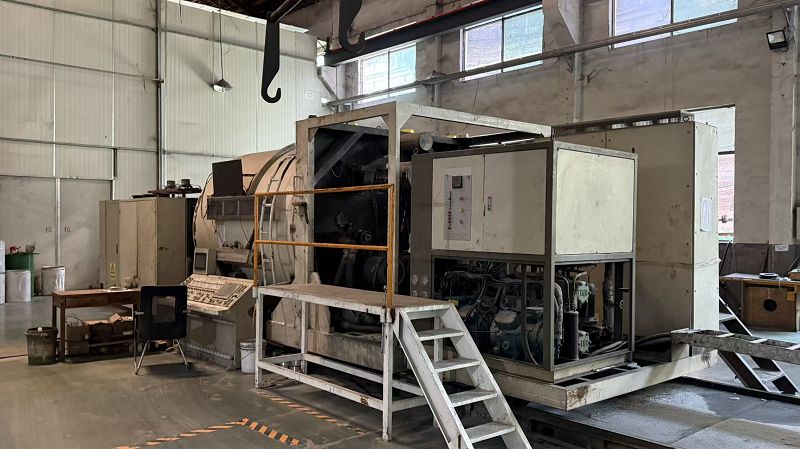
Aluminizing Line
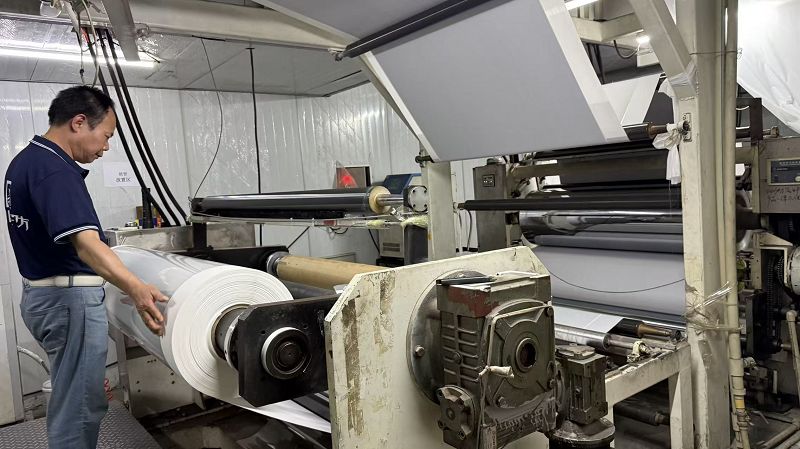
Recombination Line
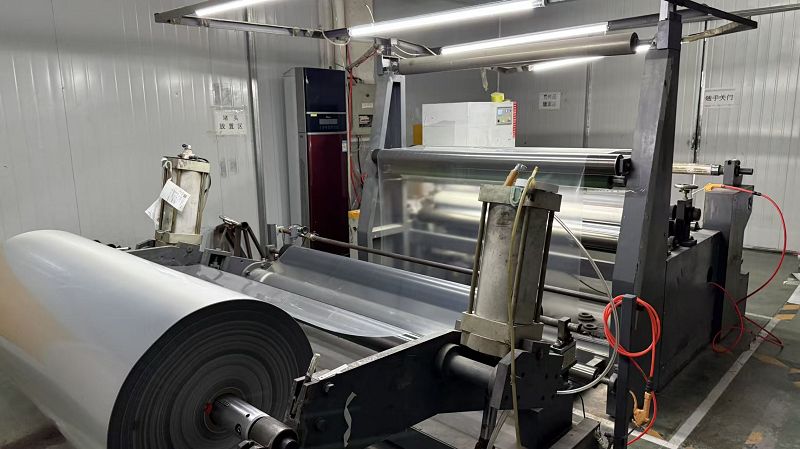
Rolling Line
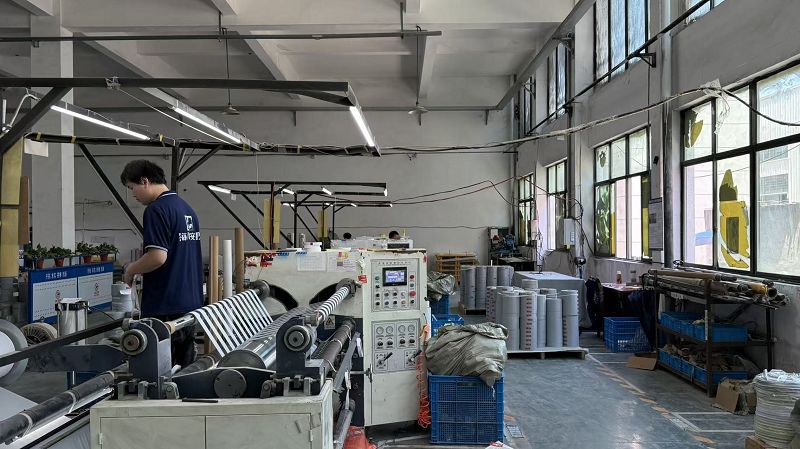
Cutting Line
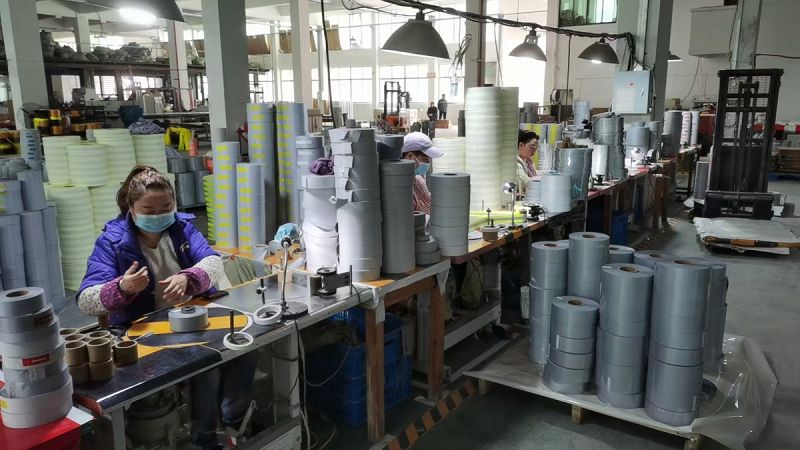
Inspection Line
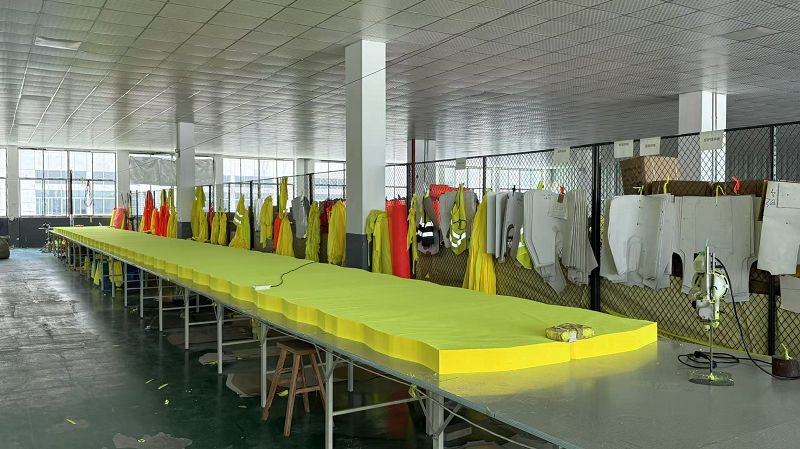
Cutting Line
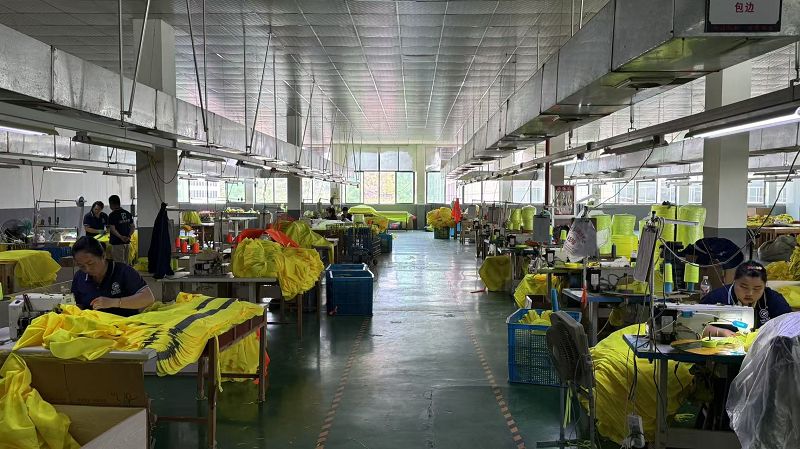
Sewing Line
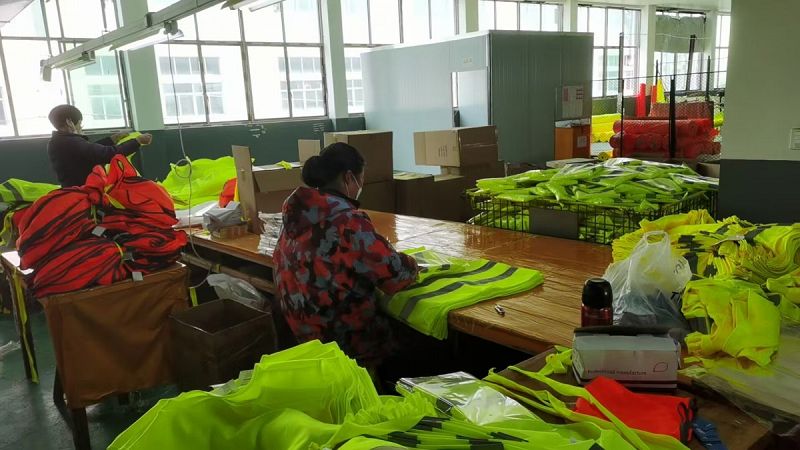
Packaging Line
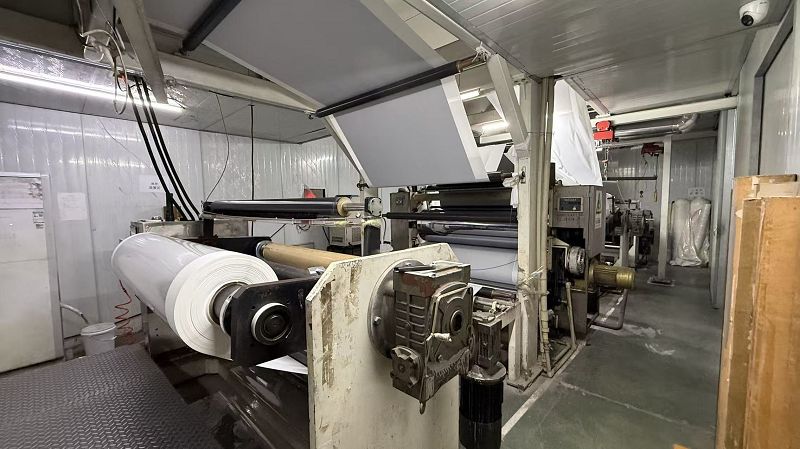
Coating Compounding Machine
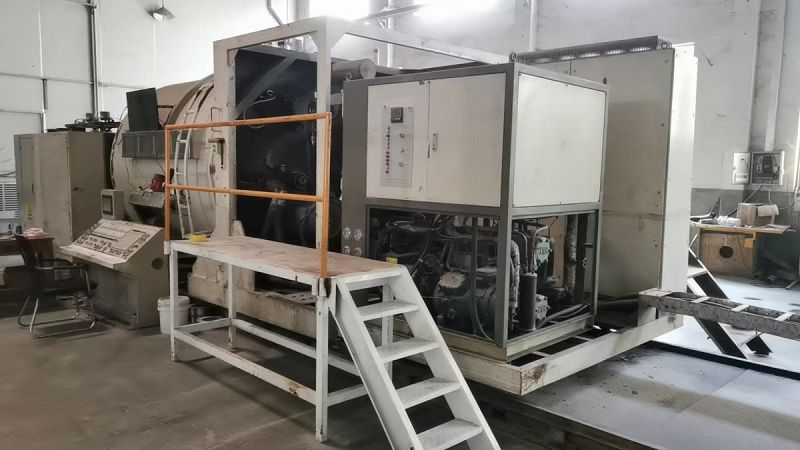
Aluminum Plating Machine

Rewinder

Cutting Machine

Overlock Sewing Machine
This structural vertical integration enables high-end customization options. Whether applying safety reflective strips or tailoring complex inner linings, having the production line centralized under Fuzhou Jennie Fashion minimizes supply chain vulnerabilities. It ensures that every garment produced adheres consistently to European standards.
Windproof fleece jackets and functional outer shells are not one-size-fits-all products. Different environments require specific material profiles and functional finishes to optimize user performance and comfort.
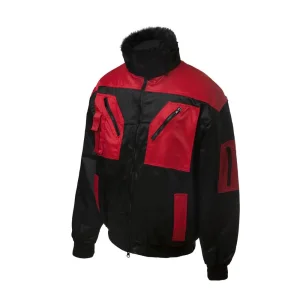
Workers on civil construction and highway maintenance sites face high-speed winds and dust. High-visibility (Hi-Vis) windproof fleece jackets with reinforced abrasion-resistant panels protect against thermal losses and withstand mechanical wear.
Working continuously in temperature-controlled environments requires jackets that offer long-term static thermal retention. Softshell and fleece options from Fuzhou Jennie Fashion keep personnel warm without restricting mobility.
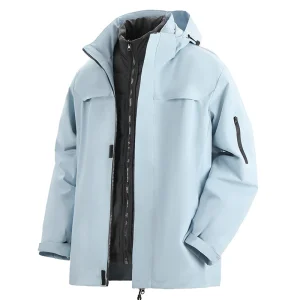
Constant exposure to salt-laden wind and mist requires waterproof properties and specialized zippers. Fully taped 3-in-1 jackets protect users against corrosive environments and maintain internal dryness.
The outdoor apparel industry is moving rapidly toward circularity and smart materials. B2B brands and procurement organizations must align with factories that invest in forward-looking research and development (R&D).
Transitioning from virgin polyester to 100% Post-Consumer Recycled Polyester (rPET) for fleece and softshell construction. Reduces the corporate carbon footprint while maintaining identical thermal performance.
Implementing C0 Durable Water Repellent (DWR) treatments that exclude harmful per- and polyfluoroalkyl substances. Meets the latest European chemical restrictions (REACH compliance).
Integrating carbon-fiber heating elements powered by external power sources. Provides customized warmth for utility workers in sub-zero environments.
In the European and American B2B procurement spaces, compliance is mandatory. Safety and workwear lines must comply with strict testing protocols. A reliable factory maintains active compliance with the following global standards:
Specifies the requirements for high-visibility clothing that visually signals the user's presence. Essential for road construction, transport work, and safety uniforms in high-risk zones.
The European standard for protective clothing designed to guard against precipitation, rain, snow, mist, and ground moisture. Measures waterproofness (resistance to water penetration) and water vapor resistance (breathability).
Standards outlining flame retardant protection, shielding workers against heat, sparks, and limited contact with flame. Essential for utility workers, chemical plants, and heavy welding fields.
We answer the most common questions raised by corporate procurement officers, brand owners, and sourcing agents:
 Jennie Fashion