Jennie Fashion
1. The Evolution & Global Trends of Packable Outdoor Shelters
In the modern landscape of high-performance technical textile manufacturing, the concept of "Packable Outdoor Shelters" has transcended the boundary of simple camping tents. Today, it encompasses wearable protective systems—ranging from ultralight, packable softshells to extreme-condition storm suits and flame-resistant tactical rain gear. Global consumer markets, defense sectors, and industrial safety managers are driving a paradigm shift toward versatile, lightweight, and high-performance garments that act as mobile personal micro-shelters.
Technological shifts in polymer chemistry have made it possible to design membranes that are highly packable without compromising on structural integrity. Traditional PVC and heavy PU coatings are being rapidly replaced by high-performance TPU (Thermoplastic Polyurethane) and advanced microporous laminates. These materials allow the fabric to compress into miniature volumes (such as packing balls or integrated utility pockets) while maintaining a hydrostatic head rating of over 10,000mm and moisture vapor transmission rates (MVTR) exceeding 10,000 g/m²/24h.
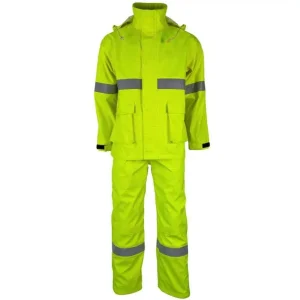
Furthermore, modern smart-textile trends highlight the integration of multi-risk protection. Procurement teams no longer look at waterproof capabilities in isolation. The integration of flame retardancy (EN ISO 14116 / EN 11612), anti-static properties (EN 1149), and high visibility (EN ISO 20471) in compressible, lightweight form factors represents the cutting-edge trajectory of the professional outdoor and industrial workwear markets.
"Innovation in packable shelters is driven by a simple metric: maximizing the protection-to-weight ratio. The goal is to provide the worker or tactical operator with immediate climatic protection that can be deployed from a utility belt or small pouch within seconds."
2. Global Enterprise Procurement Requirements & Compliance Standards
Industrial and enterprise sourcing managers face escalating regulatory pressures to ensure the safety, traceability, and ethical sourcing of outdoor protection systems. When selecting a trusted exporter, compliance with international performance standards is non-negotiable. Key benchmarks include:
- EN ISO 20471: High-visibility warning clothing, essential for low-light infrastructure environments.
- EN 343: European standard regulating protection against rain, wind, and cold temperatures above -5°C.
- EN ISO 11612 & EN ISO 14116: Flame-retardant performance ratings for petrochemical and electrical utility workforces.
- ANSI/ISEA 107: American national standard for high-visibility safety apparel and headwear.
Beyond strict technical specs, modern ESG (Environmental, Social, and Governance) targets require factories to adopt eco-friendly materials, such as recycled polyester (GRS certified), PFC-free water-repellent (DWR) treatments, and biodegradable packaging. Exporters must maintain robust supply chain transparency, backed by third-party audits such as BSCI, OEKO-TEX, and ISO 9001.
3. China Factory 4.0: Supply Chain Resilience & Production Efficiency
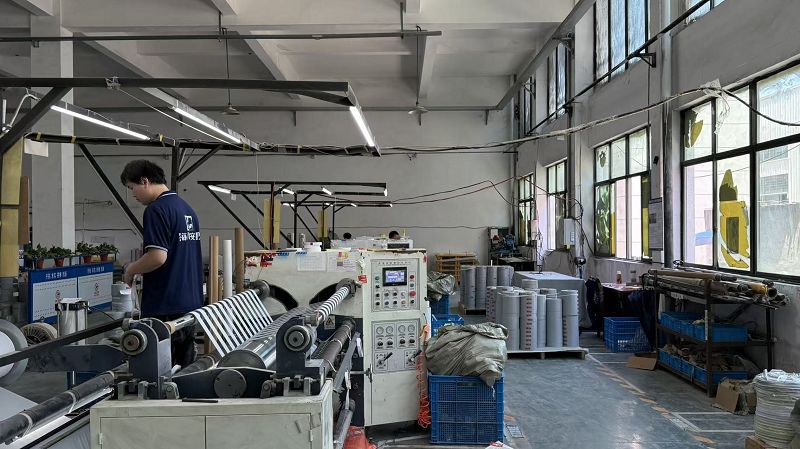
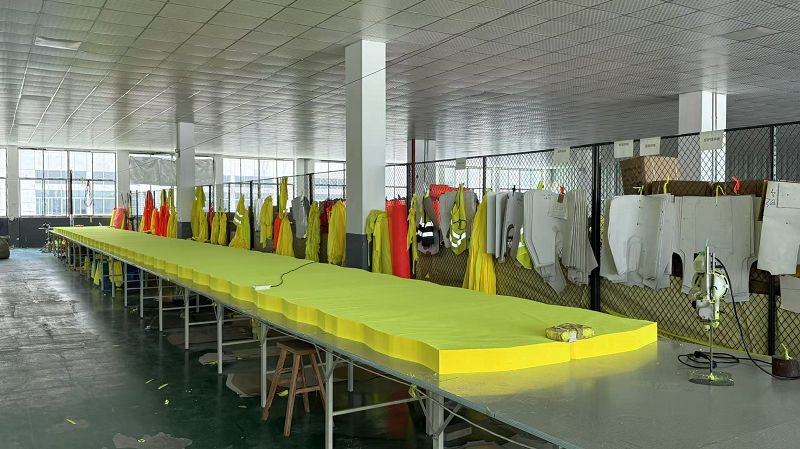
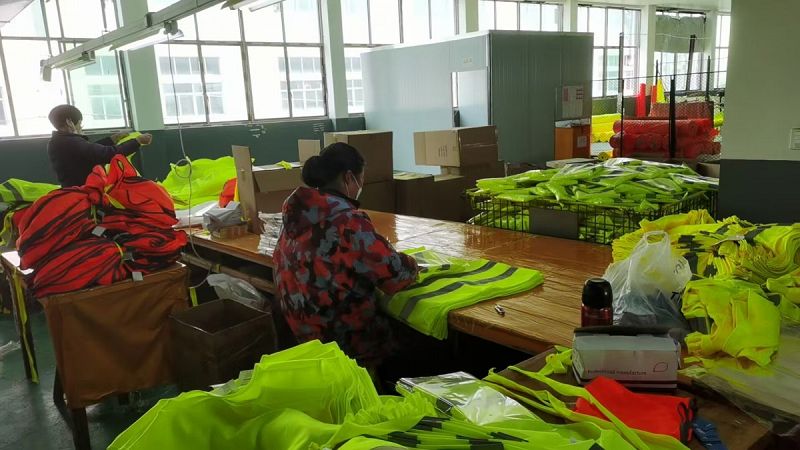
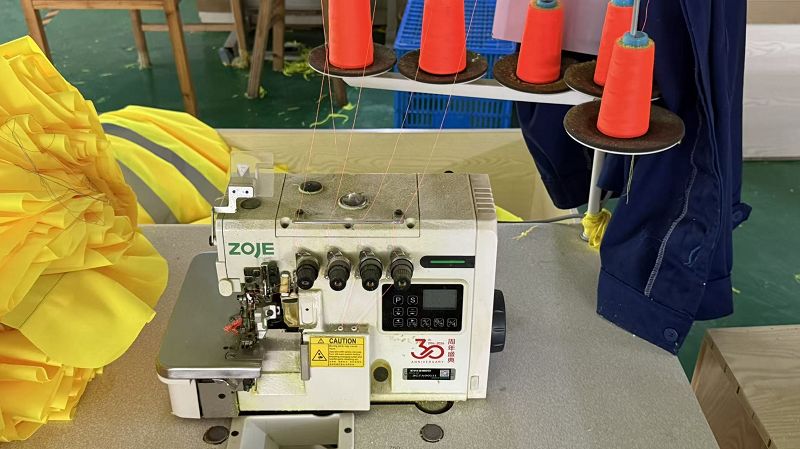
China’s advanced manufacturing infrastructure has evolved from basic assembly to intelligent Factory 4.0 paradigms. This transition is characterized by automated nesting and cutting systems, computer-guided hot-air seam welding machines, and real-time ERP monitoring of materials and workflows. The resulting synergy of efficiency and consistency gives Chinese exporters a distinct competitive advantage.
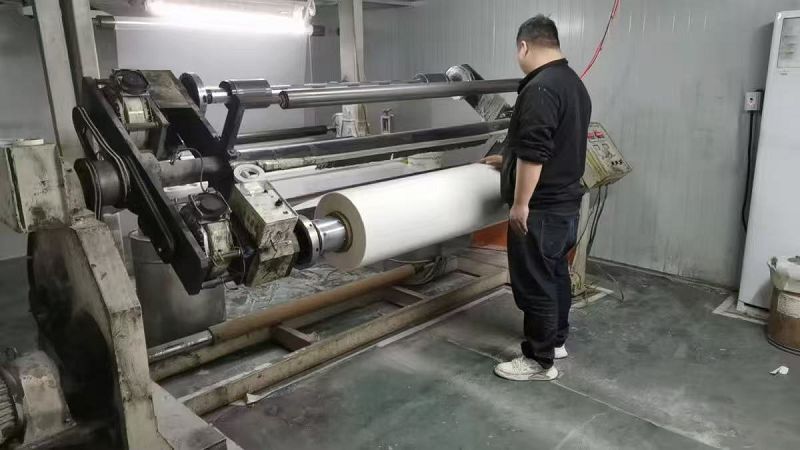
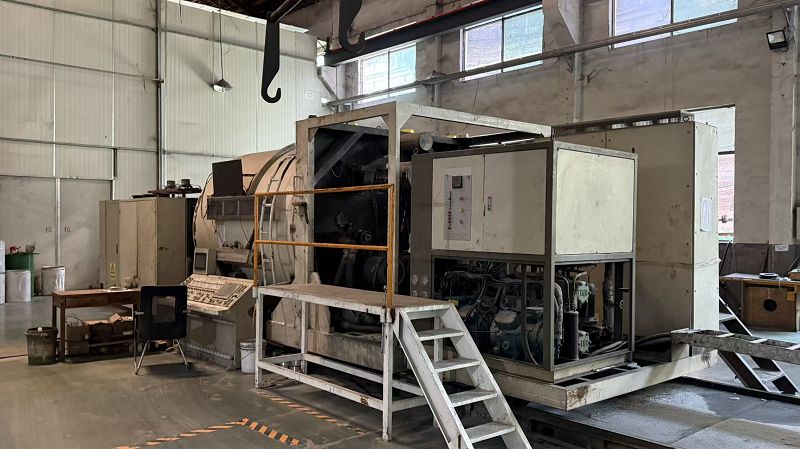
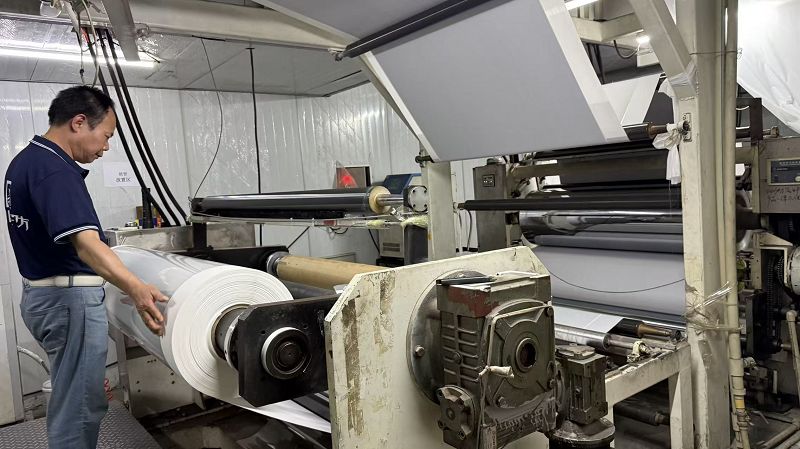
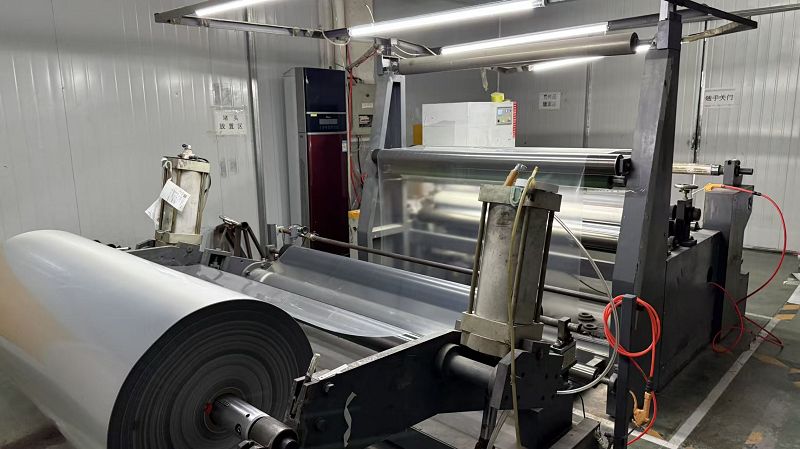
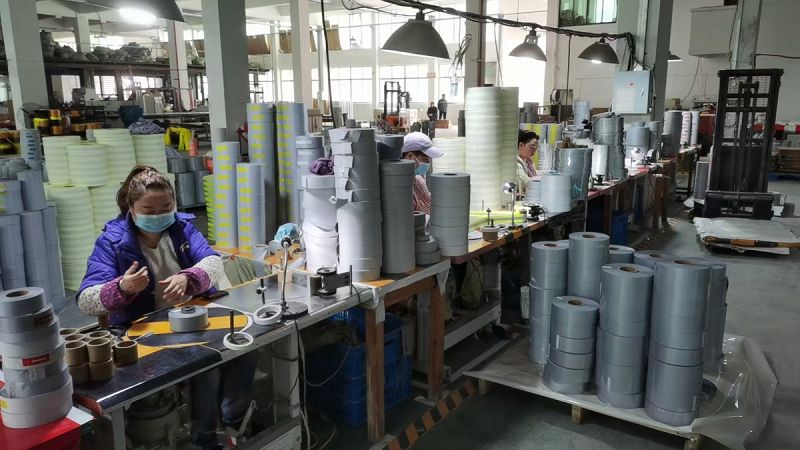
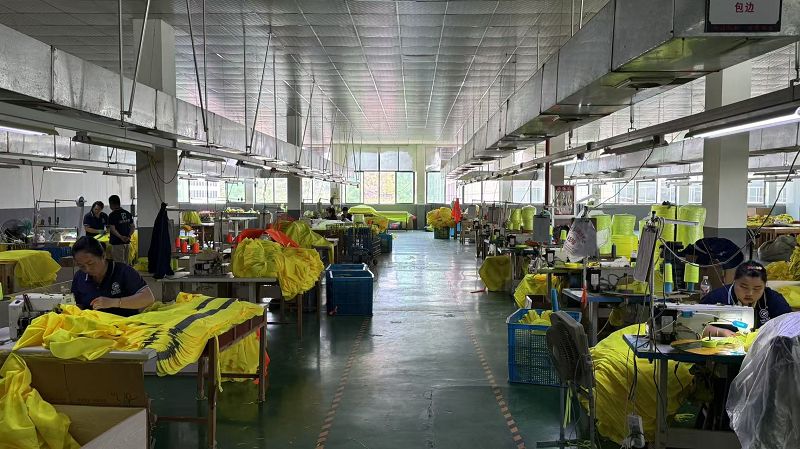
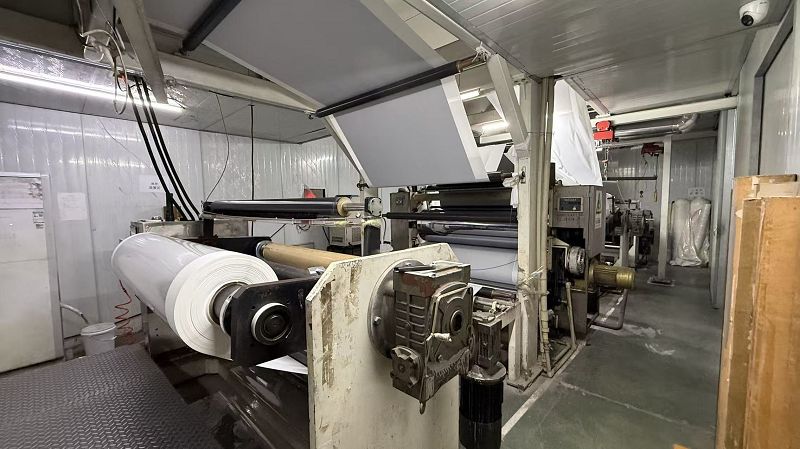
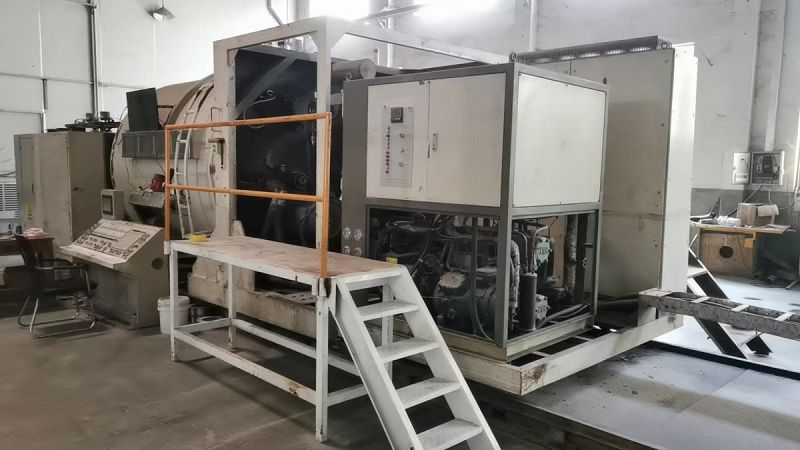
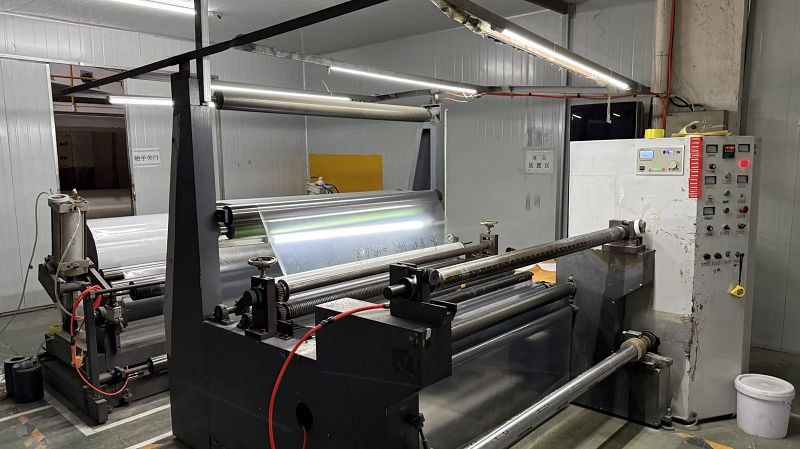
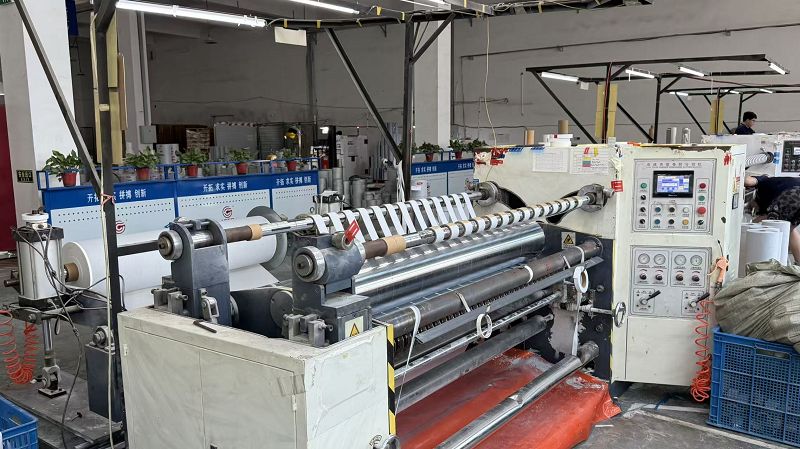
Fuzhou Jennie Fashion Co., Ltd. represents the peak of this evolution. By utilizing continuous coating compounding machinery, state-of-the-art aluminum plating, and automated rolling and cutting, our production lines achieve unmatched precision. Automated tension control during lamination prevents membrane delamination—the primary point of failure in cheaper outdoor apparel. Our synchronized supply chain ensures raw material sourcing, pattern optimization, laser cutting, ultrasonic welding, and rigorous hydrostatic pressure testing occur under a single, unified quality management framework.
4. Global Commercial Application & Localized Performance Scenarios
The practical utility of premium packable shelters varies by sector and geographic climate:
- Oil, Gas & Petrochemical Sector (High-Latitude/Offshore): Operators require extreme heavy-duty flame-retardant, anti-static workwear that can withstand abrasive marine environments, sub-zero winds, and sudden chemical splashes.
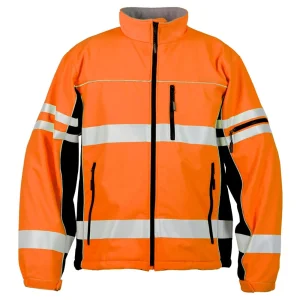
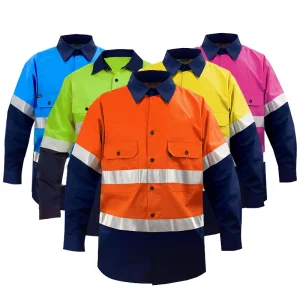
- Infrastructure & Civil Construction (Urban Transit Zones): High-visibility waterproof shells with EN ISO 20471 compliance are mandatory. These shells must offer high breathability to prevent heat stress during intense physical labor.
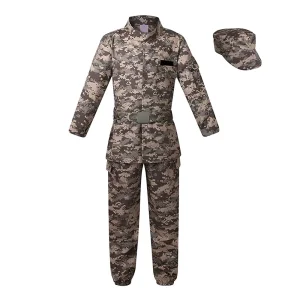
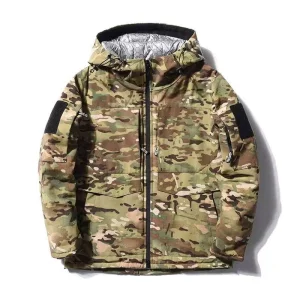
- Tactical, Defense, & Law Enforcement: Camouflaged, low-noise, and infrared-reflective (IRR) coated packable rain systems are deployed for rapid action in dense jungle or rugged mountainous terrain.
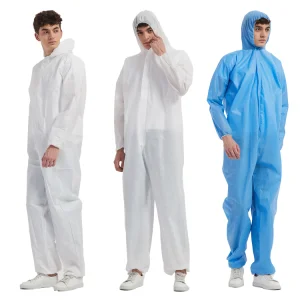
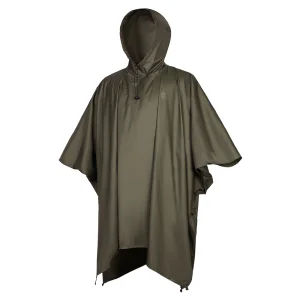
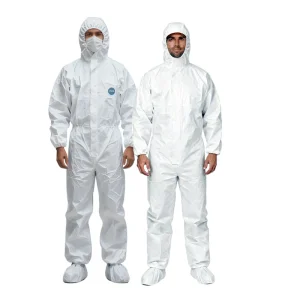
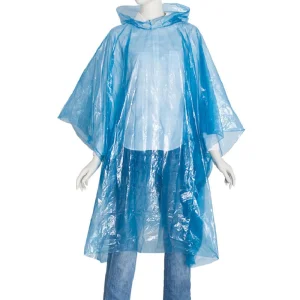
- Commercial Logistics & Emergency Services: Packable, lightweight, and low-cost disposable or semi-durable PE/PP protective ponchos and coveralls are kept in reserve for biological hazards, hazardous material cleanup, and unexpected weather events.
5. Fuzhou Jennie Fashion Co., Ltd.: Decades of Expertise & Manufacturing Prowess
As an industry-leading OEM and ODM partner, Fuzhou Jennie Fashion Co., Ltd. specializes in the sourcing, design, and manufacturing of rainwear and outdoor functional apparel. Our reputation is built on delivering high-performance garments that comply with strict international standards, especially European safety and environmental regulations.
Our core collections showcase our diverse production capabilities:
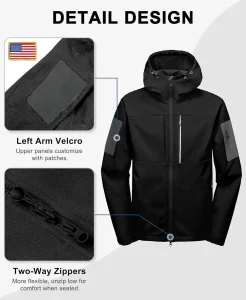
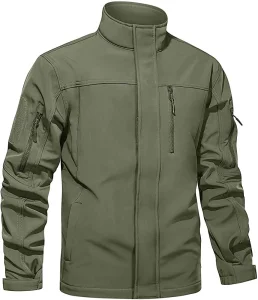
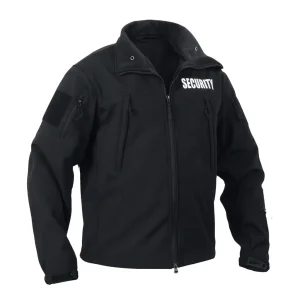
- Softshell Series: Made from 100% polyester (with or without a TPU membrane), these garments offer an optimal balance of windproofing, breathability, and lightweight comfort. Perfect for outdoor sports and everyday urban environments.
- Rainwear Series: Utilizing stretchable PU, PVC, and EVA materials, all seams are fully welded to guarantee absolute waterproof protection during torrential rains.
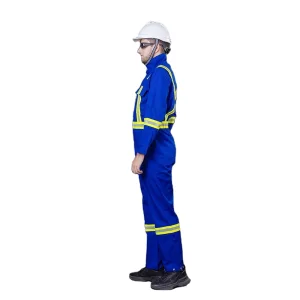
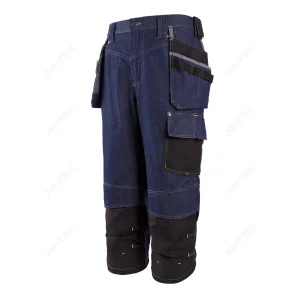
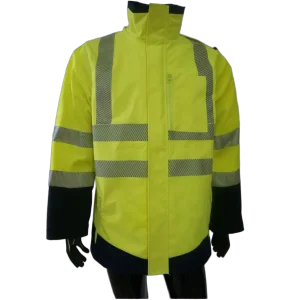
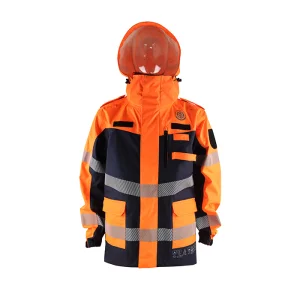
- Workwear Series: Designed for extreme safety, including Hi-Vis and non Hi-Vis options with compliance to EN ISO 20471, EN 343, EN 531, and EN 533.
- Outdoor Wear Series: Fabricated from premium 100% nylon or polyester with advanced functional coatings. Fully taped seams provide outstanding protection for skiing, mountaineering, and hiking.