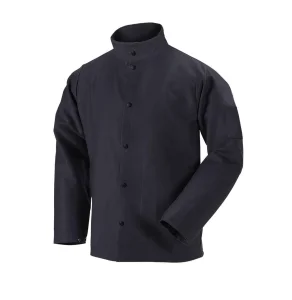
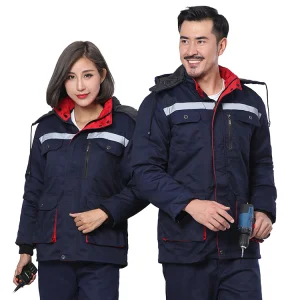
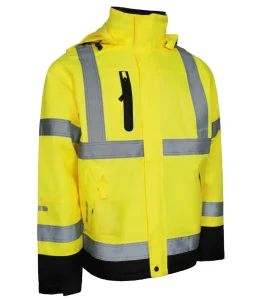
Explore our flagship, certified safety apparel engineered for high-risk industrial applications. Integrating top-tier electro-static discharge (ESD) defenses with certified waterproof and flame-retardant configurations.
Nigeria's economy, being the powerhouse of West Africa, is undergoing a profound industrial transition. Traditionally anchored in the extraction of crude oil and liquefied natural gas (LNG), the nation is actively diversifying its manufacturing sectors. With massive infrastructure projects like the Dangote Refinery, the expansion of the Lekki Free Zone, and a surging telecommunications and electrical grid framework, safety compliance is taking center stage.
In hazardous environments common to Nigeria’s upstream and downstream petroleum sectors, electrostatic charges present an invisible but catastrophic risk. A single electrostatic discharge (ESD) in a volatile atmospheric mixture of hydrocarbons can ignite explosions instantly. Similarly, the manufacturing plants in Lagos, Kano, and Port Harcourt face severe electrostatic challenges, endangering workers and delicate high-tech assembly operations.
For procurement officers representing international joints, local EPC (Engineering, Procurement, and Construction) firms, and state-backed entities like the Nigerian National Petroleum Company (NNPC), securing reliable Anti-Static Protective Outerwear is not merely an operational decision—it is a legal and ethical mandate.
Procuring protective apparel in the modern era requires strict adherence to international safety metrics. When sourcing Anti-Static Outerwear for Nigeria, global enterprises prioritize compliance to guarantee life safety and maintain corporate liability coverage. The primary international standards driving this industry include:
The benchmark European standard for protective clothing with electrostatic properties. It defines material performance and design constraints to avoid sparking discharges.
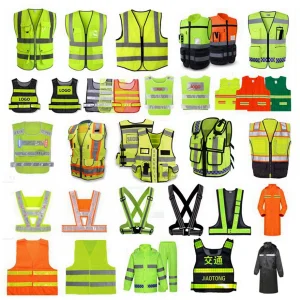
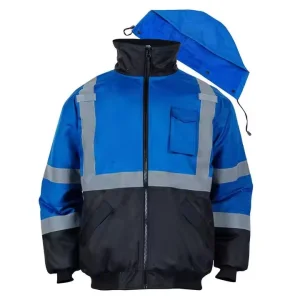
Ensures high visibility in dark and high-traffic conditions, combining reflective striping with fluorescent background materials, crucial for night operations in oil depots.
Regulates protection against rain, wind, and low temperatures. This standard ensures outer membranes are fully sealed and waterproof while remaining breathable.
Specifies protection against heat, flame, and welding splatters. Crucial for heavy fabrication, pipeline laying, and refining applications.
Modern fabric engineering embeds a matrix of conductive yarn (often carbon or stainless steel fibers) into polyester, cotton, or blended weaves. This conductive grid allows accumulated electrostatic charges to dissipate safely into the ground via grounding cords or atmospheric humidity, mitigating potential sparks.
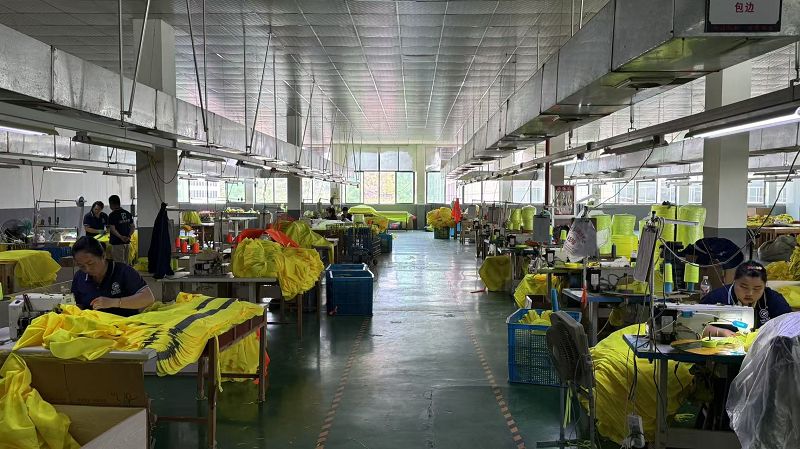
Fuzhou Jennie Fashion Co., Ltd. is a professional manufacturer with decades of experience in the rainwear and outdoor functional apparel industry. Over the years, we have developed strong expertise in sourcing, designing, and producing a wide range of high-quality garments, building a solid reputation in both domestic and international markets.
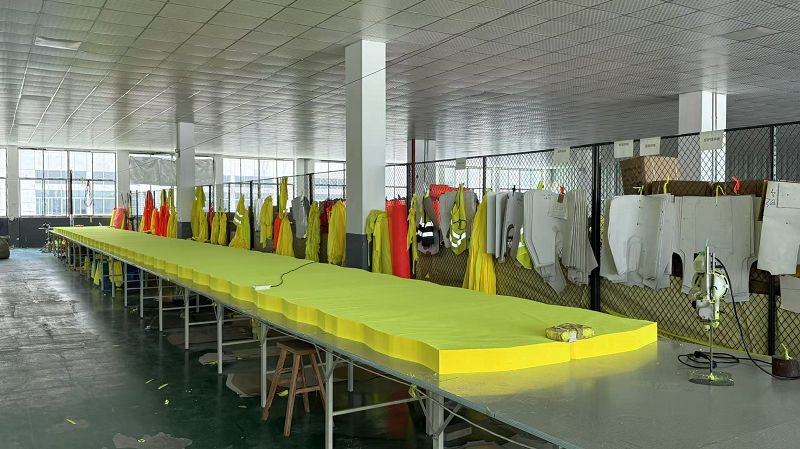
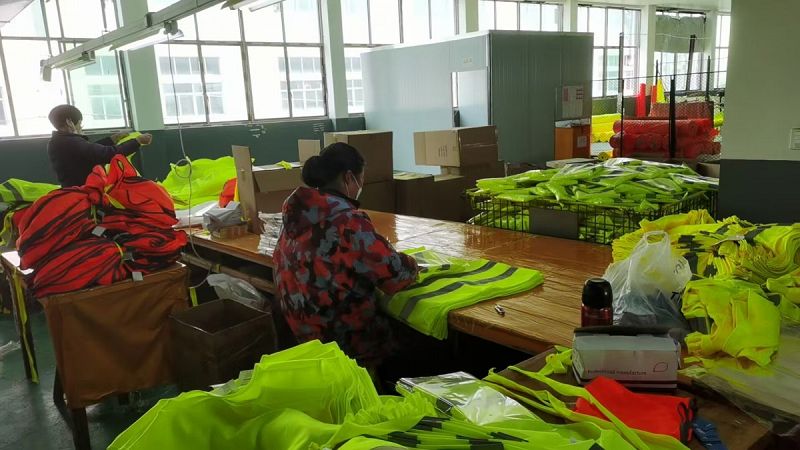
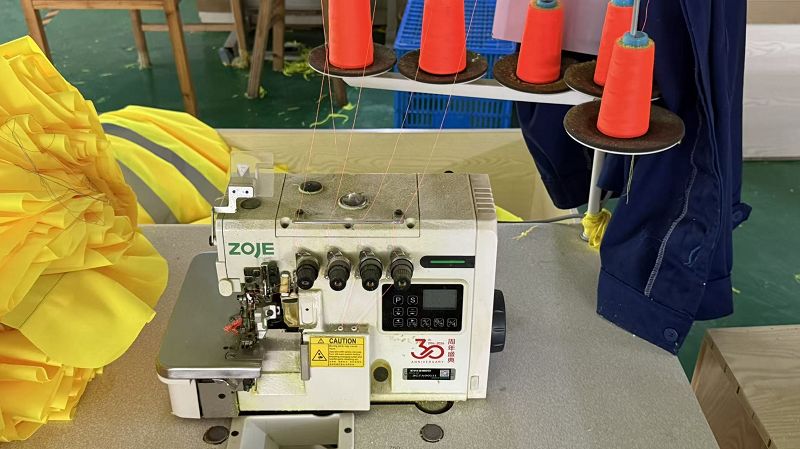
With advanced manufacturing facilities and a skilled production team, we are able to maintain strict quality control throughout every stage of production—from material selection to final inspection. This enables us to continuously deliver stylish, high-performance, and competitively priced products that meet diverse customer needs and comply with international standards, especially European regulations.
In addition to rainwear, we have successfully expanded our product lines to include outdoor wear and functional clothing such as body warmers, everyday jackets, casual pants, ski wear, and other performance apparel. Our products are widely supplied to well-known brands, reflecting our capability in both OEM and ODM services.
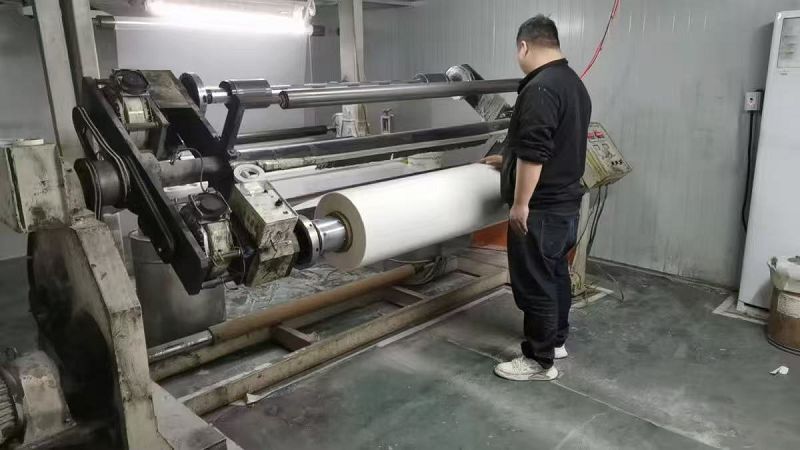
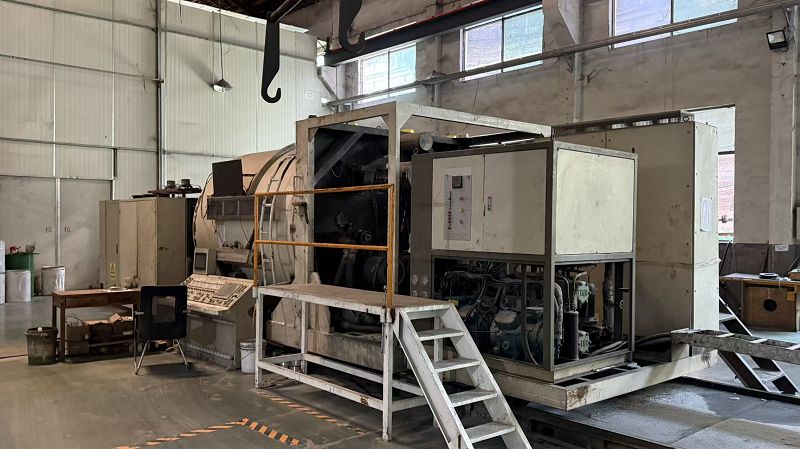
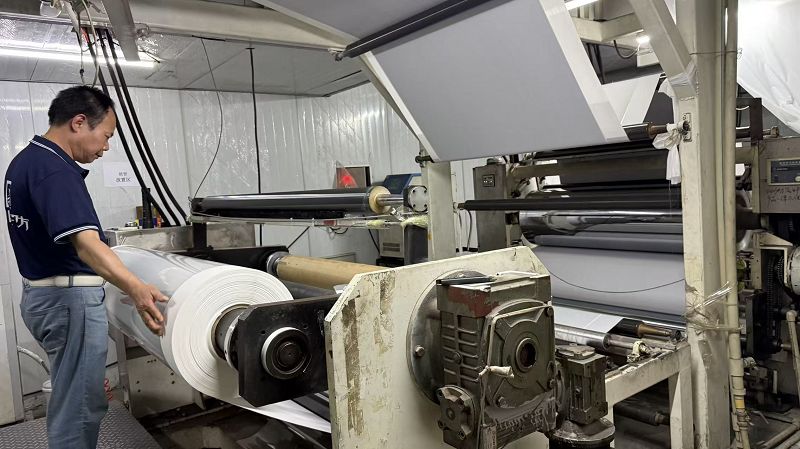
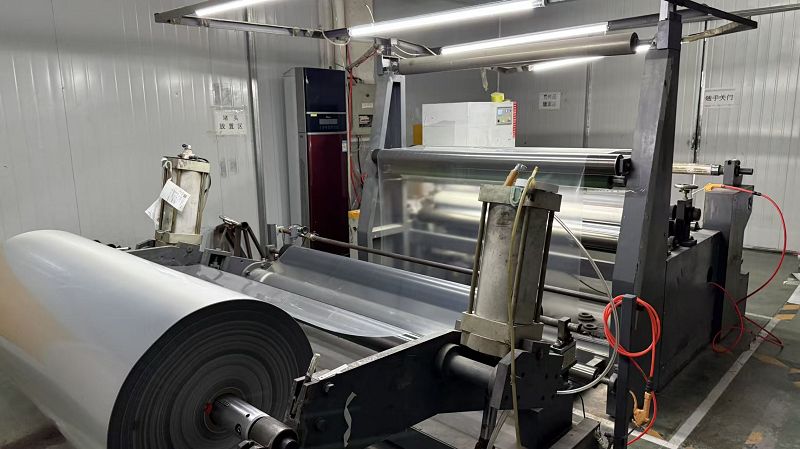
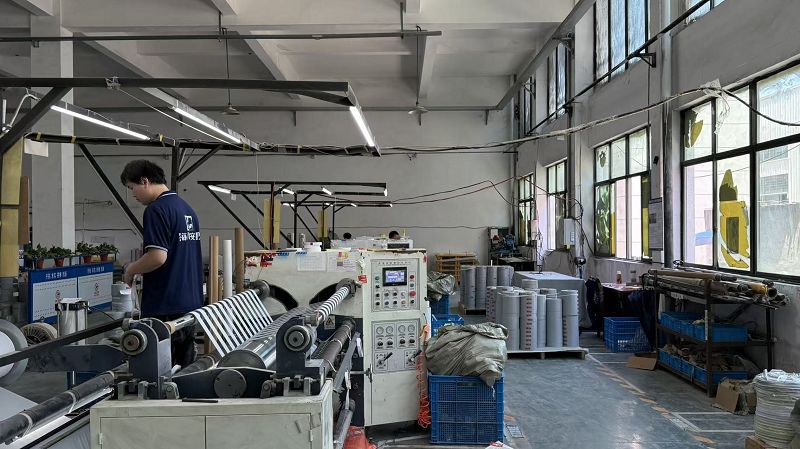
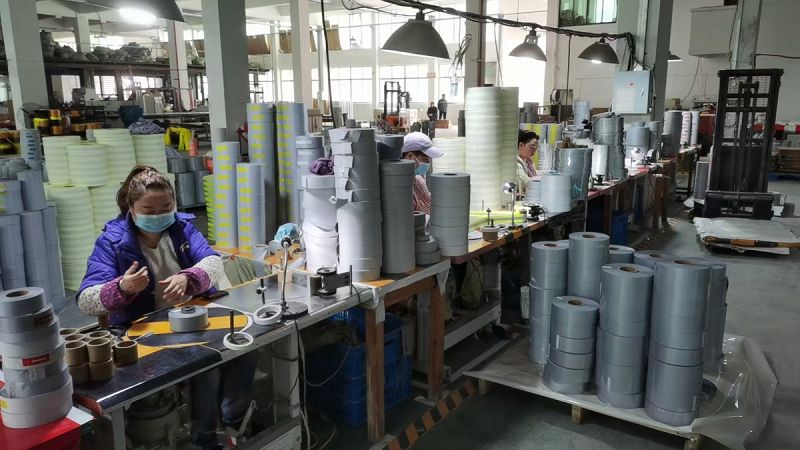
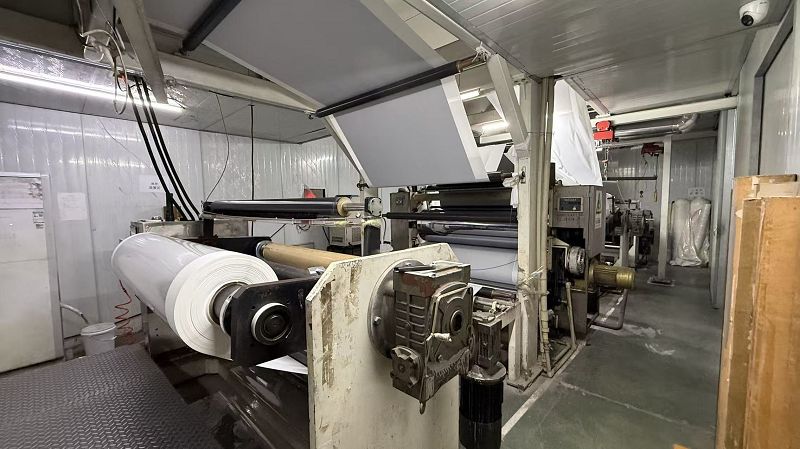
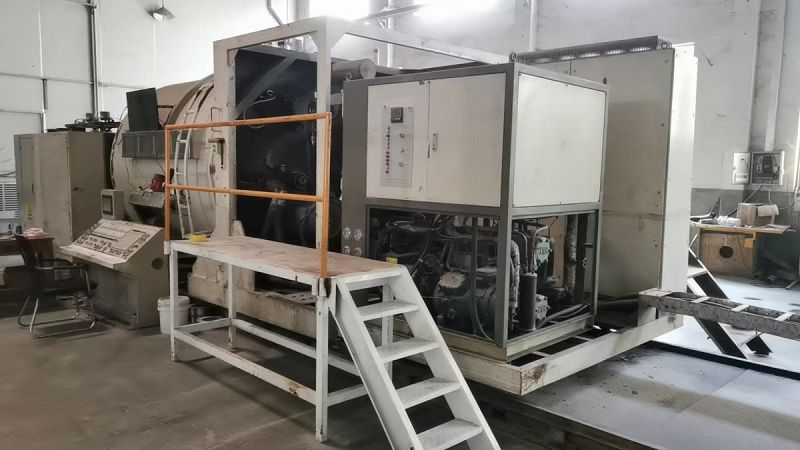
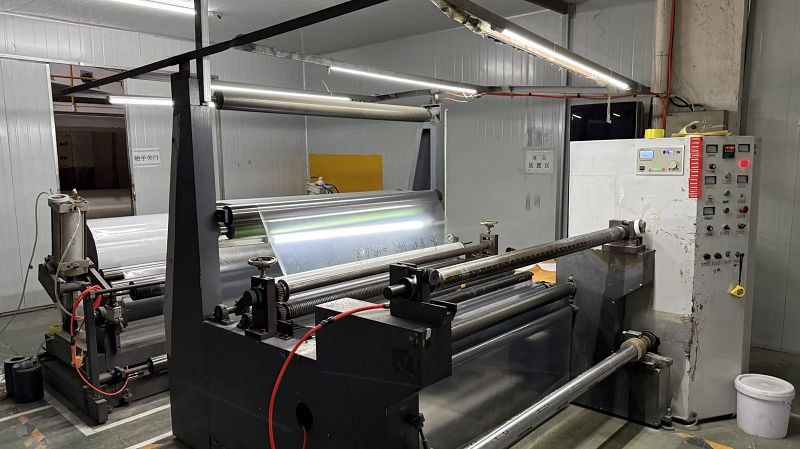
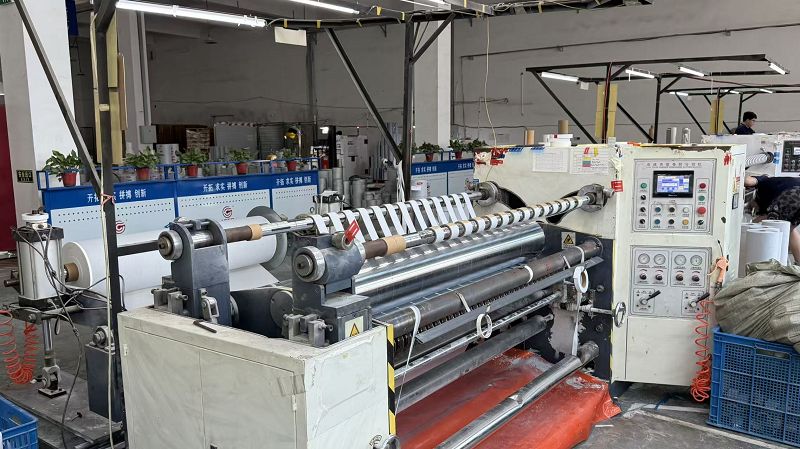
Through integrated production systems, we synchronize weaving, coating compounding, and quality control lines in real time. This Industry 4.0 infrastructure minimizes manufacturing lead times, increases fiber consistency, and ensures that large-scale bulk orders shipped to Lagos or Port Harcourt arrive on time with zero deviation from technical safety standards.
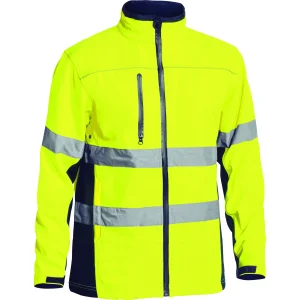
Made from 100% polyester, with or without TPU membrane, our softshell garments offer waterproof, breathable, lightweight, and stylish performance. They provide excellent comfort, warmth, and flexibility for outdoor and urban use. Perfect for field managers and inspection teams navigating complex industrial sites.
We use high-quality stretchable PU, PVC, and EVA materials. All seams are fully welded to ensure maximum waterproof protection in heavy rain conditions. Products are available with or without printing and lining, and include jackets, pants, bib pants, and ponchos—designed to keep users dry and comfortable in all weather conditions, especially during the heavy West African monsoon season.
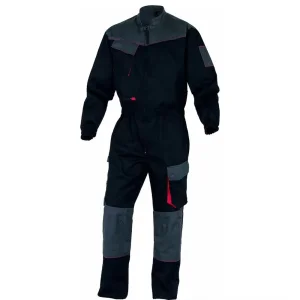
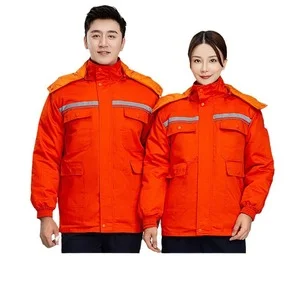
Our workwear collection includes Hi-Vis PU and non Hi-Vis PU options, with breathable or non-breathable fabrics and optional lining. Designed for safety and durability, these products comply with standards such as EN ISO 20471, EN 343, EN 531, and EN 533. The range includes jackets, pants, coveralls, bib pants, and padded parkas, ensuring protection, visibility, and comfort in demanding work environments.
Crafted from 100% nylon or polyester with functional coatings, our outdoor wear includes padded or non-padded designs. With waterproof and breathable performance and fully taped seams, these garments are ideal for skiing, hiking, sports, and other outdoor activities, combining functionality with modern fashion aesthetics.
Safety issues vary across geographic regions. Our designs are tailored to mitigate hazards specific to Nigerian industries:
Saltwater resistance and oil repellency paired with high anti-static properties for platforms across the Niger Delta region.
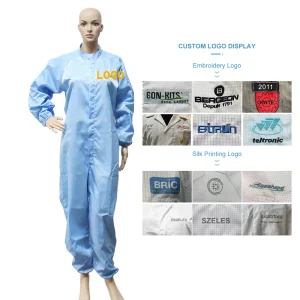
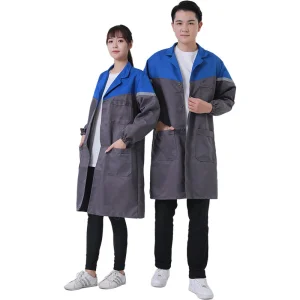
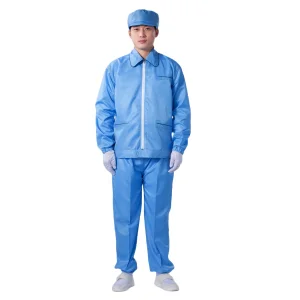
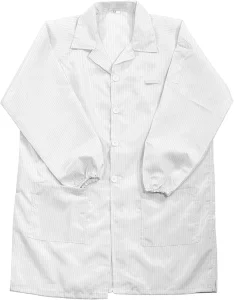
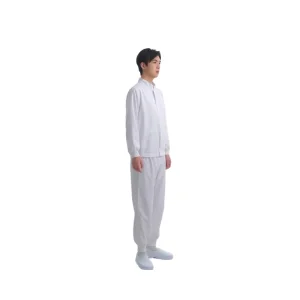
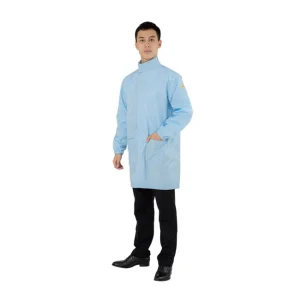
ESD-protected jackets and lab coats that prevent dust collection and eliminate charge build-up, safeguarding delicate circuit manufacturing.
Multi-layered EN ISO 11612 and EN 1149 compliant suits designed to resist flash fires and discharge hazards near storage tanks.
Nigeria's primary industries include oil refining, natural gas extraction, and chemicals. In these settings, highly volatile atmospheres can ignite from minor static electricity sparks. Anti-static garments dissipate static charges safely, ensuring workers do not trigger catastrophic explosions.
Ensure certifications include EN 1149-5 (electrostatic properties), EN ISO 20471 (high visibility), and EN 343 (waterproofing). For petrochemical applications, EN ISO 11612 (flame-retardant) is also essential.
We weave conductive carbon-infused grid lines directly into the garment fabric rather than applying a temporary chemical coating. This ensures the anti-static properties remain functional through dozens of wash cycles in heavy-duty industrial laundry facilities.
Yes, our OEM/ODM services allow for customization. We integrate custom branding using heat-transferred or embroidered flame-retardant materials, maintaining complete compliance with EN ISO 20471 safety regulations.
Depending on order size, production takes approximately 30 to 45 days. We coordinate sea freight through primary logistics routes, delivering robust customs documentation to streamline clearing operations in Nigerian ports.
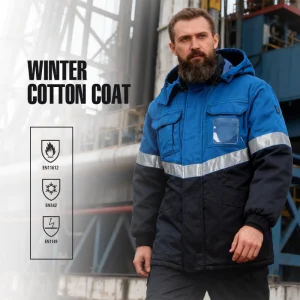
Our broad inventory covers everything from heavy cold-proof winter parkas to lightweight cleanroom coats, designed to address diverse industrial safety environments in Nigeria.
 Jennie Fashion