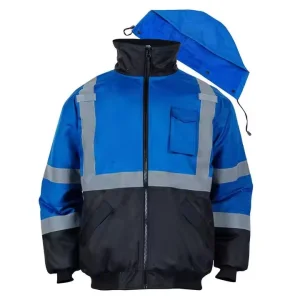
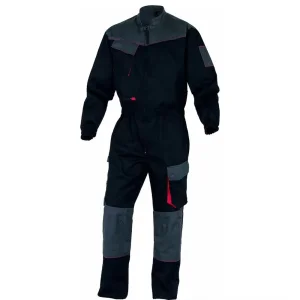
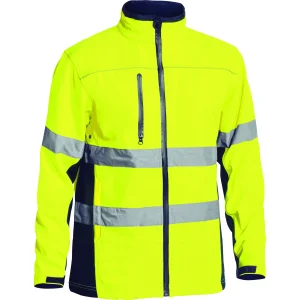
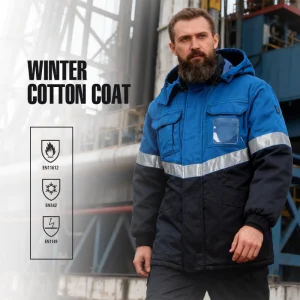
Engineered for compliance, micro-contamination control, and extreme performance in safety environments.
In a landscape defined by advanced technology, precision fabrication, and massive high-risk chemical process industries, static discharge is more than an inconvenience—it is a major hazard.
Singapore represents a massive pillar of the global semiconductor industry, commanding a double-digit share of the global microchip output. In advanced sub-10nm cleanrooms found across hubs like Woodlands, Tampines, and Pasir Ris, sub-microscopic electro-static discharge (ESD) events can decimate entire production batches, resulting in millions of dollars in losses. Static discharge acts like lightning inside the microfabrication environment, making advanced anti-static coats, ESD lab jackets, and overall cleanroom protective gear standard regulatory mandates.
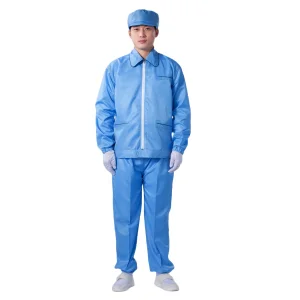
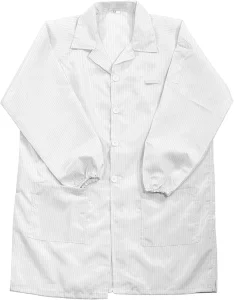
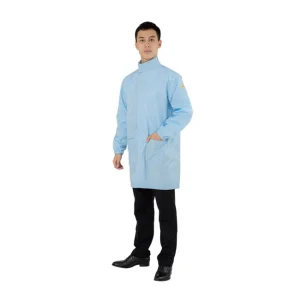
Our conductive fiber jackets integrate a grid pattern of 98% polyester and 2% carbon-threaded conductive yarns. This structural configuration is vital for dispersing static accumulation continuously, reducing surface potential to safe, negligible levels.
In hazardous gas zones and hydrocarbon processing facilities across Jurong Island, static electricity is a severe ignition risk. Combustible atmospheres demand protective garments that prevent dangerous charge accumulation on the outer layers. Standard polyester safety jackets are notorious generators of triboelectric charge; hence, petrochemical operators demand anti-static garments that meet both ESD protection (EN 1149) and flame retardancy (EN ISO 14116/11612) safety standards simultaneously.
We comply with international and regional protective clothing standards to guarantee reliable performance in high-risk zones.
| Regulatory Standard | Compliance Classification | Technical Focus & Application parameters | Typical Wearer Scenarios |
|---|---|---|---|
| EN 1149-5 | Electrostatic Properties | Verifies charge decay and surface resistance (< 2.5 × 10⁹ Ω) to eliminate spark hazards. | Petrochemical facilities, gas transport, ammunition handling. |
| ANSI/ESD S20.20 | ESD Control Program | Protects sensitive electronic components against static damage in assembly. | Semiconductor cleanrooms, aerospace instrument assembly. |
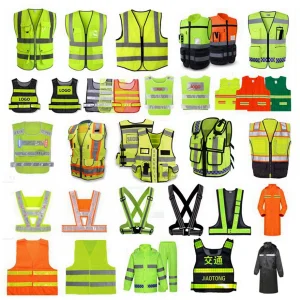
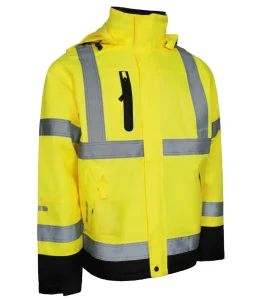
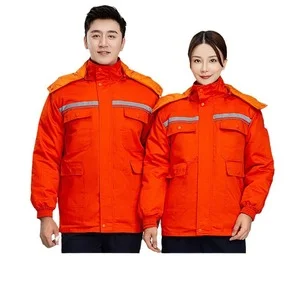
| EN ISO 20471 | High Visibility Protection | Mandates fluorescent background and retroreflective tape placement configurations. | Civil works, runway operations, petrochemical construction. |
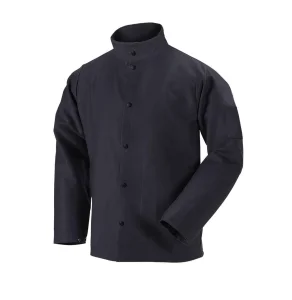
| EN ISO 11612 / 11611 | Flame & Heat Resistance | Limits flame propagation, protecting wearers from radiant, convective, and contact heat. | Welding, molten metal handling, electrical engineering. |
| EN 343 | Rain & Harsh Weather Protection | Evaluates water penetration resistance and water vapor transmission (breathability). | Offshore maritime rigs, port terminals, construction logistics. |
From cleanroom ESD coats to anti-cut utility jackets, explore our targeted protective apparel ranges.
A trusted global manufacturer specialized in high-performance functional outerwear and technical safety gear.
Fuzhou Jennie Fashion Co., Ltd. is a professional manufacturer with decades of experience in the rainwear and outdoor functional apparel industry. Over the years, we have developed strong expertise in sourcing, designing, and producing a wide range of high-quality garments, building a solid reputation in both domestic and international markets.
With advanced manufacturing facilities and a skilled production team, we maintain strict quality control throughout every stage of production—from material selection to final inspection. This enables us to continuously deliver stylish, high-performance, and competitively priced products that meet diverse customer needs and comply with international standards, especially European and Asian safety regulations.
In addition to safety-focused anti-static outerwear, we have successfully expanded our product lines to include outdoor wear and functional clothing such as body warmers, everyday jackets, casual pants, ski wear, and other performance apparel. Our products are widely supplied to well-known brands, reflecting our capability in both OEM and ODM services.
Every range is tailored with specialized materials and manufacturing techniques to optimize protection, breathability, and durability.
Made from 100% polyester, with or without TPU membrane, our softshell garments offer waterproof, breathable, lightweight, and stylish performance. They provide excellent comfort, warmth, and flexibility for outdoor and urban use.
We use high-quality stretchable PU, PVC, and EVA materials. All seams are fully welded to ensure maximum waterproof protection in heavy rain conditions. Products are available with or without printing and lining, and include jackets, pants, bib pants, and ponchos—designed to keep users dry and comfortable in all weather conditions.
Our workwear collection includes Hi-Vis PU and non Hi-Vis PU options, with breathable or non-breathable fabrics and optional lining. Designed for safety and durability, these products comply with standards such as EN ISO 20471, EN 343, EN 531, and EN 533. The range includes jackets, pants, coveralls, bib pants, and padded parkas, ensuring protection, visibility, and comfort in demanding work environments.
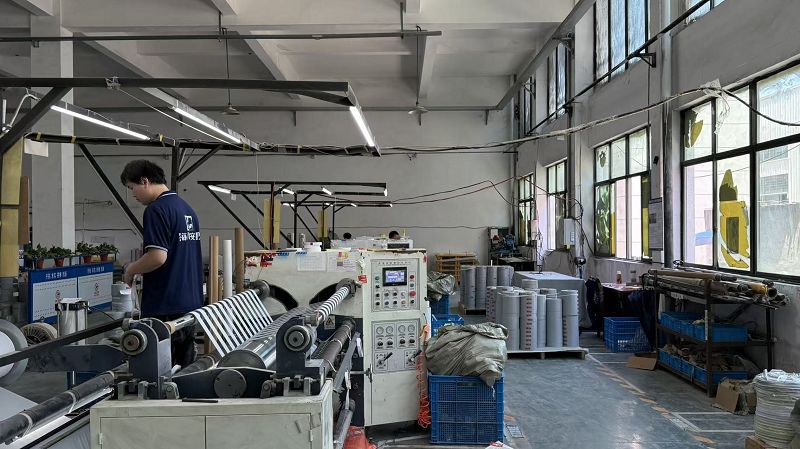
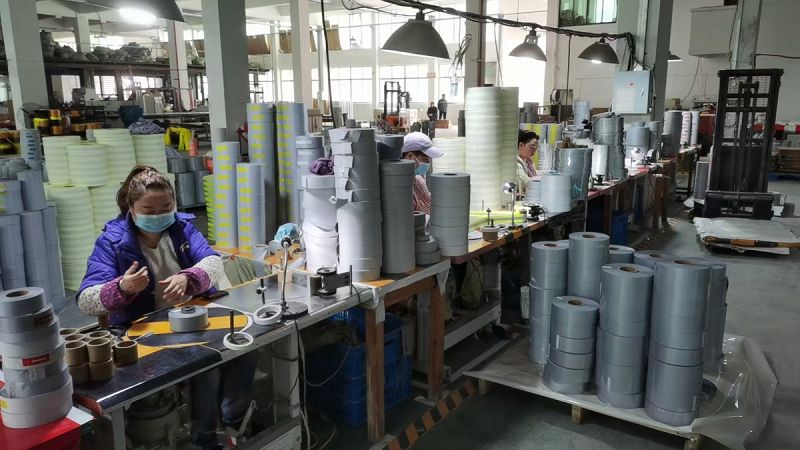
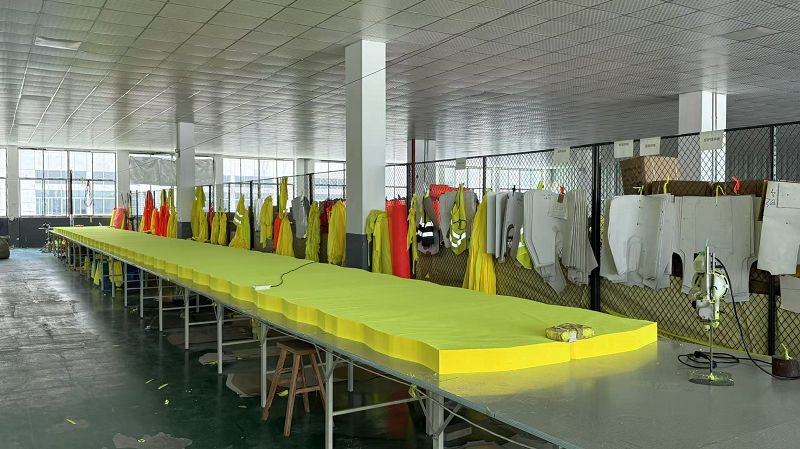
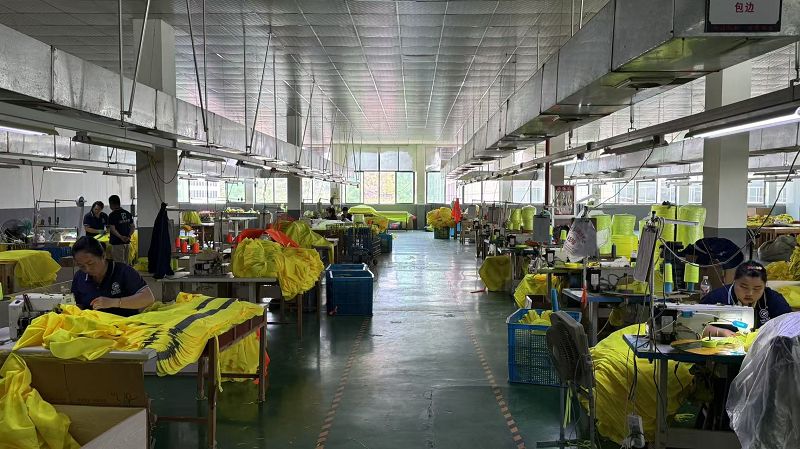
Combining advanced machinery, automation, and precise quality control steps to provide global buyers with short lead times and consistent product quality.
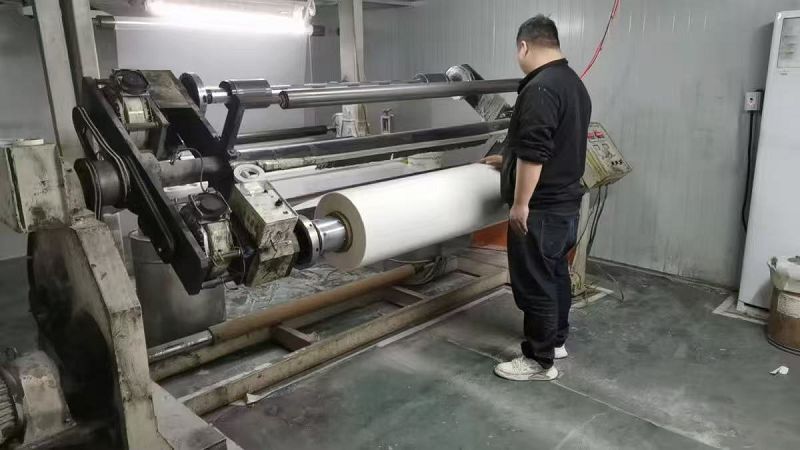
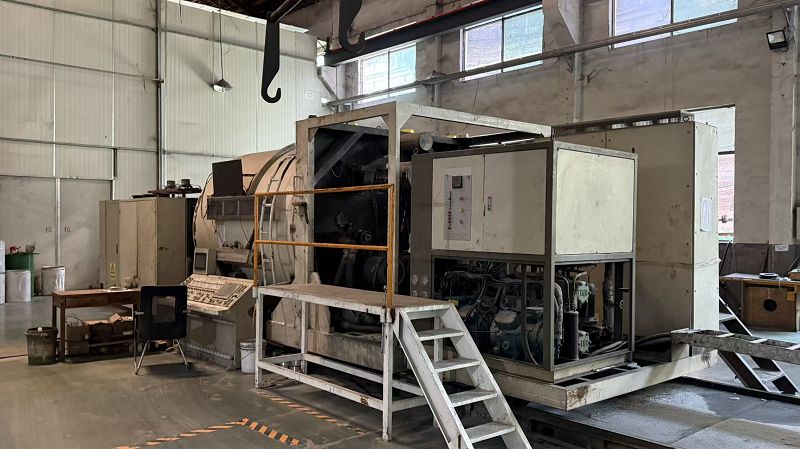
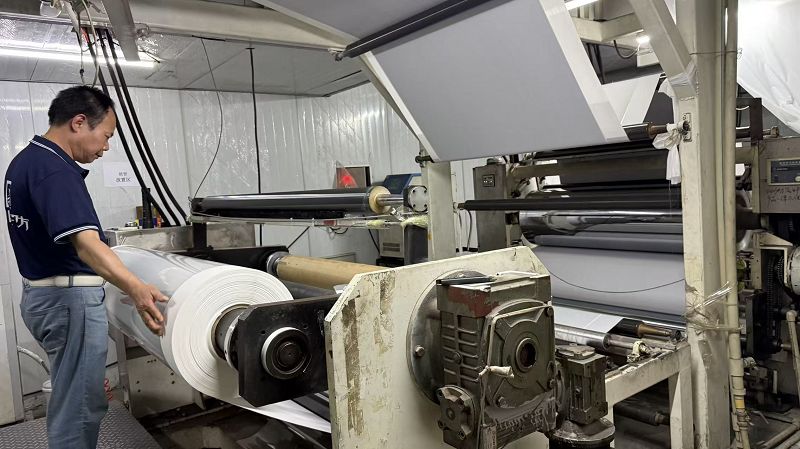
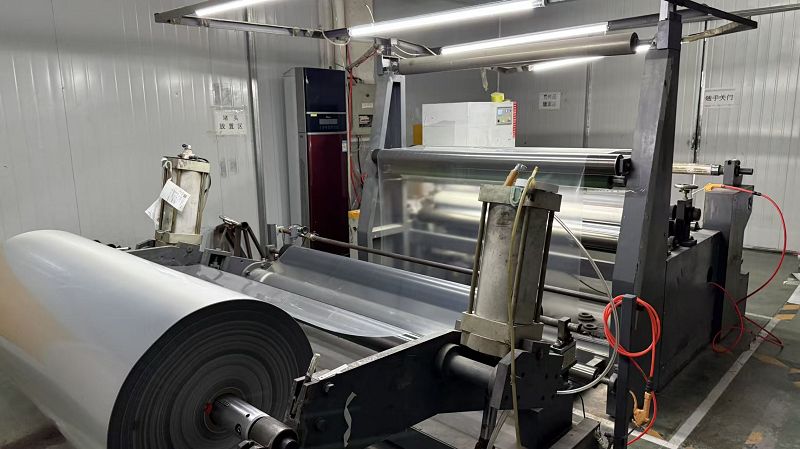
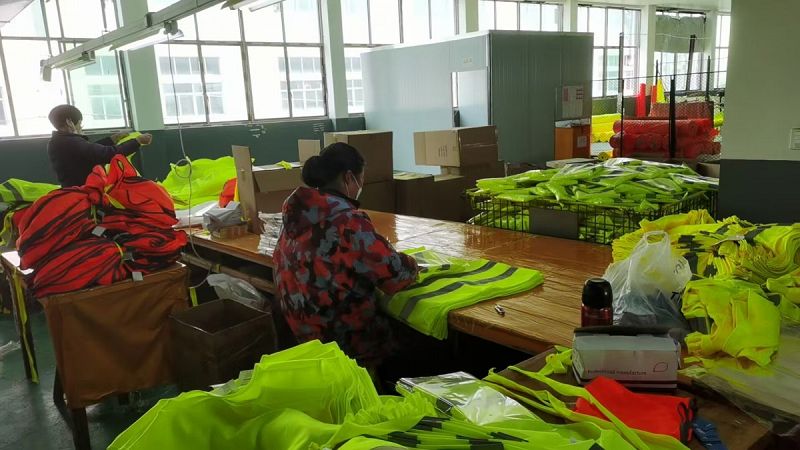
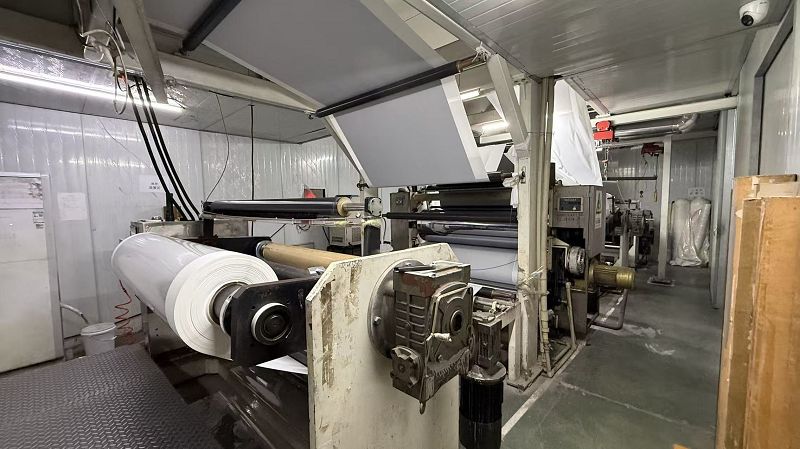
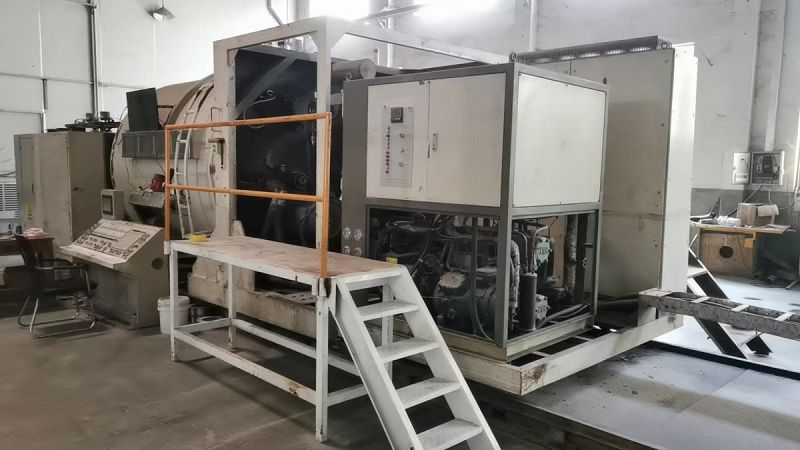
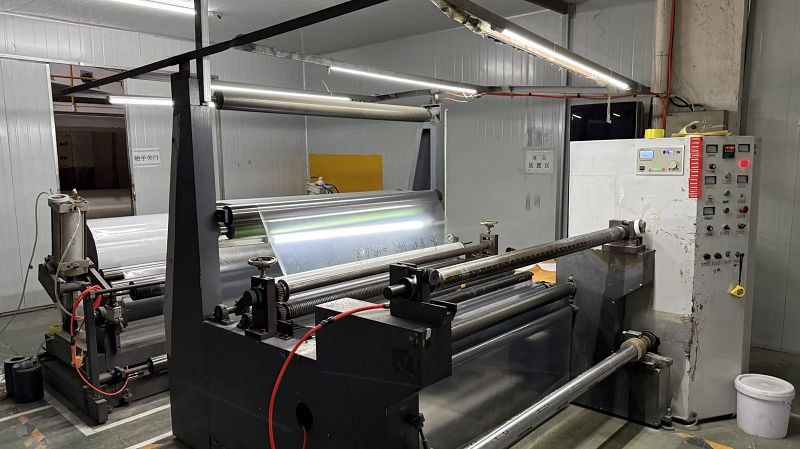
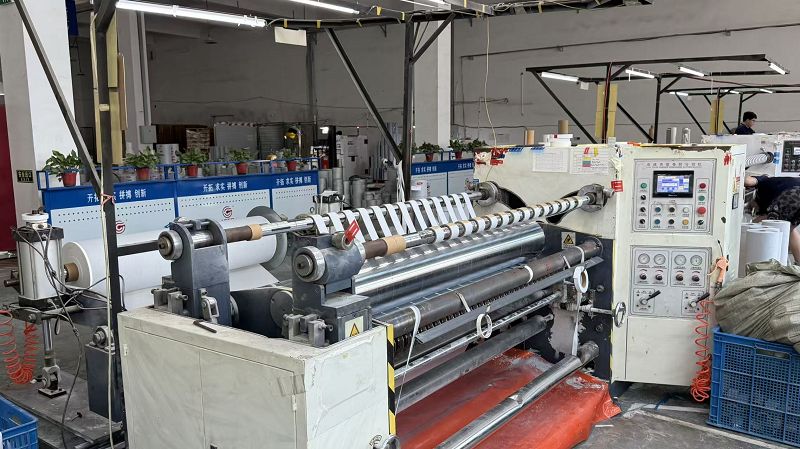
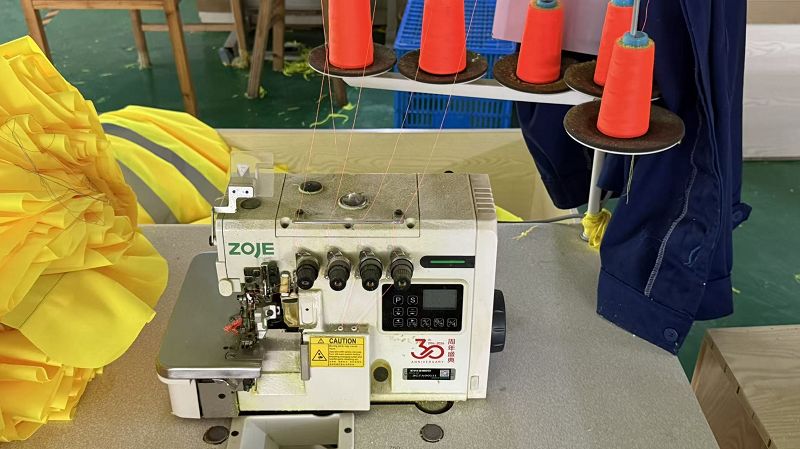
To support global supply chains and protect clients against unexpected production disruptions, Fuzhou Jennie Fashion Co., Ltd. leverages Factory 4.0 standards. Our facility is equipped with high-efficiency machinery that streamlines the fabrication of advanced anti-static protective outerwear, cleanroom suits, and specialized high-visibility wear.
By integrating automated cutting, specialized hot-air seam welding, and computerized sewing technology, we reduce dimensional errors and cleanroom particulates caused by human factors. We manage a robust raw material network to guarantee stable access to critical conductive core yarns, high-visibility reflective textiles, and certified flame-retardant membranes.
Certified waterproof, high-visibility, thermal, and anti-static protective wear for multi-hazard environments.
Optimizing employee safety and static prevention under Singapore’s hot, humid, and demanding microclimates.
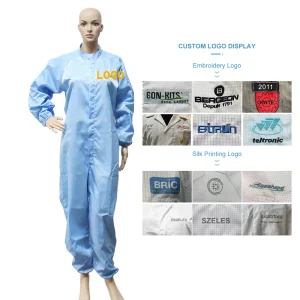
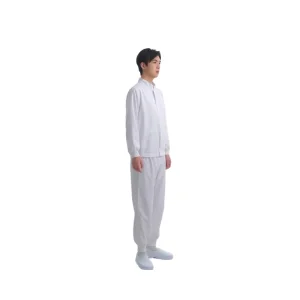
Technicians working inside highly controlled microfabrication cleanrooms must wear garments that act as a barrier to particles and control charges. Our ultra-clean anti-static coveralls feature continuous filament fibers that resist shedding, protecting silicon wafers from fiber dust and micro-sparks.
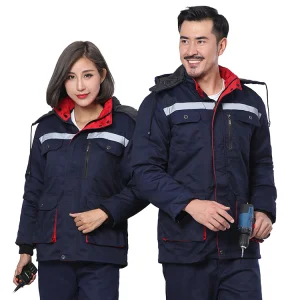
Outdoor work environments in tropical climates demand high-performance jackets that are both rain-resistant and anti-static. Heavy winds, rain, and proximity to fuel compounds require jackets to meet EN 343 for waterproofing and EN 1149 for static discharge control.
Handling bulk combustible chemicals during transport requires high-visibility safety clothing with active static dissipation. Our reflective designs ensure visibility, while the conductive grid patterns in the fabric prevent spark discharge during handling.
Understanding ESD safety requirements, materials selection, and standard regulatory compliance.
Our anti-static garments incorporate conductive carbon yarns woven in a grid (typically 5mm x 5mm or 2.5mm x 2.5mm) or stripe pattern into the primary synthetic fiber base (polyester/cotton blend). This structural grid acts as a Faraday cage, distributing localized electrostatic buildup across the entire surface of the fabric. This configuration enables safe, continuous charge decay into the surrounding air via corona discharge, preventing sudden spark releases.
While Singapore's natural ambient humidity (often over 70% RH) helps naturally dissipate surface static charge on most materials, indoor manufacturing facilities, laboratories, and wafer fabs use heavy HVAC dehumidification. These cleanrooms operate at 30% to 50% RH, a dry range where electrostatic generation increases significantly. Therefore, relying on environmental moisture is insufficient; specialized anti-static protective wear remains mandatory for cleanrooms and wafer fabs.
Our premium reusable ESD garments are rated for 50 to 100 industrial wash cycles under recommended thermal and chemical parameters (pH < 9, temperature < 40°C, and no chlorine bleach). Standard polyester garments with topical chemical coatings lose their anti-static properties after a few wash cycles. In contrast, our garments feature permanently integrated conductive carbon fibers that remain active throughout the garment's operational lifespan.
Yes, we provide full OEM and ODM services. We offer custom embroidery, logo printing, safety strip placement, and size adaptations for Asian, European, and US sizing. When placing custom logos, we use conductive threads or heat-applied ESD-compliant logo backings to prevent disruption of the garment's electrostatic continuity path.
Yes. Our ESD cleanroom jackets and coveralls use continuous-filament polyester yarns that resist linting and shedding. During the design and sewing processes, we envelope raw seams to prevent fraying and minimize particulate release. This design meets the requirements of Class 100 (ISO 5) cleanrooms, making them suitable for semiconductor and biomedical production.
For standard safety wear designs with ready fabric stock, our typical production lead time is 30 to 45 days. Custom fabric formulations or specialized hazard certifications can extend this to 60 days. Shipments from our Fuzhou facility to Singapore ports take approximately 7 to 10 days by sea, providing a reliable and cost-effective shipping route.
Contact our technical sales team for sample requests, fabric specifications, compliance test reports, and factory direct quotes.
Send Inquiry Now Jennie Fashion