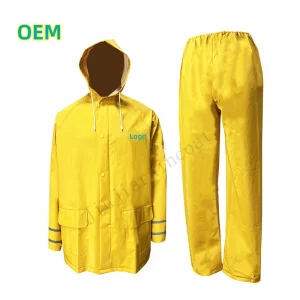
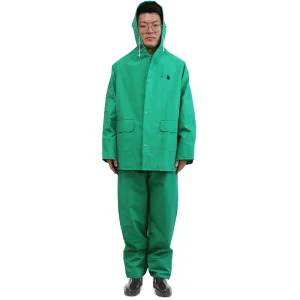
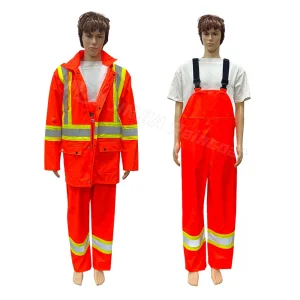
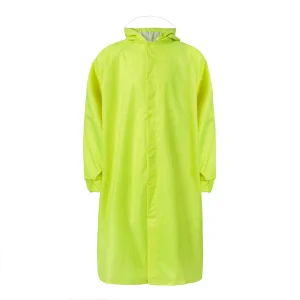
Namibia presents a highly challenging geographical profile. The coastal strip around Walvis Bay, Swakopmund, and Lüderitz experiences dense, corrosive Atlantic fog combined with high humidity, salinity, and cold temperatures. Conversely, interior mining hubs like the Erongo region and Tsumeb face intense solar radiation and sudden, heavy convective thunderstorms. Standard industrial raincoats degrade quickly under continuous UV exposure or crack under rapid shifts from humid to arid atmospheres. Our flame-resistant (FR) protective gear uses advanced polymer formulations that retain their elastic properties and fire retardancy despite high UV indices and marine corrosion.
Namibia is a global leader in diamond, uranium, and base metal extraction. The rapid development of offshore oil and gas prospects in the Orange Basin has introduced complex risks. Industrial workers face high-voltage electrical hazards, explosive gases, hydrocarbon splashes, and heavy rain simultaneously. Standard rain gear made of untreated nylon or polyester acts as fuel during a flash fire or electrical arc incident, melting directly onto the skin. Flame-resistant rain gear is critical to prevent catastrophic secondary burns, providing water protection while self-extinguishing within milliseconds of exposure.
Section 39 of the Namibian Labour Act (Act No. 11 of 2007) mandates that employers provide a safe working environment and supply appropriate Personal Protective Equipment (PPE) at no cost. For electrical utilities (such as NamPower), mining organizations, and marine port workers (Namport), procurement teams must align with international standards. Our FR rain gear is certified under EN ISO 14116 (protection against limited flame spread), EN 343 (resistance to water penetration and water vapor resistance), and ASTM F1891 / ASTM F2733 (arc flash and flash fire protection for rainwear), ensuring full compliance with both global standards and local safety inspectorates.
Developing high-performance protective wear requires precise engineering. Below is the technical breakdown of the membrane structures, coatings, and manufacturing technologies used to deliver lightweight, breathable, and flame-retardant protection.
| Material Composition | Key Standard Compliance | Target Industry / Hazards | Performance Metrics |
|---|---|---|---|
| FR Polyurethane (PU) on Aramid Knit | ASTM F1891, EN ISO 14116 Index 3, EN 343 3:3 | Electrical Utilities, Substation Maintenance, Petrochemical Fields | Arc Rating (ATPV) > 8 cal/cm², hydrostatic water resistance > 10,000mm. Highly breathable. |
| Heavy Duty FR PVC on Polyester Base | ASTM F2733, EN ISO 20471 Class 3, EN 343 3:1 | Heavy Mining Operations, Deep Shafts, Marine Oil Rigs | Self-extinguishes < 2s, high chemical splashes protection (acids/alkalis/fuels). Extreme durability. |
| Breathable TPU Membrane Laminates | EN 1149-5 (Anti-static), EN 343 4:4, NFPA 2112 | Refineries, Offshore Drillships, Explosive Dust Zones (ATEX) | MVTR > 5000 g/m²/24h, zero electrostatic buildup, low thermal shrinkage. High comfort. |
The outer shell of our rain gear is engineered with self-extinguishing polymers. During an electrical arc flash, the material carbonizes to form a protective thermal barrier, reflecting heat and protecting internal tissues from severe burns.
Our seams are sealed with high-frequency RF (Radio Frequency) welding and hot-air welding technology. This fuses the panels into a single waterproof sheet, preventing leaks along seam lines even under high-pressure wind-driven rain.
In hot Namibian inland mines, heat exhaustion is a critical risk. Our micro-porous FR PU fabrics allow moisture and perspiration to escape while preventing rain droplets from entering, helping to regulate core body temperature.
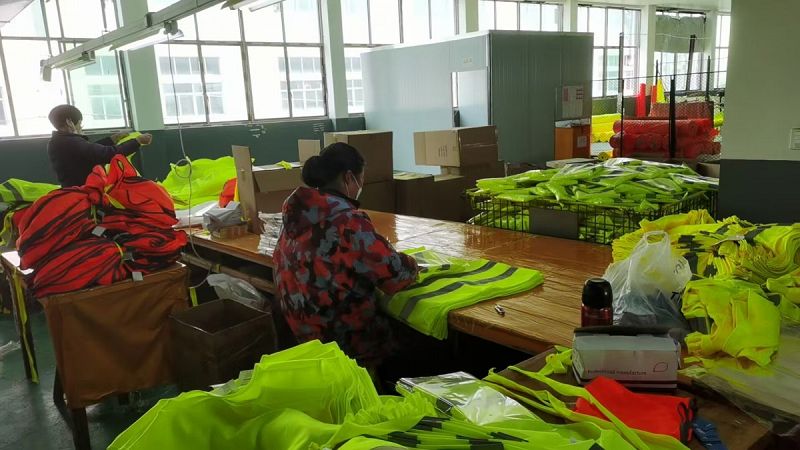
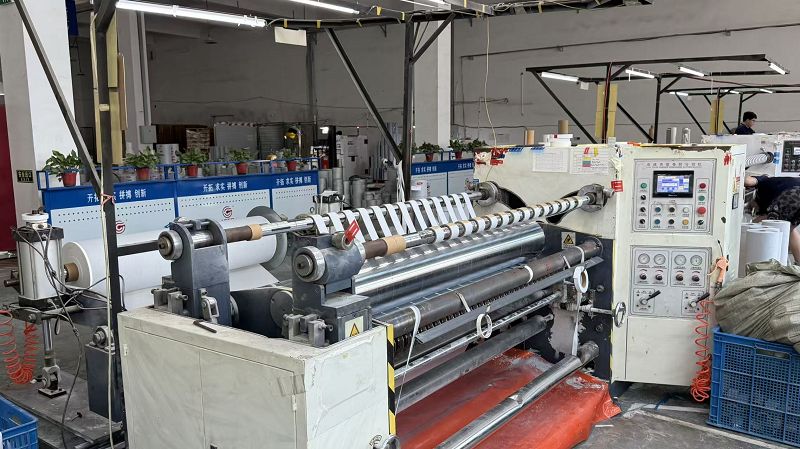
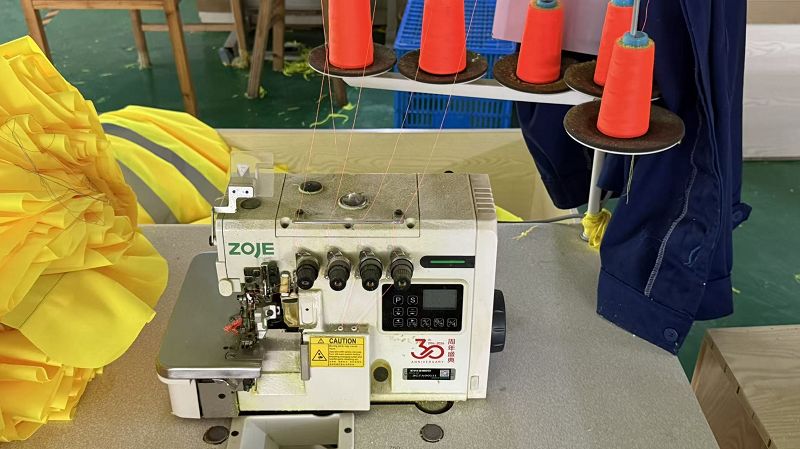
Fuzhou Jennie Fashion Co., Ltd. is a professional manufacturer with decades of experience in the rainwear and outdoor functional apparel industry. Over the years, we have developed strong expertise in sourcing, designing, and producing a wide range of high-quality garments, building a solid reputation in both domestic and international markets.
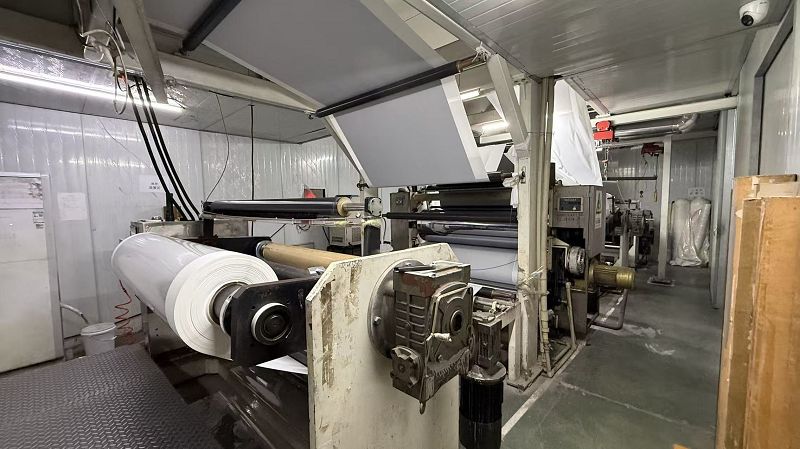
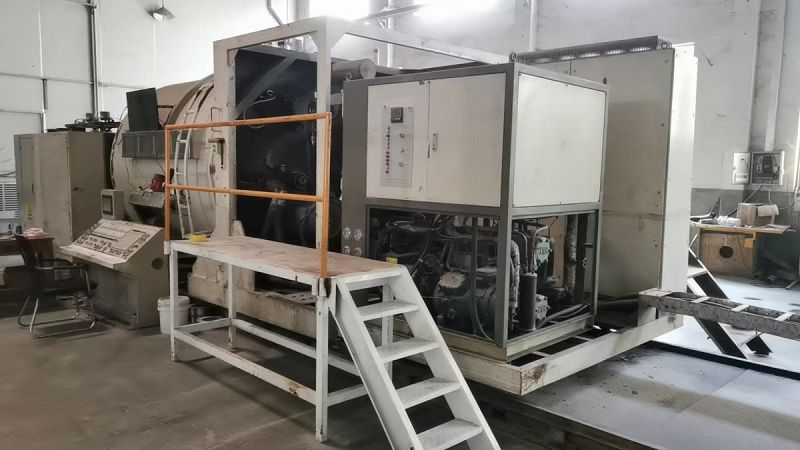
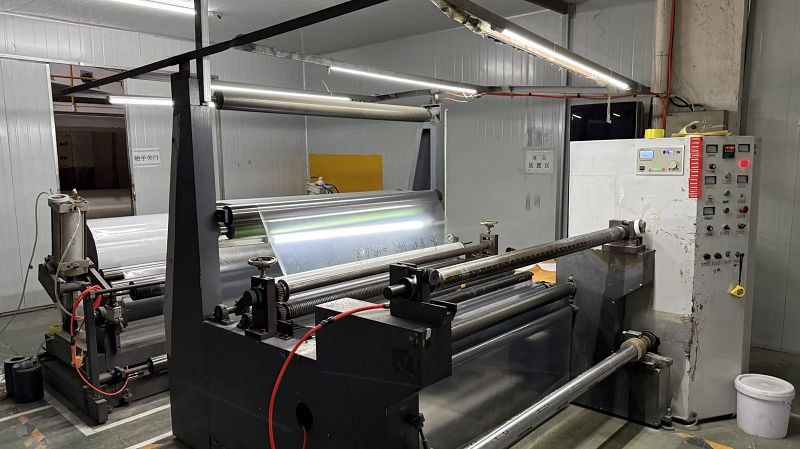
With advanced manufacturing facilities and a skilled production team, we maintain strict quality control throughout every stage of production—from material selection to final inspection. This enables us to continuously deliver stylish, high-performance, and competitively priced products that meet diverse customer needs and comply with international standards, especially European and American safety regulations.
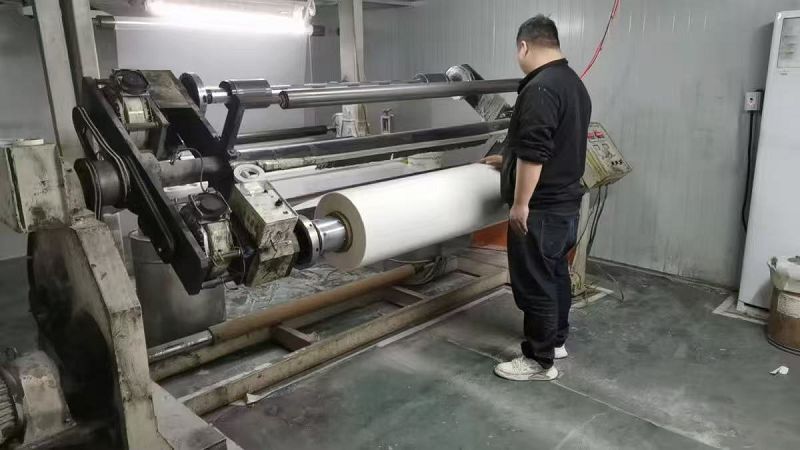
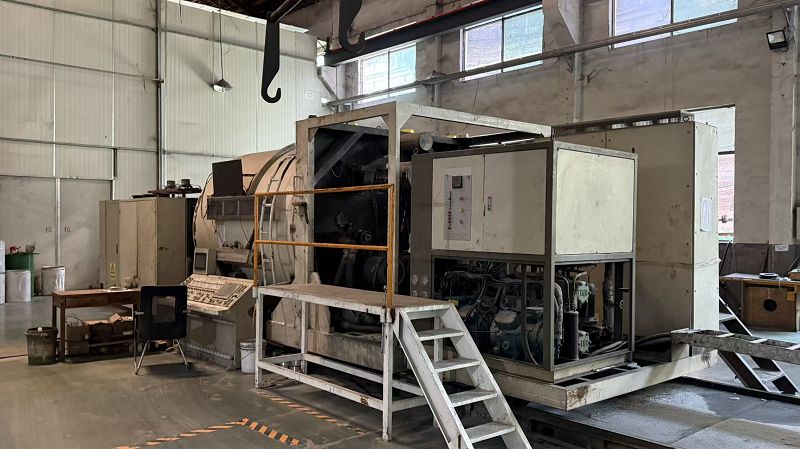
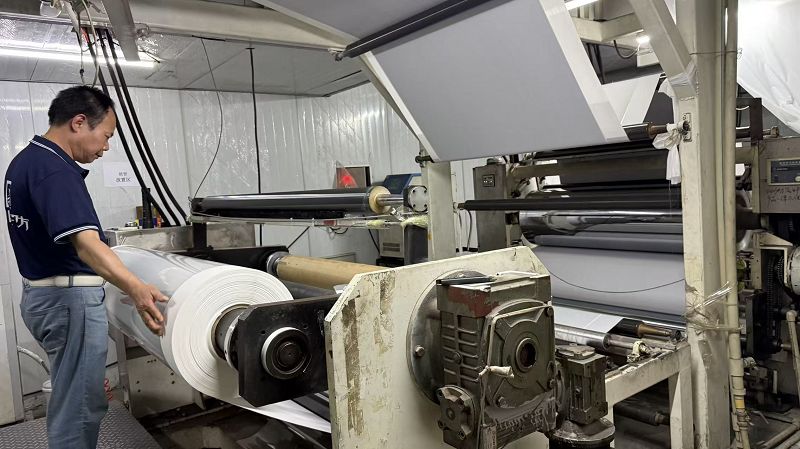
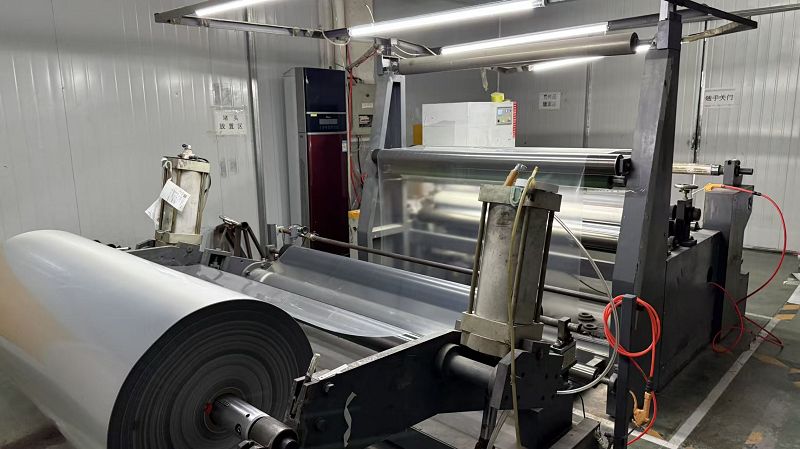
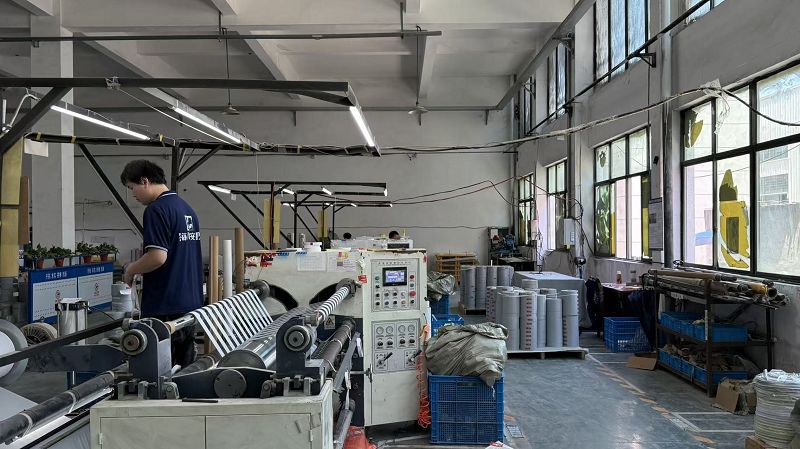
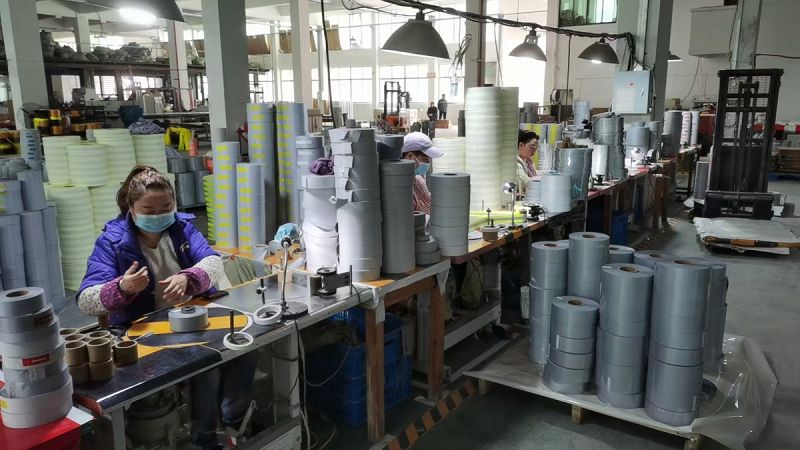
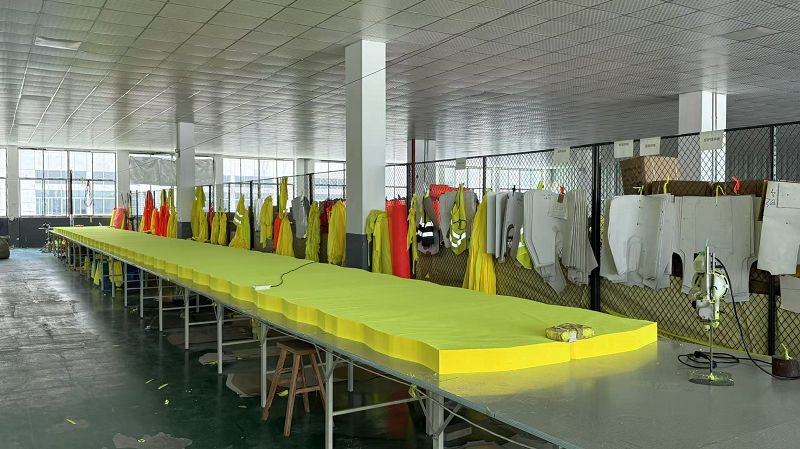
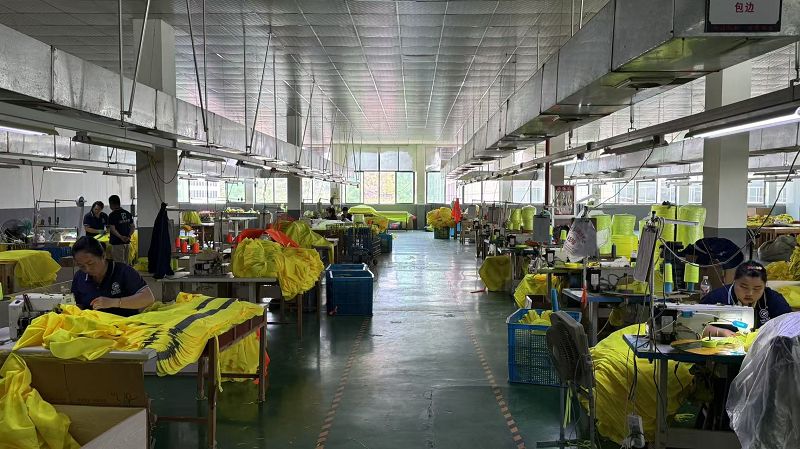
Made from 100% polyester, with or without TPU membrane, our softshell garments offer waterproof, breathable, lightweight, and stylish performance. They provide excellent comfort, warmth, and flexibility for outdoor and urban use.
We use high-quality stretchable PU, PVC, and EVA materials. All seams are fully welded to ensure maximum waterproof protection in heavy rain conditions. Products are available with or without printing and lining, and include jackets, pants, bib pants, and ponchos—designed to keep users dry and comfortable in all weather conditions.
Our workwear collection includes Hi-Vis PU and non Hi-Vis PU options, with breathable or non-breathable fabrics and optional lining. Designed for safety and durability, these products comply with standards such as EN ISO 20471, EN 343, EN 531, and EN 533. The range includes jackets, pants, coveralls, bib pants, and padded parkas, ensuring protection, visibility, and comfort in demanding work environments.
Crafted from 100% nylon or polyester with functional coatings, our outdoor wear includes padded or non-padded designs. With waterproof and breathable performance and fully taped seams, these garments are ideal for skiing, hiking, sports, and other outdoor activities, combining functionality with modern fashion aesthetics.
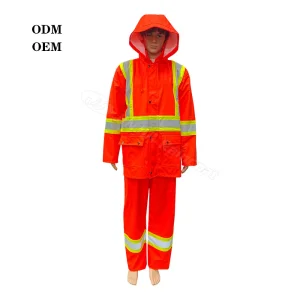
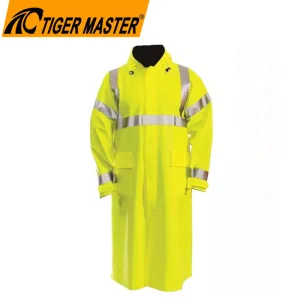
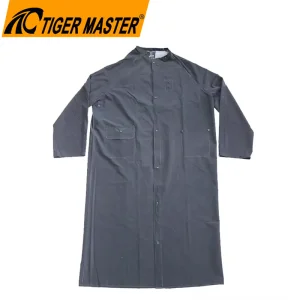
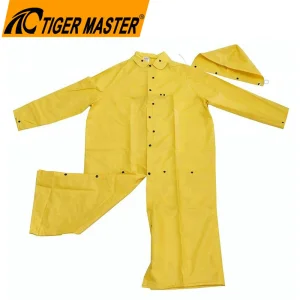
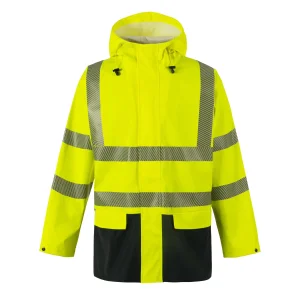
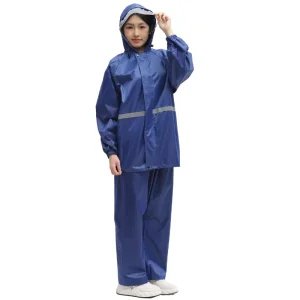
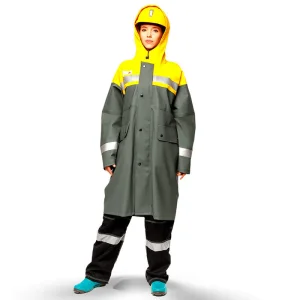
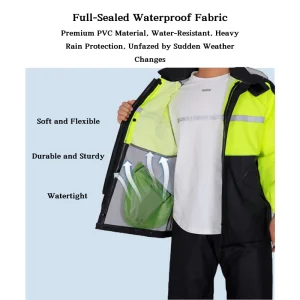
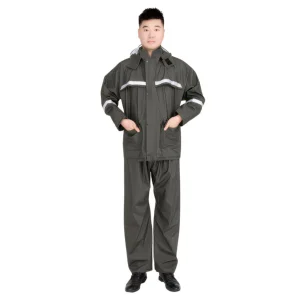
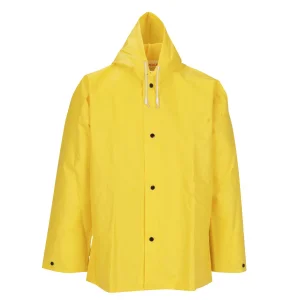
Large-scale infrastructure and industrial projects demand custom branding, sizing options, and precise technical specifications. We provide complete OEM (Original Equipment Manufacturer) and ODM (Original Design Manufacturer) solutions, tailoring features such as reinforced radio loops, specialized harnesses, detachable storm hoods, and segmented heat-transferred reflective piping. Our direct-factory delivery process reduces mid-tier agency markups, offering competitive volume discounts for major operations in Windhoek, Walvis Bay, Swakopmund, and remote mining sites.
The future of industrial safety clothing focuses on environmental sustainability and enhanced safety feedback. Traditional halogen-based chemical fire retardants are being phased out in favor of eco-friendly, bio-based flame-retardant barriers. Additionally, we are actively testing the integration of anti-static carbon filaments directly into the high-frequency laminate backings. This prevents physical static discharge in volatile environments, ensuring protection against fire, electricity, rain, and dry air hazards.
 Jennie Fashion