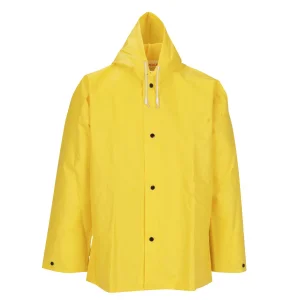
Select premium flame-resistant, waterproof and chemical-protective apparel designed to excel under Germany's strict safety standards.
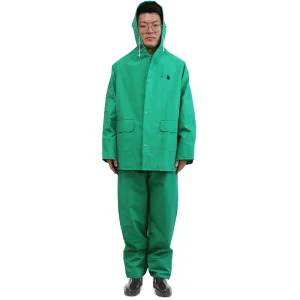
The German industrial sector, known for its stringent adherence to work safety protocols, demands high-performance personal protective equipment (PPE) that protects against overlapping workplace hazards. German safety directives, monitored closely by the Deutsche Gesetzliche Unfallversicherung (DGUV) and local trade associations (Berufsgenossenschaften), mandate that workers in petrochemical processing, electrical grid maintenance, offshore wind energy, and road infrastructure be equipped with certified protective wear.
Traditional outdoor wear falls short when explosive atmospheres, high-voltage equipment, or chemical spill hazards are coupled with inclement northern European weather. Herein lies the requirement for premium, high-integrity Flame-Resistant (FR) Rain Gear. This whitepaper analyzes materials technology, compliance landscapes, factory quality infrastructure, and localized supply strategies for importing industrial-grade waterproof FR garments into the German market.
To legitimately export and distribute flame-resistant rainwear into Germany, products must display the CE mark and verify compliance with European Norm (EN) standards. Procurement officers in corporate organizations like RWE, E.ON, or BASF systematically cross-reference these certifications before approving catalog inclusions.
EN ISO 14116 defines the limited flame spread properties of materials and assemblies. For multi-hazard rain gear, materials are typically tested under Index 1, 2, or 3. Index 3 is the most demanding, requiring that the flame does not spread, no flaming debris falls, and no hole formation occurs. When raincoats incorporate thermal linings, EN ISO 11612 is invoked to guarantee protection against convective, radiant, and contact heat.
Under the revised EN 343 standard, protective garments are classified by water penetration resistance (Y) and water vapor resistance (R_et). High-performance FR rainwear must achieve Class 4:4 ratings:
| Standard Code | Core Safety Target | Key Parameters Tested | German Market Expectation |
|---|---|---|---|
| EN ISO 14116 | Flame Spread Resistance | Afterflame/afterglow times, hole formation | Index 3 for outer shell materials |
| EN 343:2019 | Rain/Foul Weather Barrier | Hydrostatic head, breathability index (Ret) | Class 4:4 (Waterproof & Breathable) |
| EN 1149-5 | Electrostatic Properties | Charge decay times, surface resistance | Mandatory for ATEX zones in chemical/gas sectors |
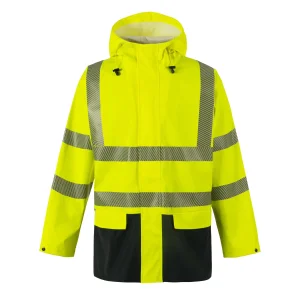
| EN ISO 20471 | High Visibility Signaling | Retroreflective tape retroreflection, background luminance | Class 3 for track workers and highway logistics |
Developing functional fabrics that balance waterproofness, breathability, chemical barrier properties, and flame retardancy requires advanced polymer chemistry.
FR Polyurethane coated stretch fabrics are highly favored in the German wind power and utilities sectors. PU coated garments are lightweight, highly flexible even in freezing Baltic winter temperatures, and offer excellent breathability. Hydrophilic PU membranes allow sweat molecules to pass out while blocking external rainwater, ensuring optimal wearer comfort.
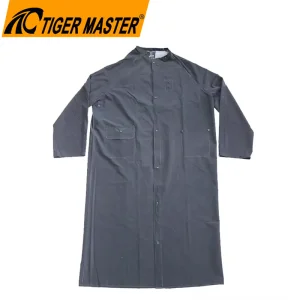
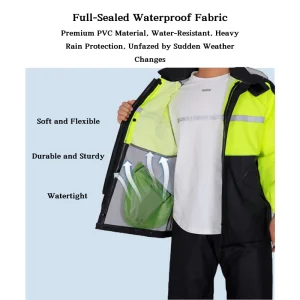
For petrochemical refineries, offshore oil rigs, and sanitation tasks, heavy-duty FR PVC coatings laminated to a polyester substrate are the standard choice. While less breathable than PU, FR PVC offers superior chemical resistance to acids, alkalis, and industrial hydrocarbons. These garments utilize high-frequency welded seams to ensure that chemical splashes do not penetrate seam stitches.
"The German Federal Institute for Occupational Safety and Health (BAuA) emphasizes the mitigation of heat stress. Selecting lightweight FR PU rain gear with a low Ret rating is not merely a comfort choice—it is a critical safety prevention measure against cardiovascular strain in humid, high-exposure environments."
As a leading partner in the global functional apparel supply chain, Fuzhou Jennie Fashion Co., Ltd. integrates decades of sourcing, design, and fabrication expertise to produce high-performance outdoor protective wear. Backed by advanced equipment, our facility addresses the rigorous specifications of the German market.
Operating under strict quality management processes, the company guarantees complete compliance with European regulations. Our production capabilities cover a broad range of high-performance product series:
Composed of 100% polyester fabric, optioned with or without a specialized TPU membrane, our softshell jackets deliver windproofing, high breathability, and lightweight comfort. This makes them ideal for both urban operations and standard technical support environments requiring clean, ergonomic fits.
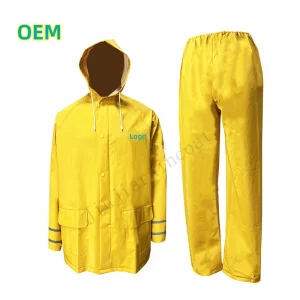
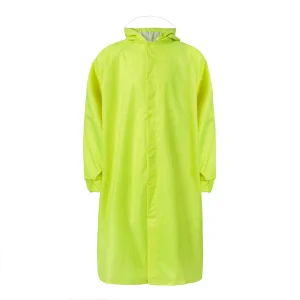
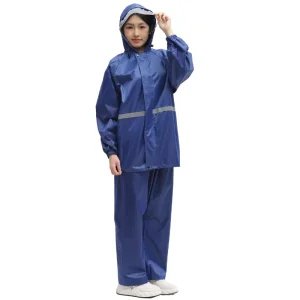
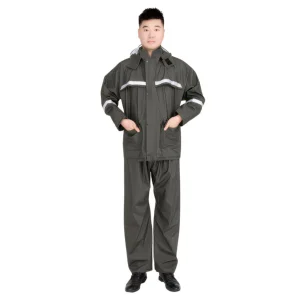
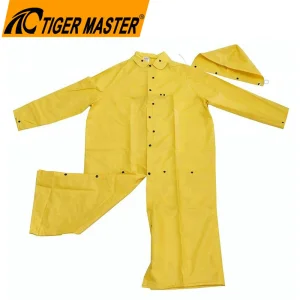
Utilizing high-grade, stretchable PU, PVC, and EVA materials, all seams are sealed using advanced hot-air welding technology. These processes ensure complete waterproof integrity in heavy storms. Available with custom printing, mesh or thermal lining, the collection features jackets, trousers, bib overalls, and ponchos.
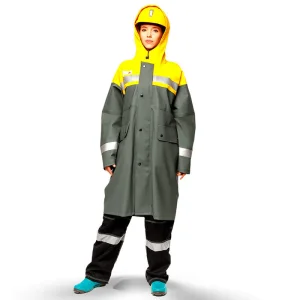
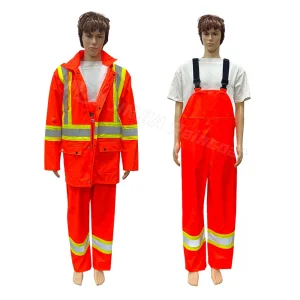
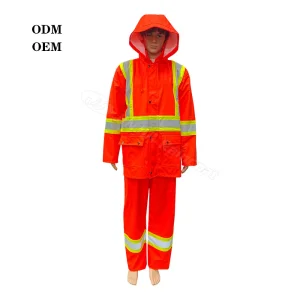
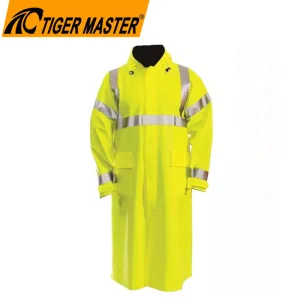
Specifically built for safety-critical environments, our workwear collection is available in High-Visibility PU and Standard PU materials, offering either breathable or high-barrier non-breathable finishes. Engineered to satisfy EN ISO 20471, EN 343, EN 531, and EN 533 safety standards, the range includes coveralls, padded parkas, and bib pants that secure high visibility and mechanical toughness.
Manufactured with 100% nylon or polyester structures treated with functional, environmental-friendly coatings. Outfitted with fully taped seams, these jackets and trousers are designed for demanding outdoor exposures, from alpine operations to logistics fields.
Engineered textiles matching unique operational tasks, from highway utility operations to specific infrastructure patrol duty.
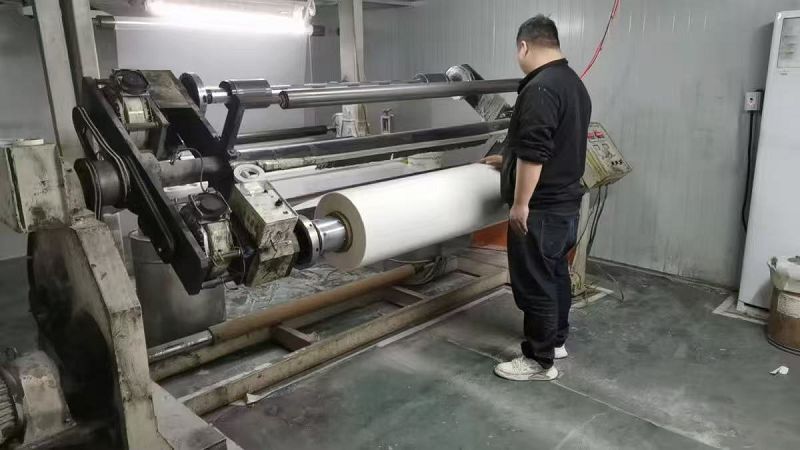
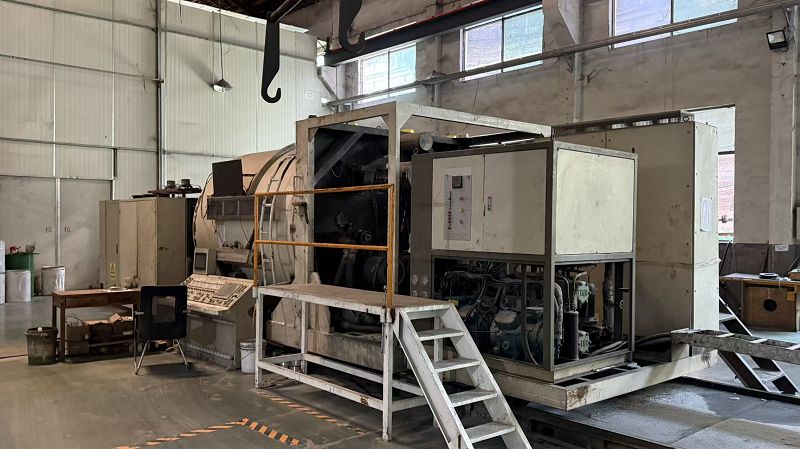
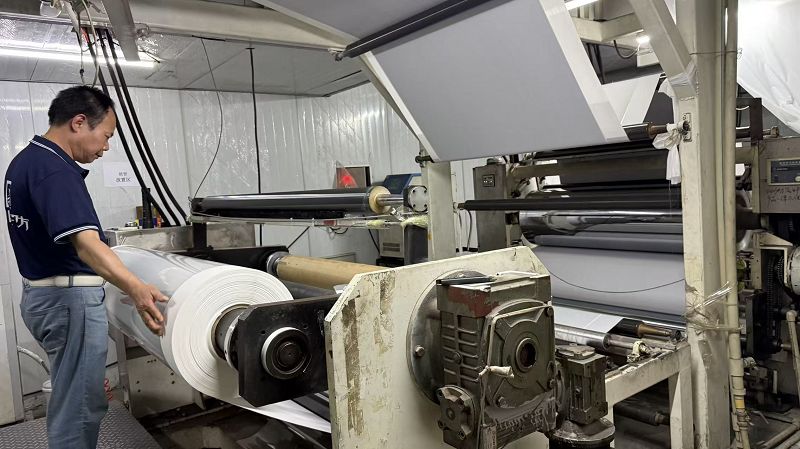
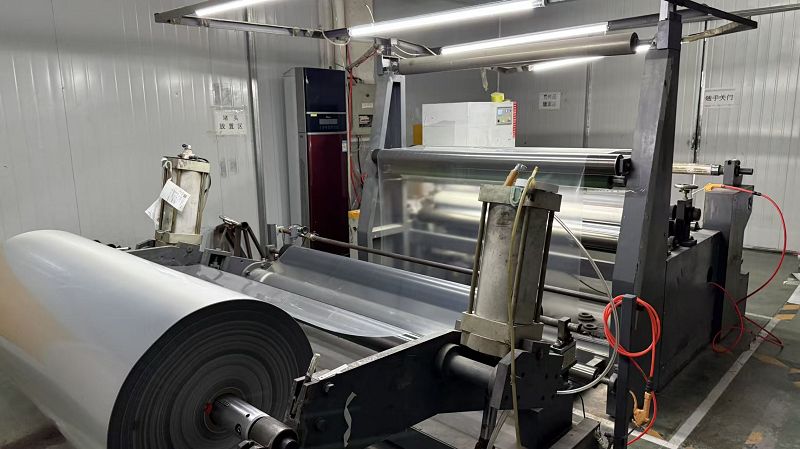
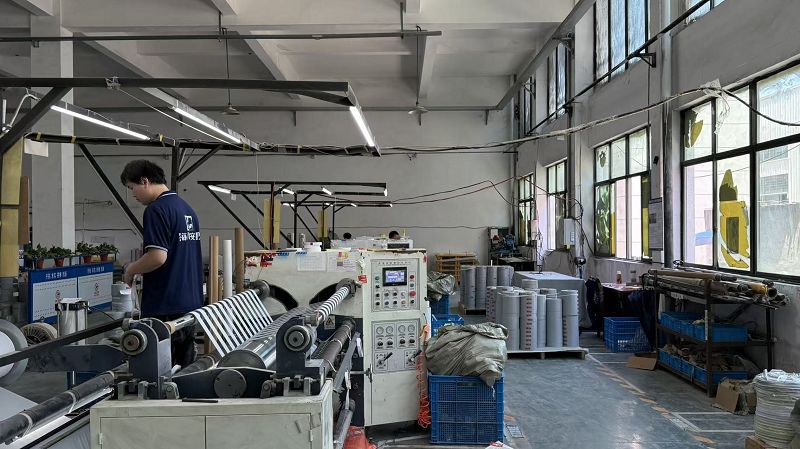
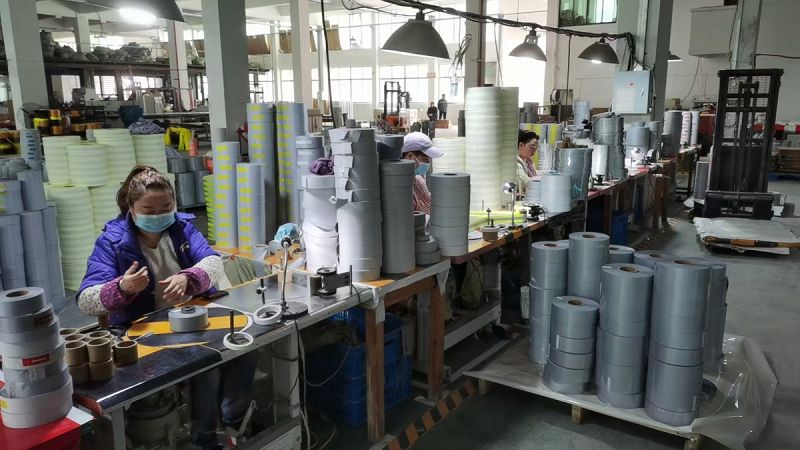
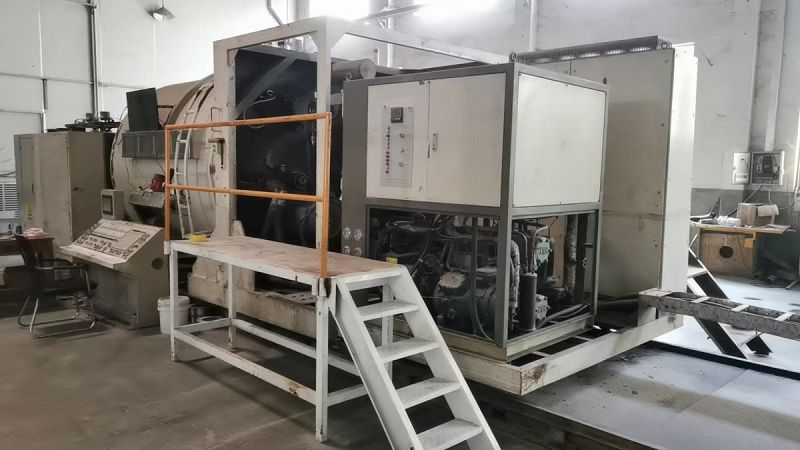
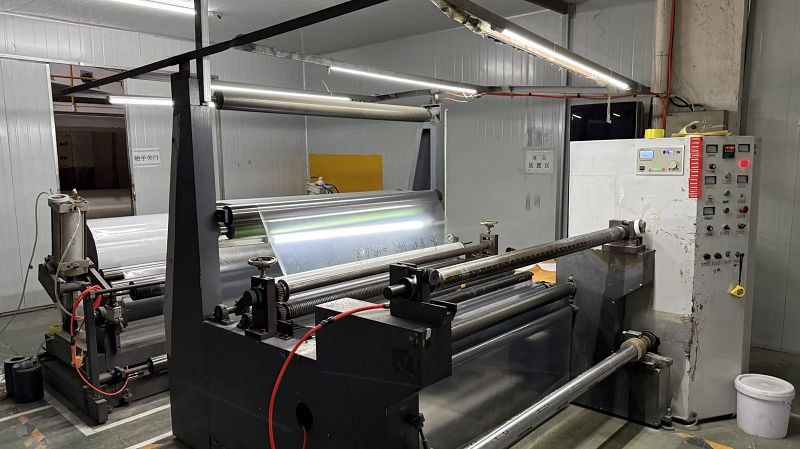
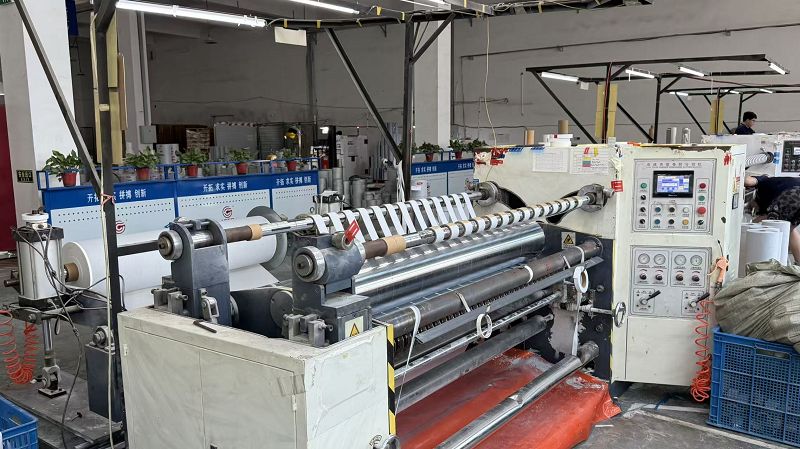
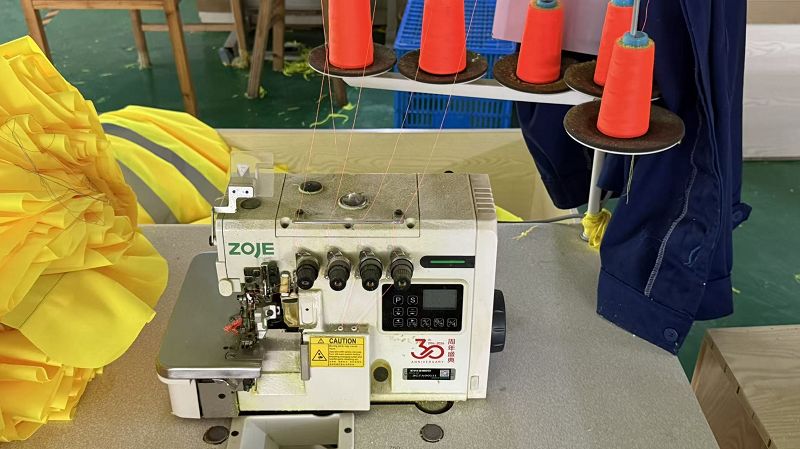
A deep look inside our modern China Factory 4.0 infrastructure, ensuring consistent physical characteristics and compliance margins.
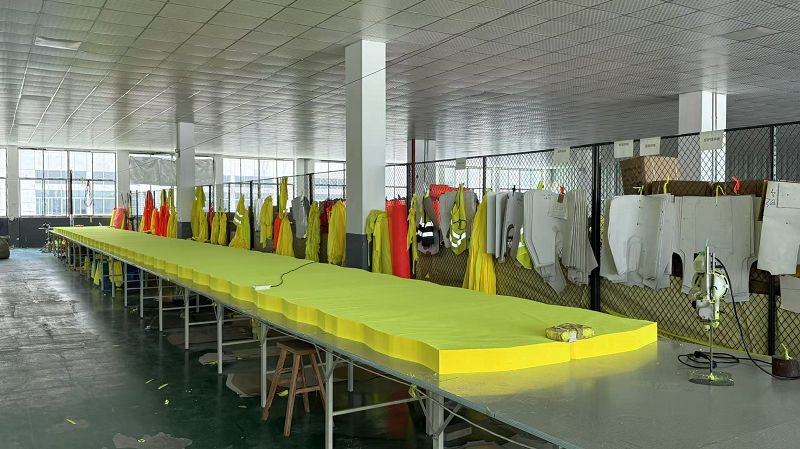
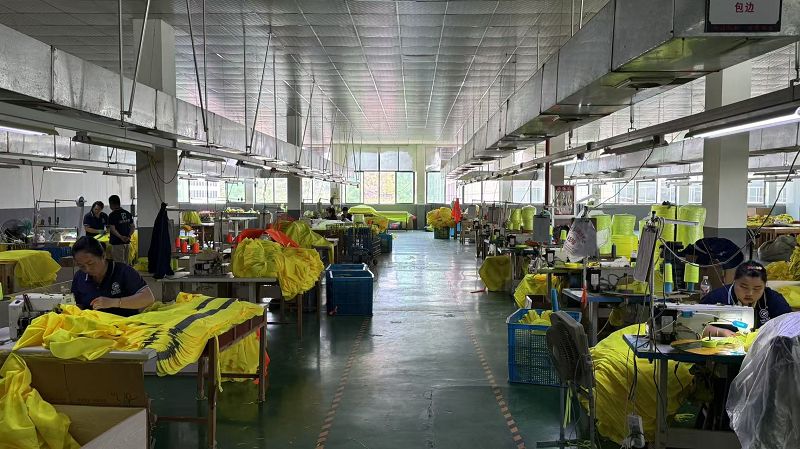
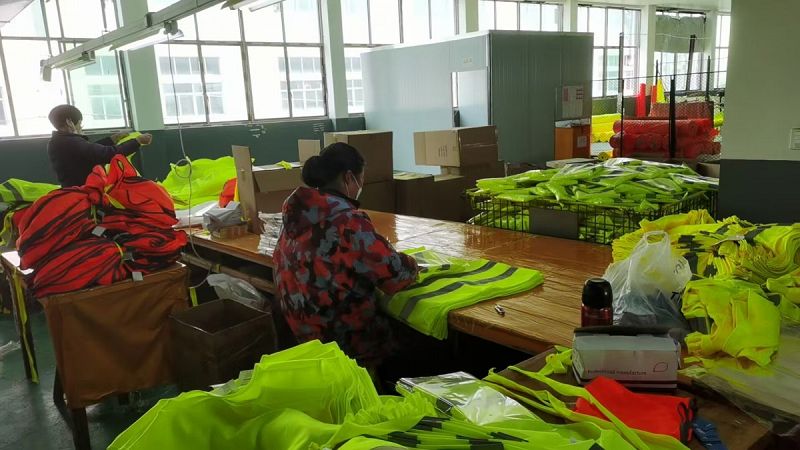
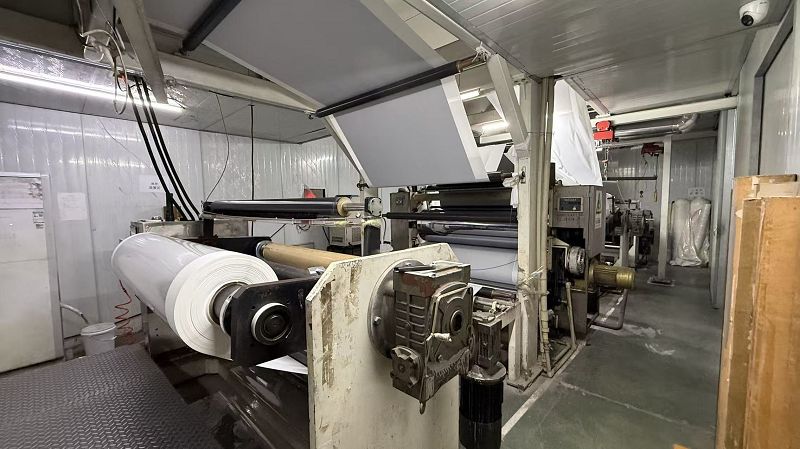
Entering the German enterprise network requires alignment with the **Lieferkettensorgfaltspflichtengesetz (LkSG)**, the German Supply Chain Due Diligence Act. This regulation penalizes human rights infractions and environmental negligence within global supplier chains.
At Fuzhou Jennie Fashion Co., Ltd., we establish complete supply chain transparency. Our manufacturing centers undergo annual independent audits (including BSCI and ISO 9001 certifications). The raw base fabrics and reflective elements we source are verified safe against skin contact under **OEKO-TEX Standard 100**, and we support PFAS-free DWR (Durable Water Repellent) surface treatments to align with Germany's strict environmental regulations.
We manage structured shipping lines directly to Germany’s primary logistics centers. For heavy bulk orders, sea freight paths are handled directly through the **Port of Hamburg** or the **Port of Bremerhaven**. For express prototype approvals and mid-tier fast-track replenishment cycles, we coordinate dry-port rail pathways via the **New Silk Road (Zhengzhou-Hamburg/Duisburg rail lines)**, minimizing transit times down to 15-18 days.
"Reliability in industrial procurement is measured by lead-time predictability and structural quality repeatability. By coordinating automated CAD cutting layouts and CNC high-frequency heat-sealing machines, we ensure a garment structural tolerance of under ± 2.5%, matching strict European ISO tolerances."
In chemical parks and electrical maintenance operations, static charge build-up is a critical hazard that can lead to explosions. German employers require anti-static certifications (EN 1149-5) for any protective apparel used in ATEX-designated atmospheres.
Our materials integrate carbon-core conductive grids woven directly into the polyester lining or blended into the outer PU membrane. This allows electrical charges to bleed off safely into the atmosphere, bypassing the risk of sparking. Additionally, for technicians facing electric arc flash hazards (utility infrastructure, electrical substations), we manufacture PU-laminated fabrics certified to **IEC 61482-2** (Class 1 and Class 2 / Open Arc testing), shielding workers from thermal energy risks.
Browse our primary collection of performance waterproofs, outdoor functional wear, and heavy industrial protection gear.
Get answers to technical, compliance, and logistical inquiries regarding imports of flame-resistant rain gear into Germany.
Talk directly with our technical sourcing specialists to organize customized prototypes, confirm certificate validations, and receive custom bulk quotes for your industrial project.
Send Inquiry Now Jennie Fashion