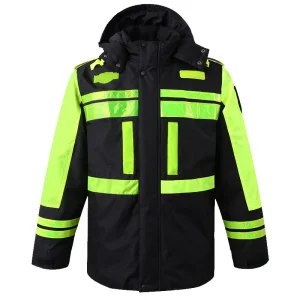
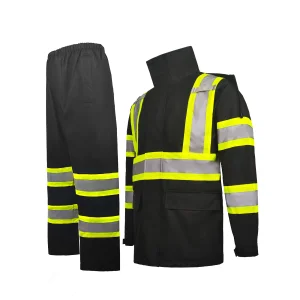
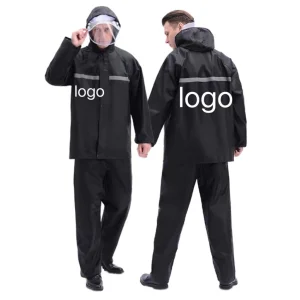
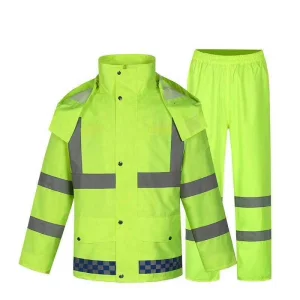
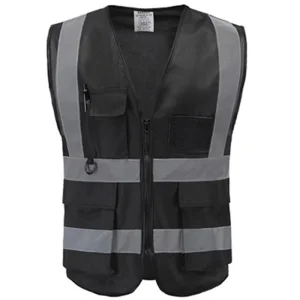
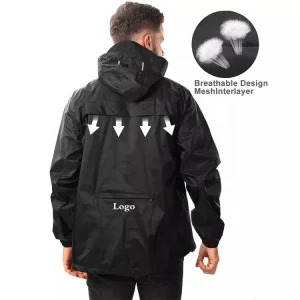
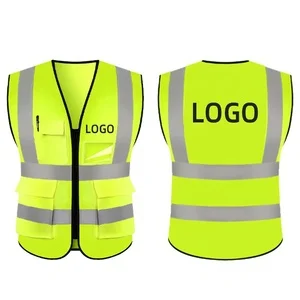
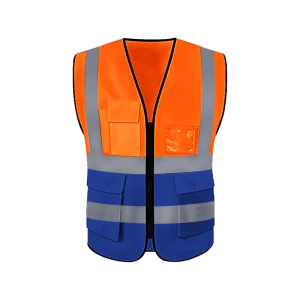
High-Visibility Rainwear Supplier & Exporter serving Japan

JIS T 8127 Compliant Safety Apparel | Industrial Grade Waterproofing | China Direct Supply Chain

Send Inquiry Now

Industrial & Meteorological Safety Landscape in Japan

An in-depth analysis of climate challenges, JIS compliance, and the demand for high-visibility protective rainwear.

Weather Constraints and Environmental Hazards

Japan’s diverse climate demands highly specific protective gear. The country faces unique meteorological challenges, including the intense rainy season known as Tsuyu (梅雨) from June to July, followed by late-summer typhoons (台風) that bring torrential downpours and low-visibility conditions. Furthermore, the northern prefectures—such as Hokkaido, Niigata, and Tohoku (often referred to as *Yukiguni* or snow country)—experience heavy winter snowfall.

For outdoor workers in construction, logistics, and railway maintenance, visibility is a critical factor in preventing workplace fatalities. Operating under heavy rainfall, dense fog, or winter blizzards dramatically reduces reaction time for vehicle operators. High-visibility rainwear must therefore combine excellent hydrostatic water resistance (exceeding 10,000mm to 20,000mm H2O column tests) with high-intensity retroreflective coefficients (over 330 cd/lx/m²) to protect worker lives.

Key Safety Regulations: JIS T 8127 Compliance

Under the Japanese Industrial Standards (JIS) framework, JIS T 8127 defines the requirements for High-Visibility Safety Clothing. This standard is closely aligned with the international standard EN ISO 20471 and outlines three distinct classes of protective performance:

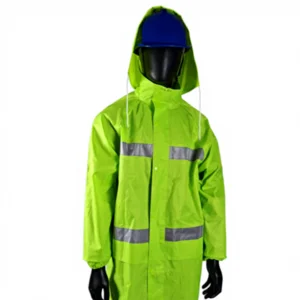
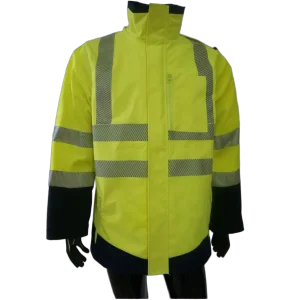
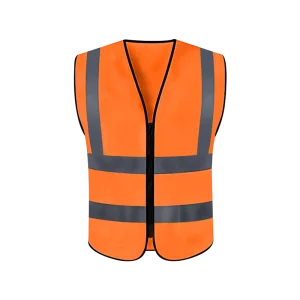
  • JIS Class 3: Designed for high-risk environments (e.g., expressways, railway tracks). Requires a minimum of 0.80 m² of fluorescent material and 0.20 m² of retroreflective tape.
  • JIS Class 2: Ideal for public roads, construction sites, and logistics yards. Requires 0.50 m² of fluorescent material and 0.13 m² of reflective tape.
  • JIS Class 1: Suitable for low-speed environments or as supplementary safety trim.
20k+
Waterproof (mm H2O)
5,000+
Breathability (g/m²/24h)
330+
Reflective Coeff. (cd/lx/m²)
-20°C
Cold-Crack Resistance

Advanced Manufacturing & Supply Chain Synergy from China

Why Fuzhou Jennie Fashion Co., Ltd. is the leading partner for global and domestic Japanese industrial apparel procurement.

Fuzhou Jennie Fashion Co., Ltd. stands as a premier manufacturer in the professional rainwear and functional outdoor apparel sector, boasting decades of experience. Operating out of Fuzhou, a global hub for industrial textiles, we leverage localized raw materials, advanced polymer research, and modern machinery to produce highly competitive, standard-compliant garments.

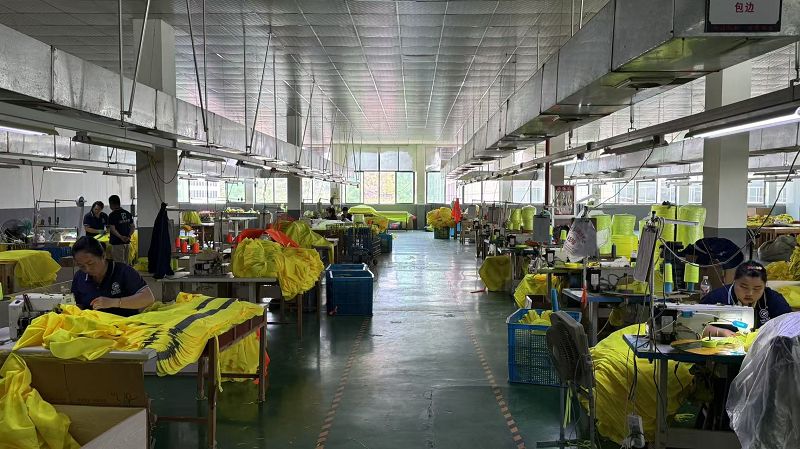
Our core manufacturing philosophy centers on vertical integration and technological precision. Unlike standard garment factories, we maintain control over polymer coating application, laminating processes, seam welding, and retroreflective attachment. This structural control ensures that our garments do not experience delamination or reflective peeling, even after multiple commercial wash cycles.

We offer comprehensive OEM (Original Equipment Manufacturer) and ODM (Original Design Manufacturer) services. Our design team creates tailored patterns specifically engineered for the Japanese physique, featuring shorter sleeve adjustments, enhanced shoulder mobility, and dedicated slots for regional equipment such as portable hand scanners, measuring tools, and safety radio systems.
Our Product Series Highlights

  • Softshell Series: Made of 100% polyester with optional breathable TPU membrane, ensuring comfort, lightweight flexibility, and sleek design for urban transit and active outdoor environments.
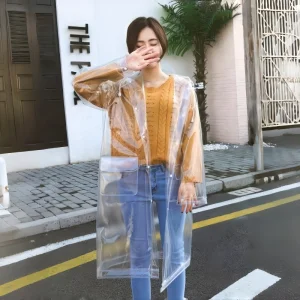
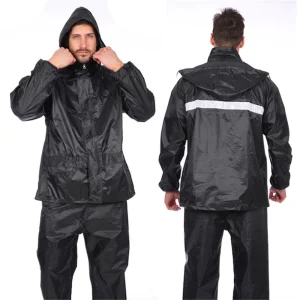
  • Rainwear Series: Uses high-grade stretchable PU, heavy-duty PVC, and environment-friendly EVA with fully hot-welded seams for total water tightness.
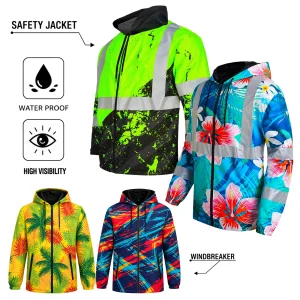
  • Workwear Series: High-visibility and standard workwear complying with EN ISO 20471, EN 343, EN 531, and EN 533. Highly resistant to tears, abrasions, and extreme weather.
  • Outdoor Wear Series: 100% nylon/polyester fabrics with highly functional breathability and insulation, perfect for winter high-altitude work and skiing.

Inside Our Advanced Manufacturing Facility

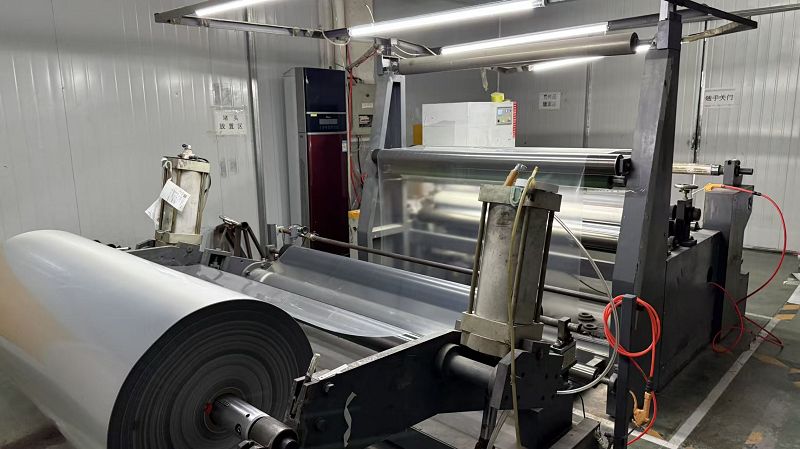
Planting beads Line
Planting beads Line
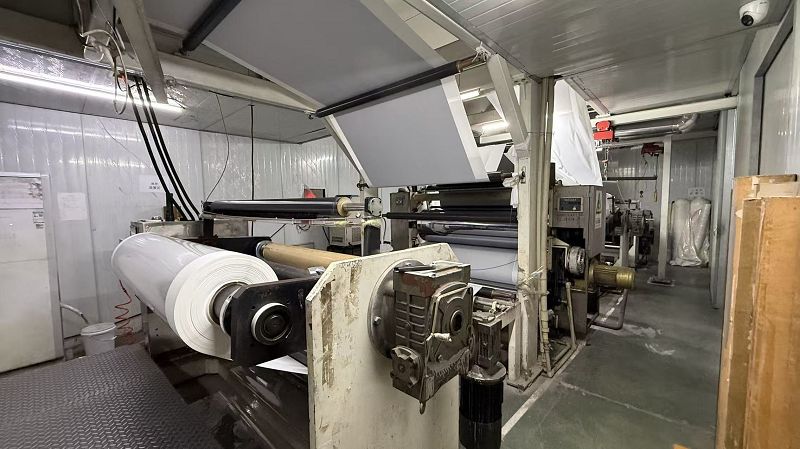
Aluminizing Line
Aluminizing Line
Recombination Line
Recombination Line
Rolling Line
Rolling Line
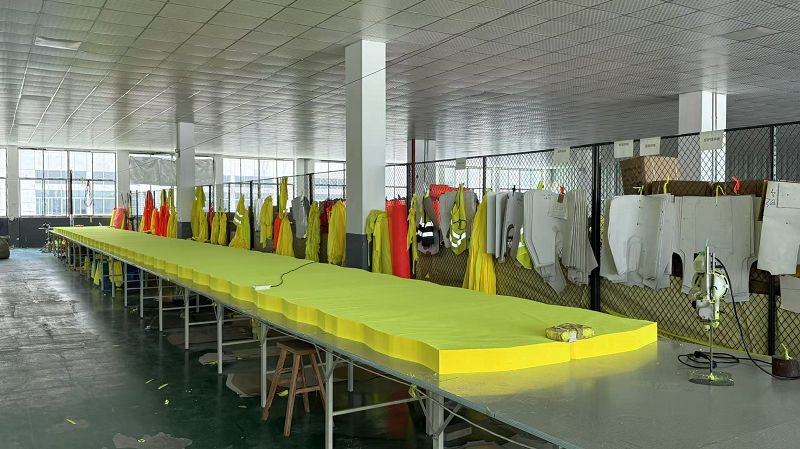
Cutting Line
Cutting Line
Inspection Line
Inspection Line
Cutting Line
Cutting Line
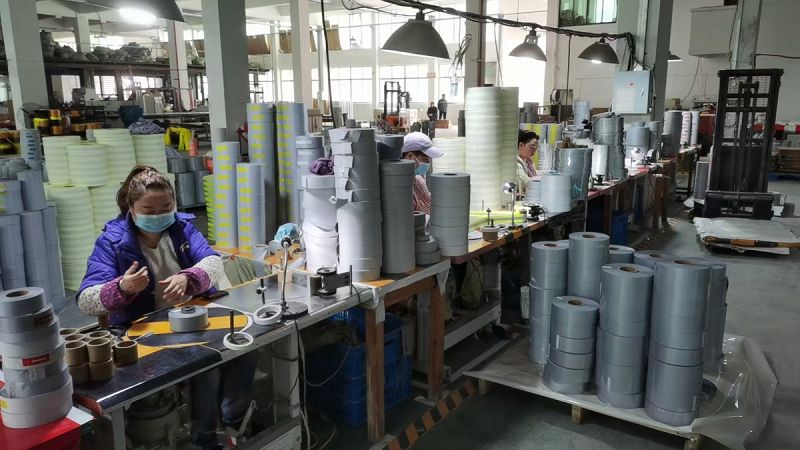
Sewing Line
Sewing Line
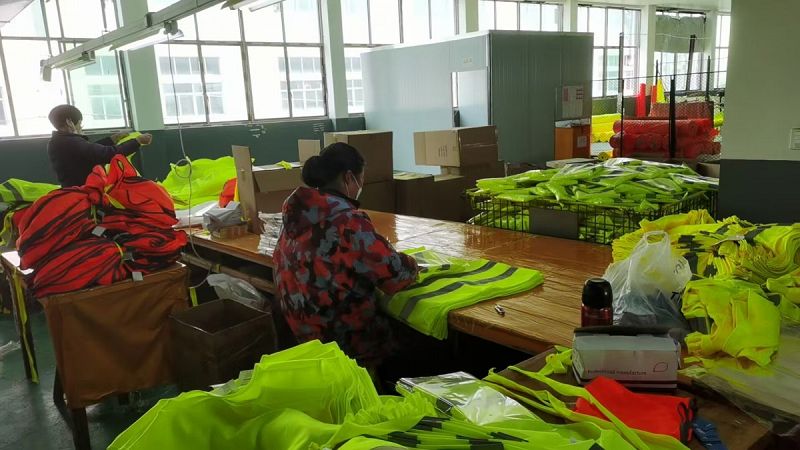
Packaging Line
Packaging Line
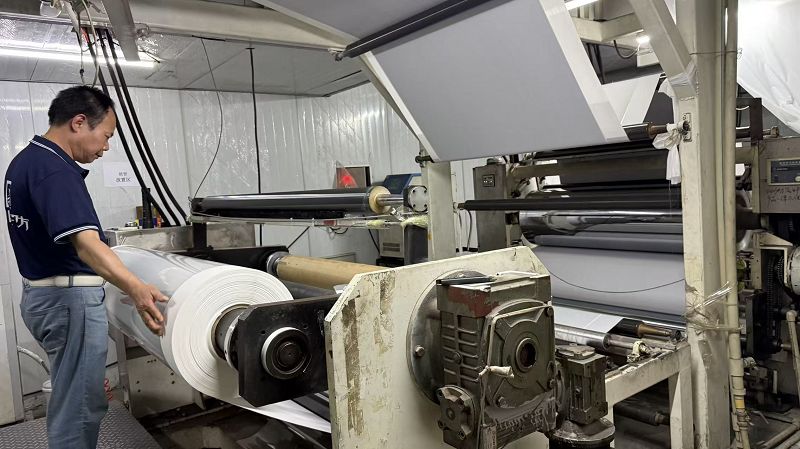
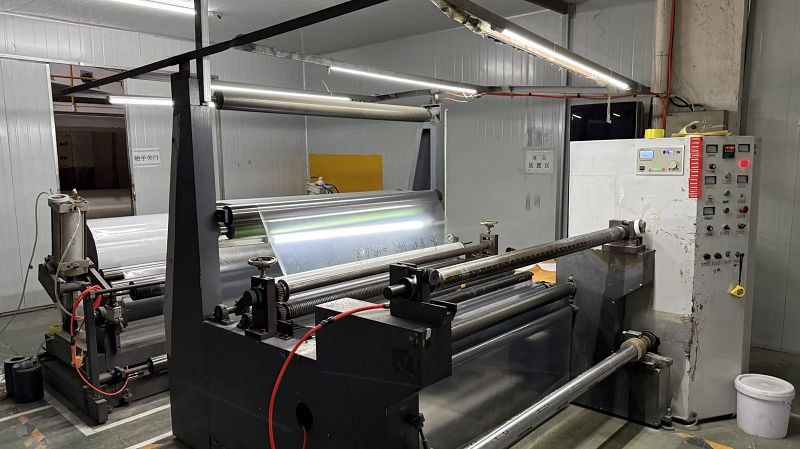
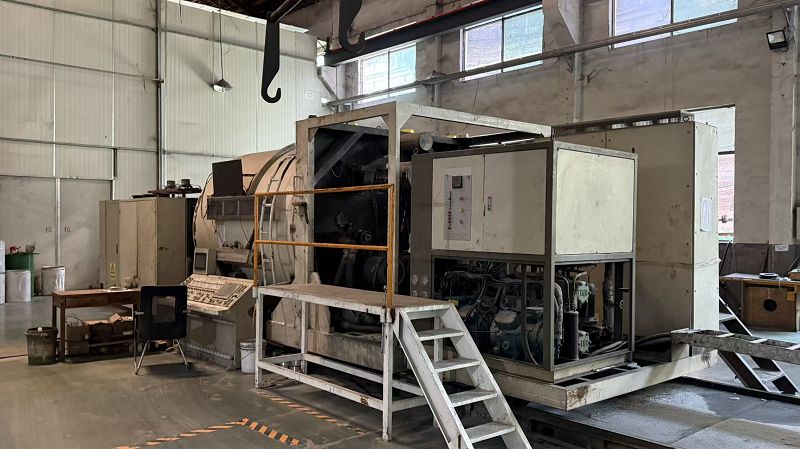
Coating Compounding Machine
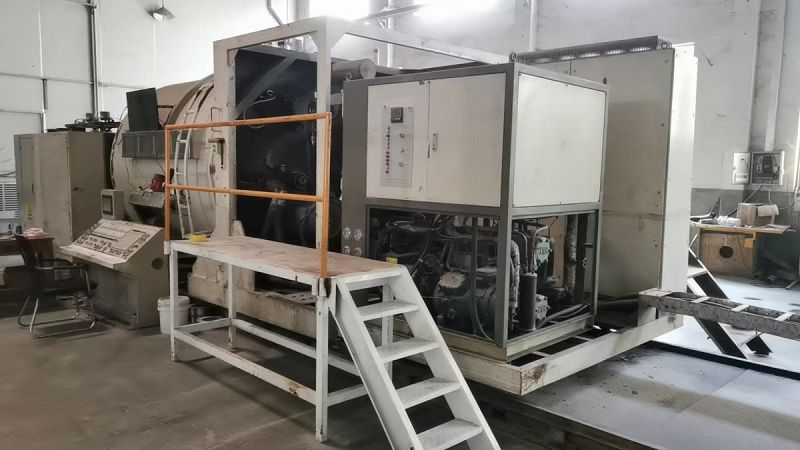
Aluminum Plating Machine
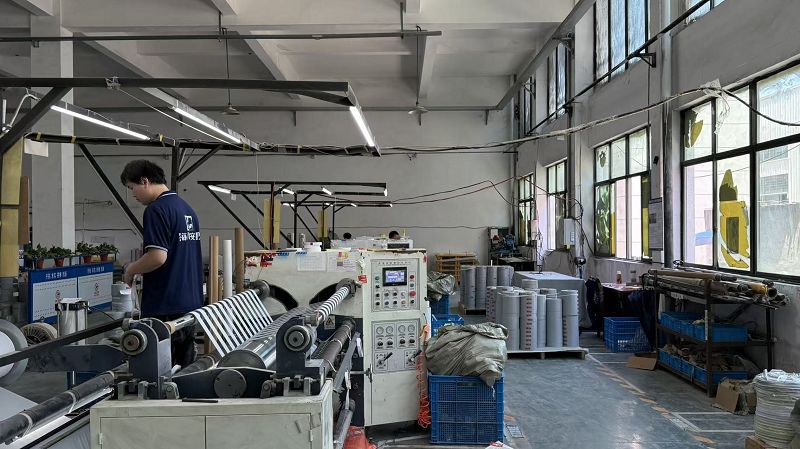
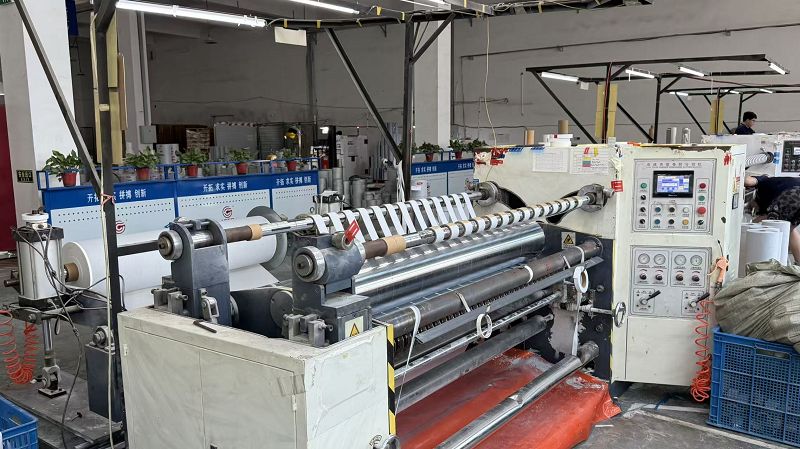
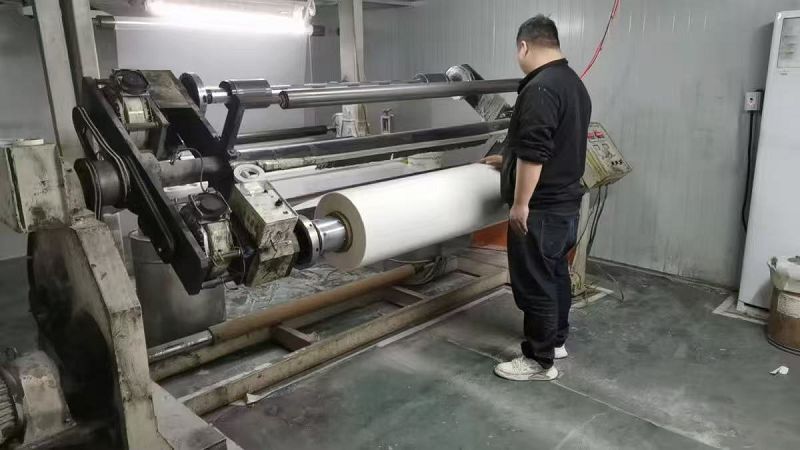
Rewinder
Rewinder
Cutting Machine
Cutting Machine
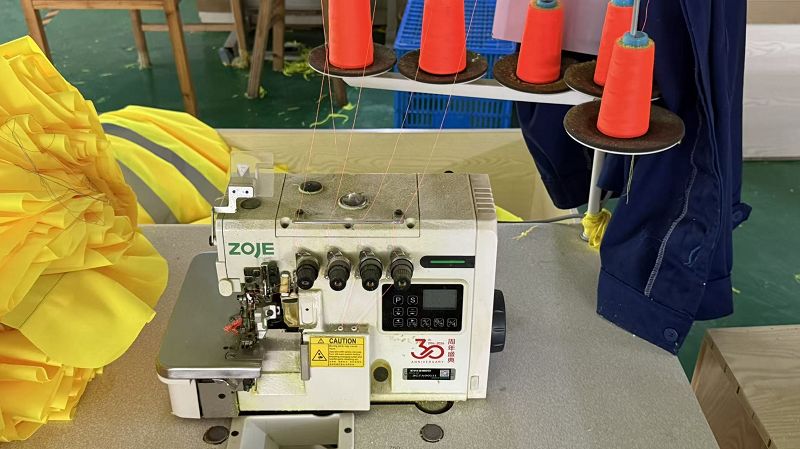
Overlock Sewing Machine

Localization & Application Across Japanese Industries

Tailored physical configurations and specialized applications matching the daily operations of Japan's labor force.

Targeted Application Scenarios

Our safety gear is built to integrate seamlessly into major domestic Japanese operations:

  • Last-Mile Delivery Logistics: Crucial for motorcycle-based postal carriers, Yamato Transport, Sagawa Express, and Uber Eats delivery staff operating in congested Tokyo corridors during nighttime rains.
  • Heavy Rail Maintenance: Specially structured Class 3 visibility jackets designed for JR East and JR West track maintenance teams working overnight.
  • Construction & Road Work: Engineered to withstand the rough abrasive conditions of major urban redevelopment projects in Osaka and Nagoya.
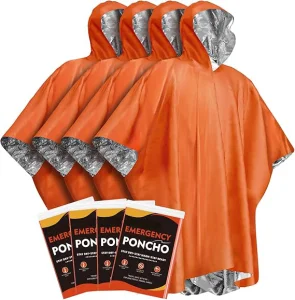
  • Civil Defense & Disaster Relief: Bright, thermally lined orange bivvies and high-vis jackets optimized for regional disaster management teams (Bousai).

Emerging Industry & Eco Trends

In alignment with the global transition toward sustainable manufacturing and CSR policies, there is a growing demand in Japan for eco-friendly workwear. Large corporate entities prioritize suppliers that utilize recycled polyester (GRS certified) and PFC-free water-repellent coatings.

We are actively integrating eco-friendly options into our core catalog. By utilizing recycled PET bottles to form polyester fibers and shifting from standard PVC (which generates hazardous waste) to TPU/PU and eco-friendly EVA, we assist companies in meeting their carbon neutrality goals.

Furthermore, smart garment features—such as integrated LED piping and heat pads connected to rechargeable power banks—are rapidly gaining popularity in northern Japan during sub-zero construction shifts.

Technical Procurement FAQ & Standards Directory

Key information regarding production compliance, delivery systems, custom branding, and shipping to Japan.

Q1: What are the key differences between EN ISO 20471 and JIS T 8127 for rainwear?
JIS T 8127 matches EN ISO 20471 closely in terms of retroreflective performance and fluorescent surface coverage. However, JIS T 8127 includes specific sizing adjustments suitable for the average dimensions of the Japanese workforce and enforces rigorous environmental test conditions for hydrolysis and cold flexing (critical for snow zones like Hokkaido and Niigata).
Q2: Can Fuzhou Jennie Fashion customize sizing systems to match Japanese standard sizing?
Yes. Our ODM division provides custom sizing charts specifically aligned with standard Japanese patterns (M, L, LL, 3L, 4L) which typically have shorter sleeve lengths and narrower torso fits compared to European or American sizes. We also optimize pocket positions to accommodate the specific barcode scanners commonly used by Japanese logistics providers.
Q3: How does your factory guarantee waterproof performance at seam areas?
We use high-frequency hot-welding machines and specialized seam-sealing tapes for PU, PVC, and EVA textiles. We perform pressure tests on every batch (using hydrostatic head equipment) to ensure the seams can withstand water columns exceeding 10,000mm, complying with JIS L 1092 waterproof testing protocols.
Q4: What is the typical lead time for custom OEM bulk orders shipped to Japan?
Standard OEM production ranges from 30 to 45 days upon sample approval. Shipping from Fuzhou port to major Japanese hubs (Tokyo, Yokohama, Osaka, Kobe) takes only 4 to 7 days, providing a fast and highly efficient logistics channel.

Need Custom High-Visibility Protective Gear?

Contact our technical team today to receive a free catalog, standard compliance sheets, or custom OEM samples.

Send Inquiry Now