Engineered for high-humidity urban transit, micro-mobility, and heavy tropical rain scenarios.
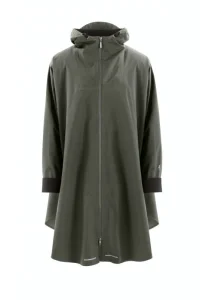
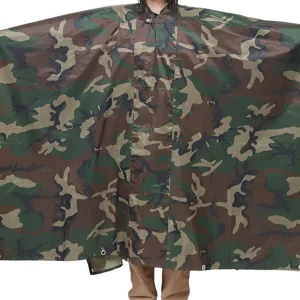
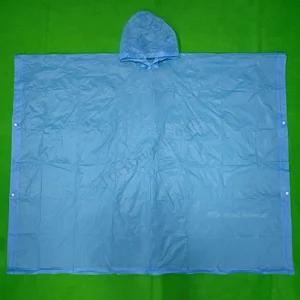
Vietnam’s textile and apparel manufacturing sector is concentrated around the Greater Ho Chi Minh City (HCMC) area, utilizing massive export infrastructures like the Cat Lai Port. The regional tropical monsoon climate experiences heavy rainfall for nearly six months of the year, creating a deeply rooted domestic and commercial culture of functional water protection gear, particularly suited for motorcycle commuters and delivery fleets.
However, as global procurement managers seek to optimize their supply chains under China + 1 strategies, HCMC has become a primary target. In this landscape, understanding regional technical dynamics is key: HCMC specializes in mass CMT (Cut, Make, Trim) assembly, while sophisticated fabric lamination, polyurethane (PU) polymer coating, and automated precision seam welding frequently rely on advanced industrial clusters in neighboring manufacturing regions like China.
Strategically situated to dispatch cargo via regional ports, ensuring shipping routes connect directly to EU, US, and APAC destinations.
While HCMC offers attractive labor tariffs for basic sewing, complex rainproof apparel (requiring EN 343 compliance and high-frequency welding) requires specialized technological setups. Global buyers must balance raw-material proximity, high-efficiency machinery, and processing capabilities. This is where dual-sourcing integrations, blending Fuzhou Jennie Fashion’s China 4.0 raw material and production infrastructure with regional assembly, provide optimized margins and reliable delivery timelines.
How technical advancements and stricter regulatory frameworks shape the demands of modern buyers.
Stricter global environmental laws, including the EU Green Deal and US state-level bans, demand waterproof fabrics manufactured without harmful fluorinated chemicals (PFAS). Sourcing now requires advanced PFC-free, bio-based water-repellent finishes that maintain high hydrostatic performance.
Standard stitching creates microscopic holes that leak under pressure. Modern standards rely on ultrasonic or thermal seam welding. By melting PU or PVC edges together, the seam becomes stronger than the surrounding fabric, achieving 100% waterproof protection in heavy rain.
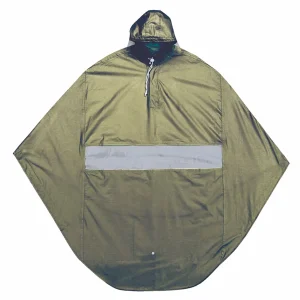
The rapid rise of micro-mobility and urban parcel delivery courier networks has spurred demand for multi-functional, high-visibility (Hi-Vis) ponchos. These products must meet rigorous EN ISO 20471 safety standards, featuring reflective bands and specialized, breathable fabrics.
Compare product material specifications and compliance properties to optimize your corporate sourcing strategy.
| Material Type | Typical Hydrostatic Head | Breathability (MVTR) | Best Application | Standards Compliance |
|---|---|---|---|---|
| Stretchable Polyurethane (PU) | > 8,000 mm | Moderate to High | Heavy Workwear & Professional Rainwear | EN 343, EN ISO 20471, REACH |
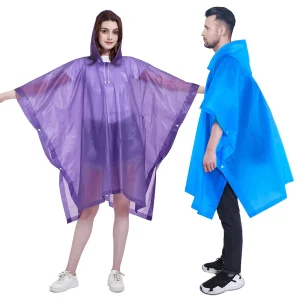
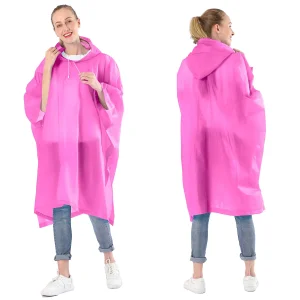
| Ethylene-Vinyl Acetate (EVA) | > 5,000 mm | Low (Windproof focus) | Reusable Commuter Ponchos, Lightweight Cloaks | OEKO-TEX Standard 100 |
| Polyvinyl Chloride (PVC) / Oxford | > 10,000 mm | Low (Heavy Barrier) | Industrial Mining, Fishery, Construction Wear | EN 343:2019 Class 3/1 |
| 3-Layer Softshell TPU Membrane | > 10,000 mm | > 5,000 g/m²/24h | Premium Alpine Hiking, Outdoor Active Sports | Bluesign Approved, PFC-Free DWR |
Years Industry Expertise
Welded Seam Quality Testing
Advanced Production Footprint
Regulatory Compliance Standards
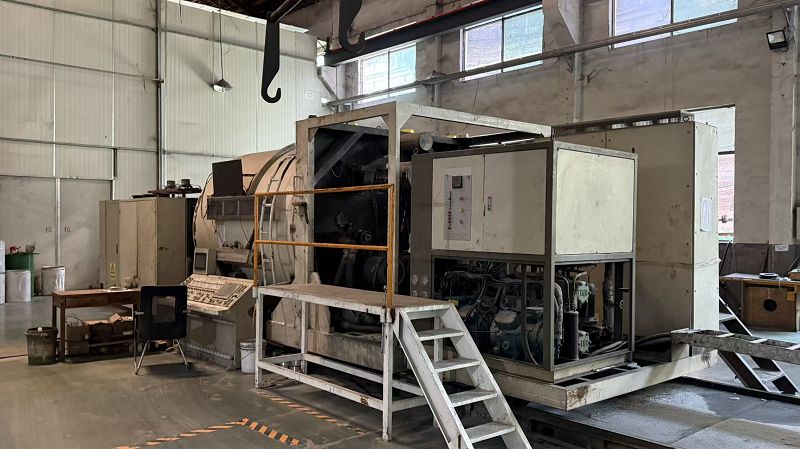
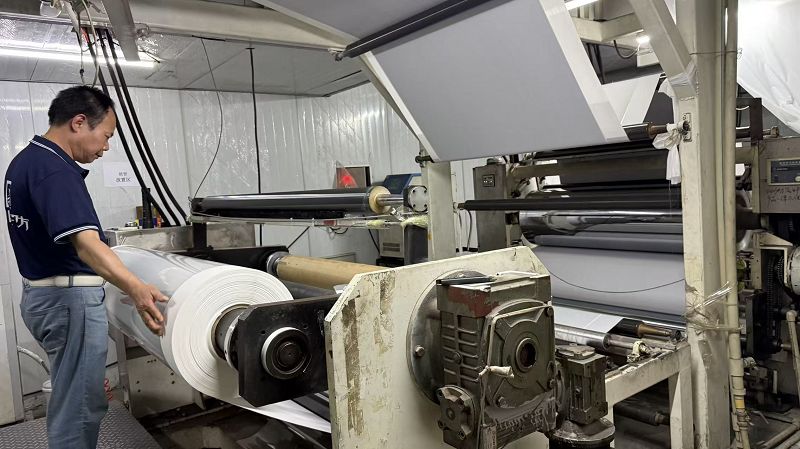
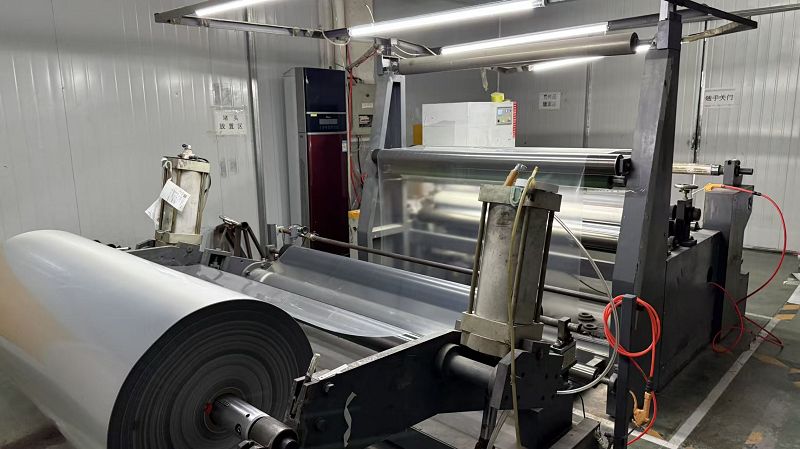
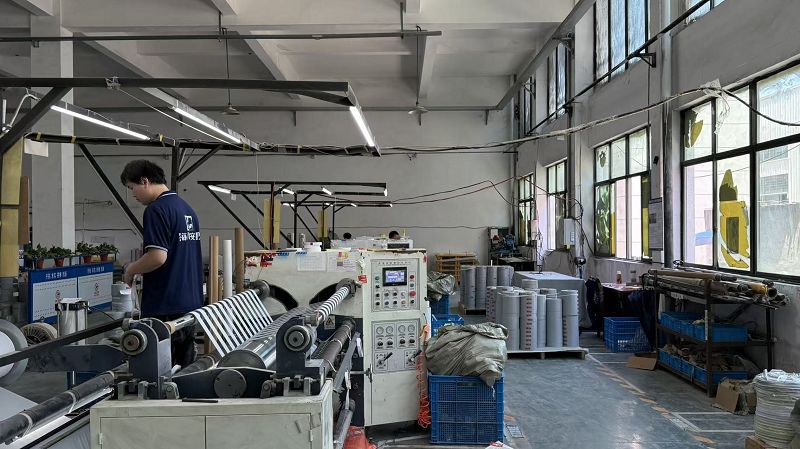
As a leading functional garment manufacturer, Fuzhou Jennie Fashion Co., Ltd. integrates decades of specialized expertise in rainwear and outdoor technical apparel. Operating in China's advanced textile manufacturing cluster, we utilize an automated "Factory 4.0" setup. This infrastructure allows us to bridge the gaps that emerging markets like Ho Chi Minh City face: raw material constraints, unstable supply of accessories, and limited access to state-of-the-art lamination and sealing machinery.
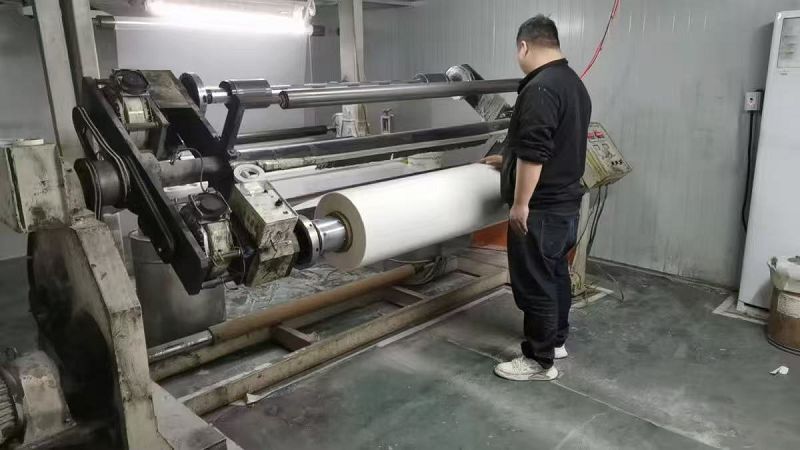
Our facility runs high-efficiency production lines featuring automated CAD cutting tables, laser fabric fused machines, and programmable hot-air sealing setups. Because we control the process from polymer compounding to final seam inspection, we deliver consistent quality that meets European regulations (EN ISO 20471, EN 343, EN 531) and US ANSI standards.
In addition to classic rainwear, we manufacture outdoor wear and functional gear including softshell wear, body warmers, ski wear, and lifestyle outerwear. This diverse range is backed by comprehensive OEM and ODM support for global retail brands.
We use high-frequency and hot-air seam sealing tape application on stretchable PU, PVC, and EVA to prevent water ingress along seams.
Direct sourcing of TPU, PU, and EVA films reduces dependency on third-party supply chains, protecting production schedules from delays.
Each production batch undergoes rigorous hydrostatic testing, tensile strength assessments, and visual inspection before packing.
A look at the professional equipment, extrusion lines, and precision assembly lines inside the Jennie Fashion factory.
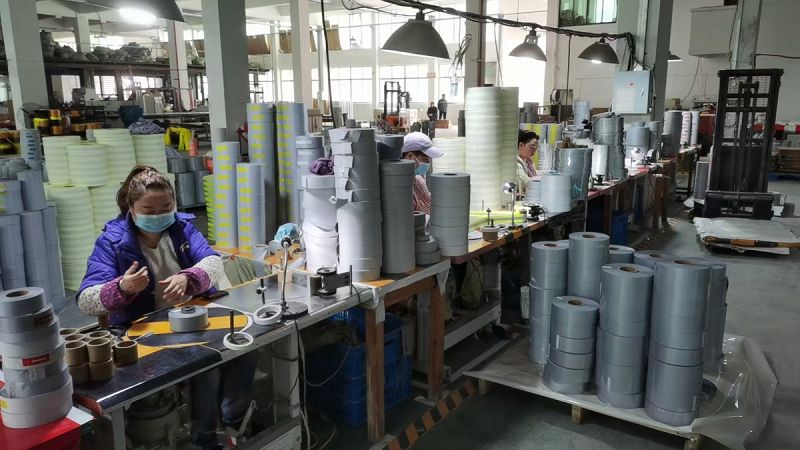
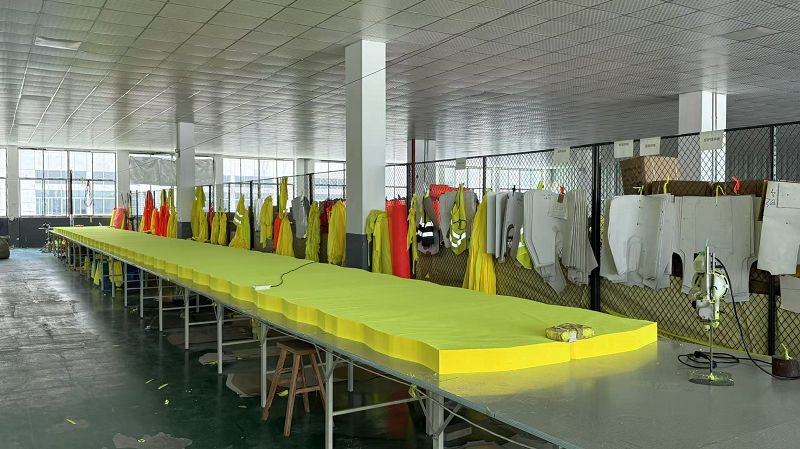
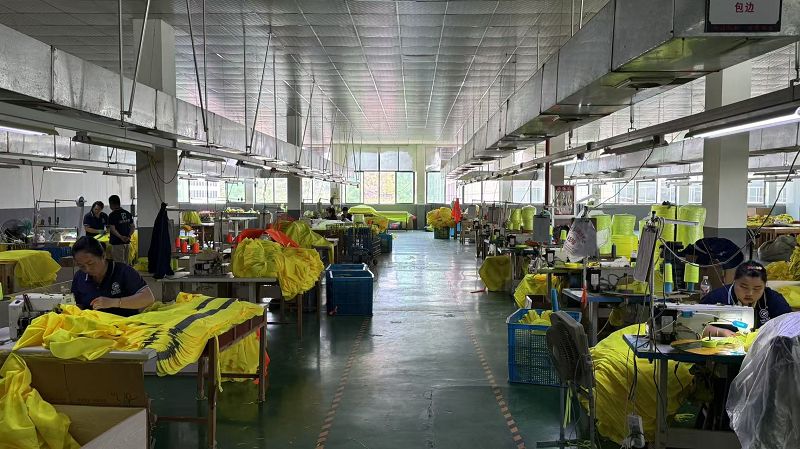
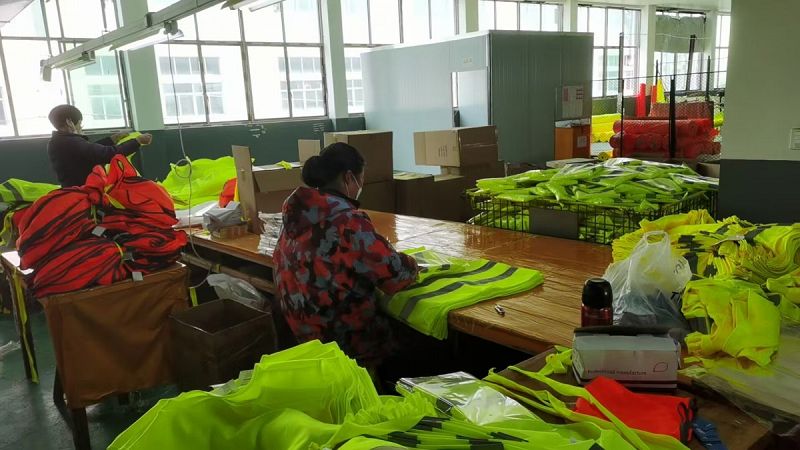
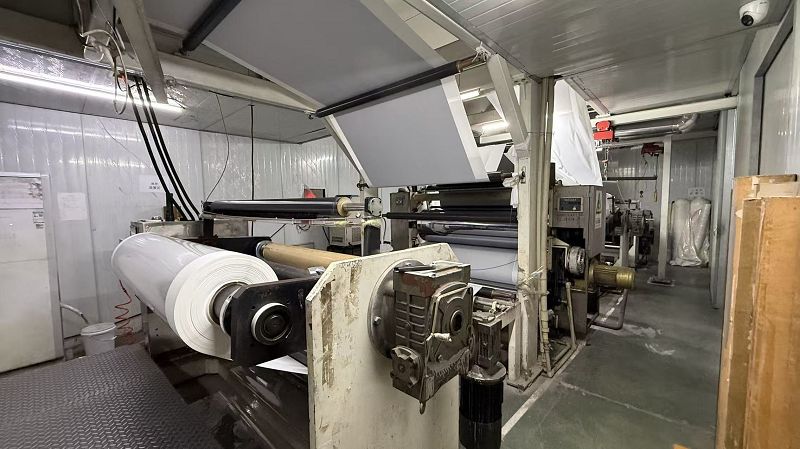
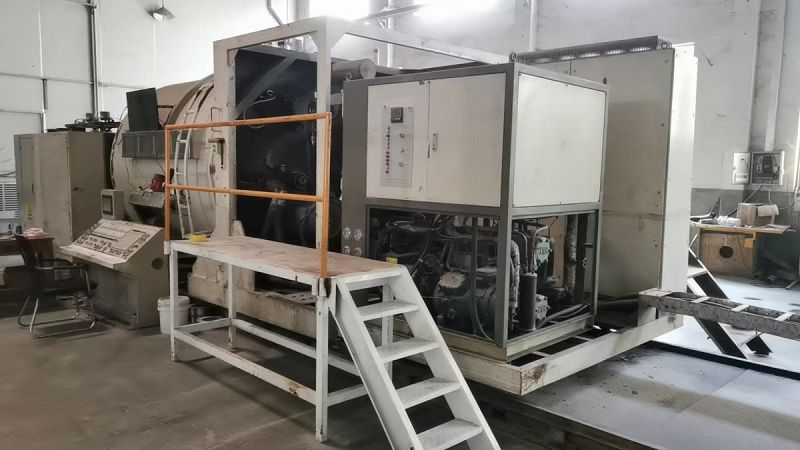
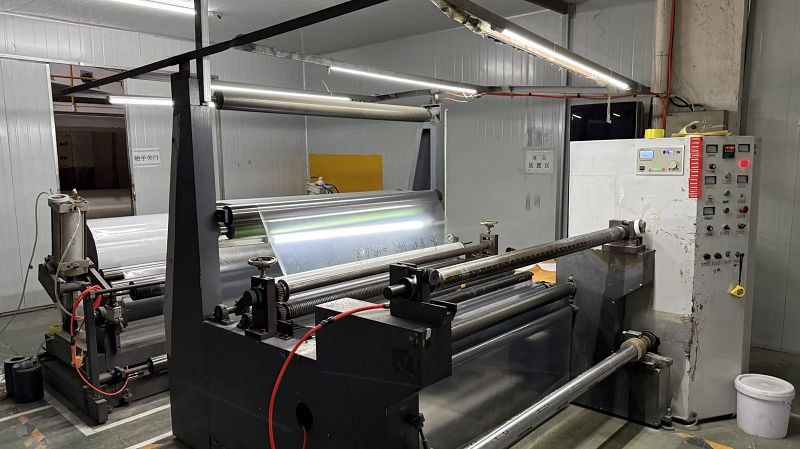
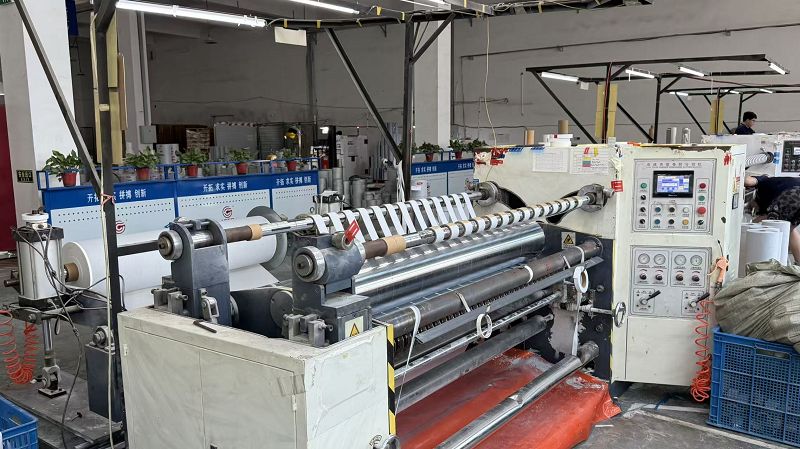
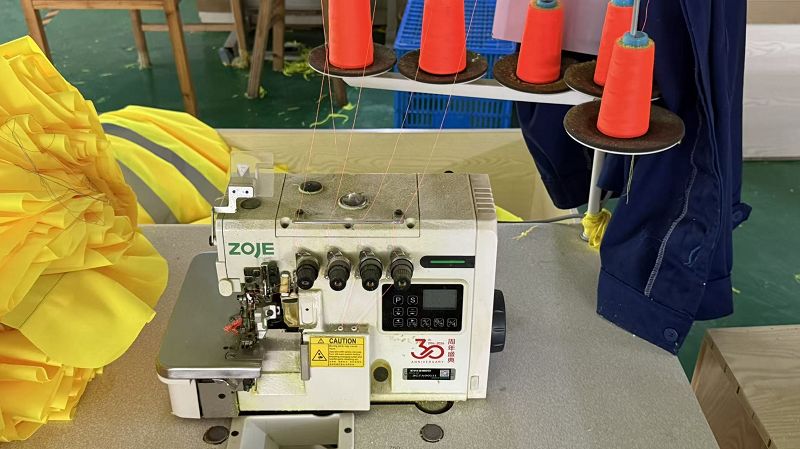
From workwear safety to rugged outdoor protection, we customize product structures to target market demands.
Made from 100% polyester fabric, our softshell garments are engineered with or without a breathable TPU membrane. They offer windproof protection, a high moisture vapor transmission rate (MVTR), and excellent flexibility, making them suitable for active outdoor lifestyles and professional corporate wear alike.
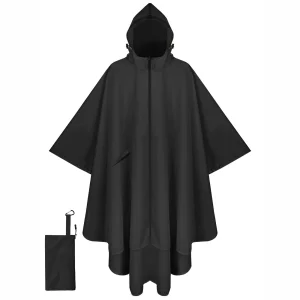
Using high-grade stretchable PU, heavy-duty PVC, and lightweight EVA materials, we construct rainwear designed to withstand challenging weather conditions. Every seam is welded to eliminate leak paths. These styles are available with or without prints and linings, ranging from lightweight ponchos to durable industrial overalls.
Our workwear collection features high-visibility (Hi-Vis) and non-Hi-Vis PU options. Designed for harsh workplace environments, these protective garments comply with international safety standards including EN ISO 20471, EN 343, EN 531, and EN 533. The range covers coveralls, parkas, and bib pants to keep operators safe and comfortable.
Constructed from nylon or polyester base fabrics with functional DWR coatings, these garments feature fully taped seams and optimized thermal insulation. Tailored for skiing, hiking, and active outdoor travel, this series combines high functional performance with a modern style aesthetic.
Customizing rainwear product layouts to match the humidity levels, daily habits, and industrial tasks of Southeast Asia.
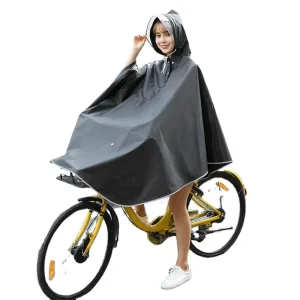
More than 70% of commuters in Ho Chi Minh City travel by scooter. Heavy rain showers require ponchos with transparent headlight window inserts, split-side panels to drape over steering bars, and reflective trims to keep riders visible at night.
With major shipping hubs like Cat Lai Port operating 24/7, logistics staff need tough, chemical-resistant PVC and PU capes that withstand high wind pressure and keep moisture away during container loading and unloading.
The rapid growth of e-commerce delivery networks in Vietnam has increased the demand for breathable, lightweight rain capes. These styles feature underarm ventilation and durable ripstop fibers to withstand the wear-and-tear of daily delivery shifts.
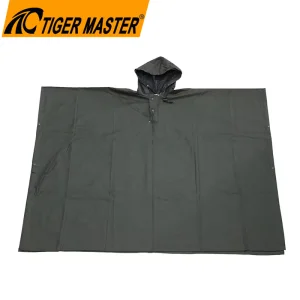
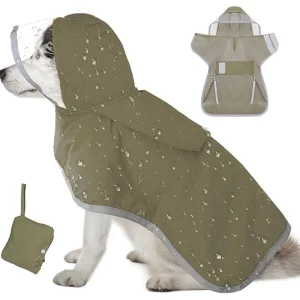
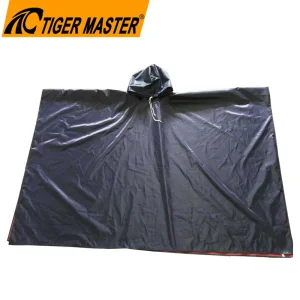
Explore our complete export catalog, featuring items engineered to perform in tropical and high-workload conditions.
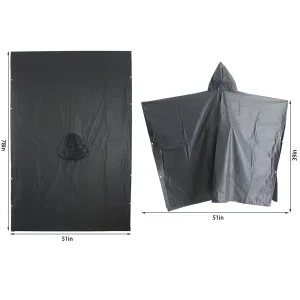
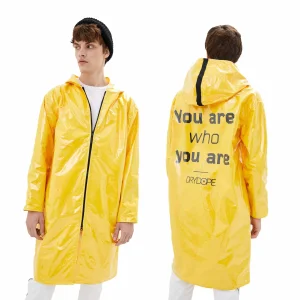
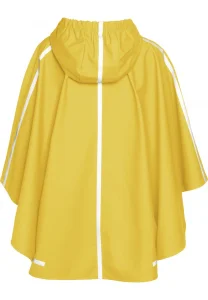
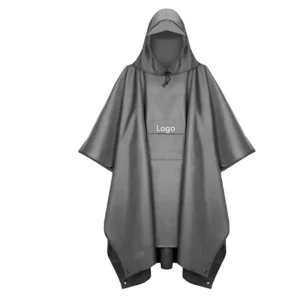
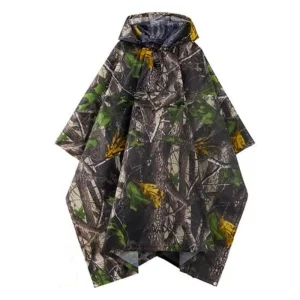
Clear answers to common questions about compliance, technical testing, and factory capacity.
 Jennie Fashion