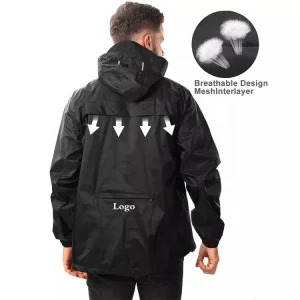
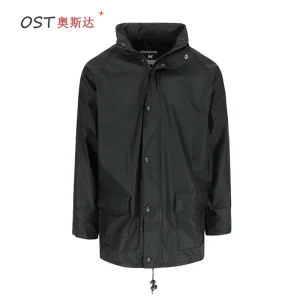
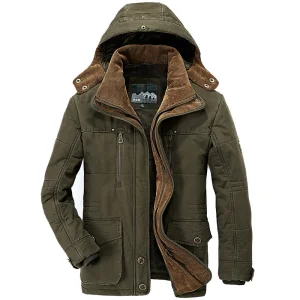
Premium flame-resistant, waterproof, and high-visibility apparel engineered for harsh environments.
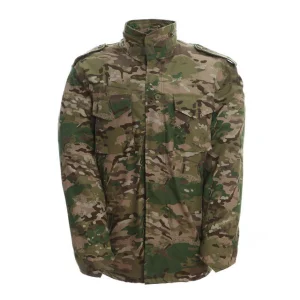
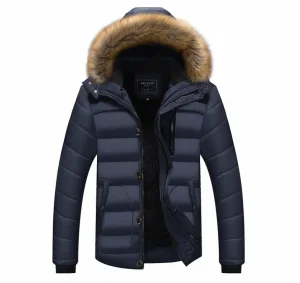
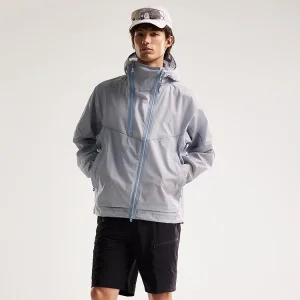
Evaluating commercial dynamics, demand factors, and regulatory compliance across critical industrial markets.
Heavy industry operations—such as oil refining, electrical utility maintenance, combustible dust handling, and chemical synthesis—require personal protective equipment (PPE) that resists open flames, electric arcs, and static sparks.
Regulatory frameworks such as OSHA in the United States and EU PPE directives in Europe mandate flame-resistant garments. Compliance with NFPA 2112, EN ISO 11612, and EN 1149 is essential for global procurement.
Procurement teams require responsive supply partners. Efficient manufacturers focus on standardizing protective performance while optimizing costs, lead times, and global shipping pipelines.
"Flame-resistant coveralls are a critical element in occupational safety. Choosing compliant products is essential for risk mitigation, insurance compliance, and worker protection."
A detailed overview of safety ratings, test protocols, and performance metrics required for global compliance.
| Standard Code | Primary Regulatory Focus | Testing Methods & Key Metrics | Common Industries |
|---|---|---|---|
| NFPA 2112 | Flash Fire Protection (US standard) | Undergoes 3-second exposure tests on instrumented mannequins; limit body burn to <50%. | Petroleum, Hydrocarbon Processing, Chemical Processing |
| EN ISO 11612 | Heat and Flame Exposure (EU standard) | Evaluates performance under code letters A (limited flame spread), B (convective heat), C (radiant heat). | Industrial Manufacturing, Maintenance, Metalworking |
| ASTM F1506 | Electric Arc Exposure & Hazard Assessment | Determines Arc Thermal Performance Value (ATPV) / Energy Breakopen Threshold (EBT) ratings. | Electrical Utilities, High-Voltage System Maintenance |
| EN 1149 | Antistatic Electrostatic Dissipation | Tests electrical charge breakdown, preventing sparks that could ignite explosive atmospheres. | Petrochemical Refineries, Electronics, Paints and Lacquers |
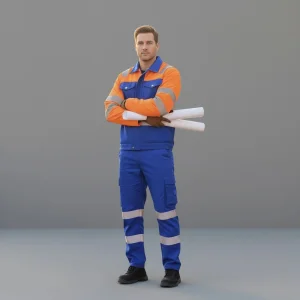
| EN ISO 20471 | High-Visibility Warning Garments | Specifies minimum fluorescent fabric and retroreflective tape areas to ensure high visibility. | Roadway Construction, Rail Operations, Logistics |
How technical expertise, automated production, and integrated supply chains deliver quality at scale.
Chinese textile centers provide fast access to advanced treated and inherently flame-resistant fibers, including FR cotton blends, modacrylics, and meta-aramids, reducing lead times.
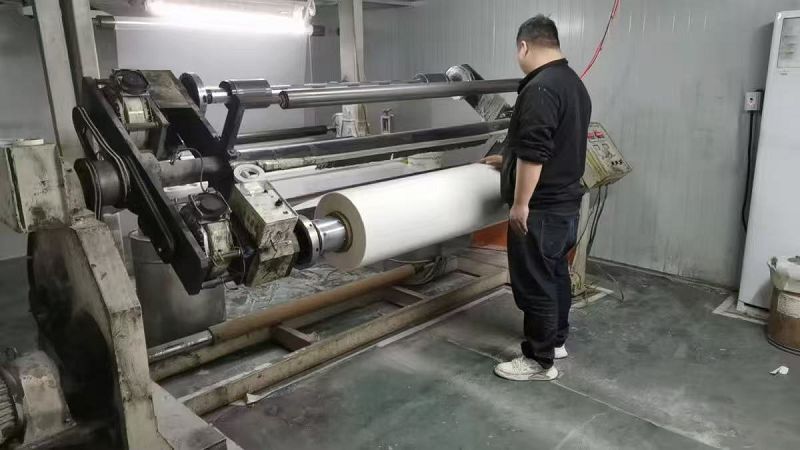
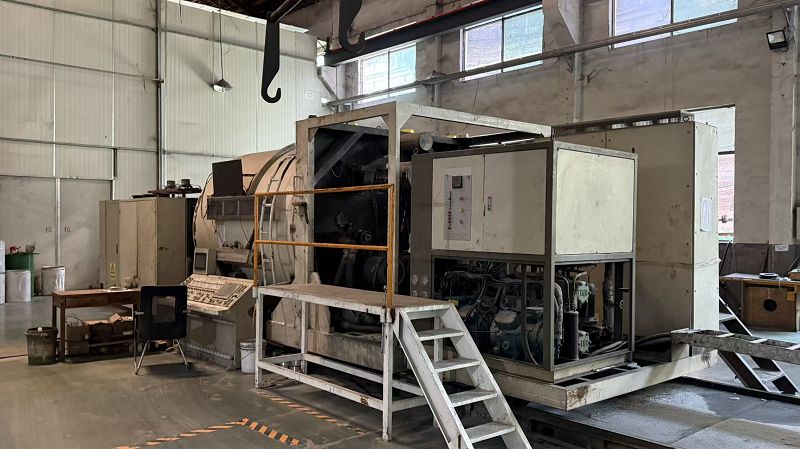
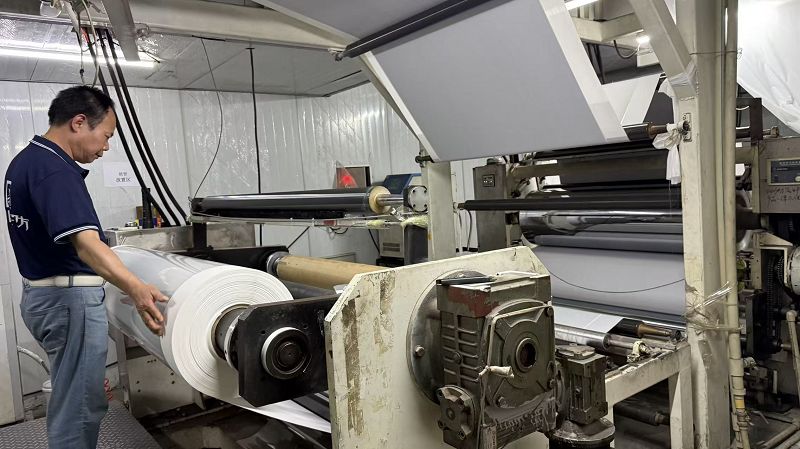
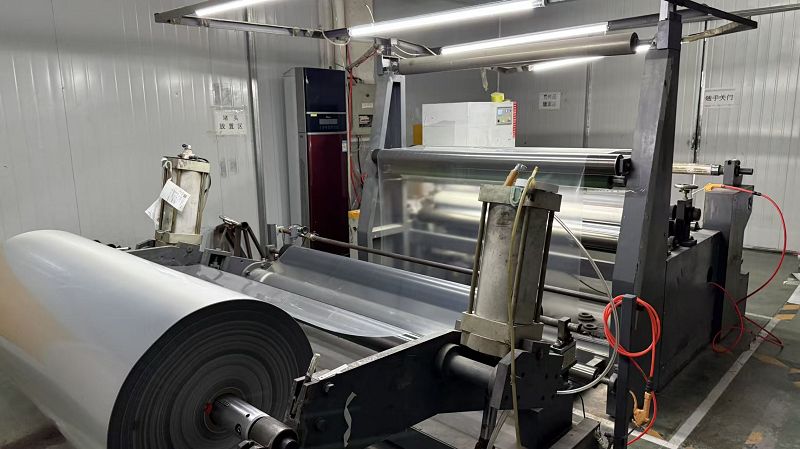
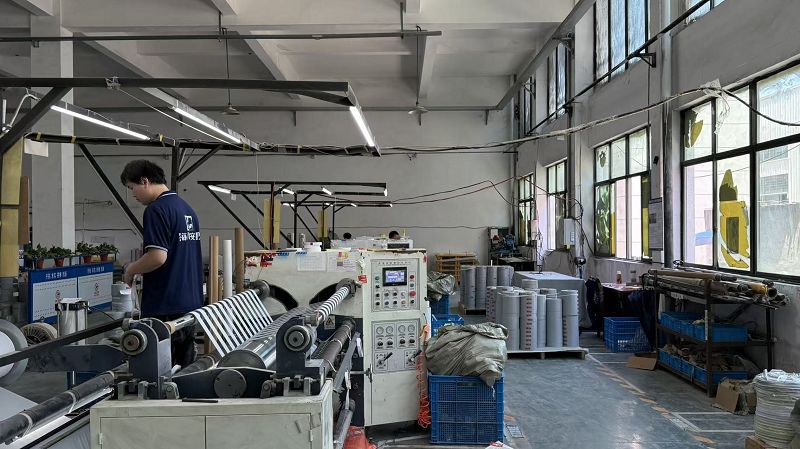
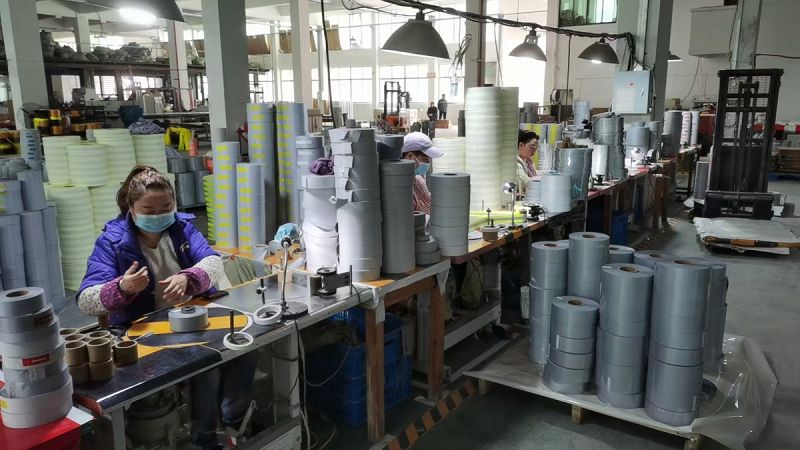
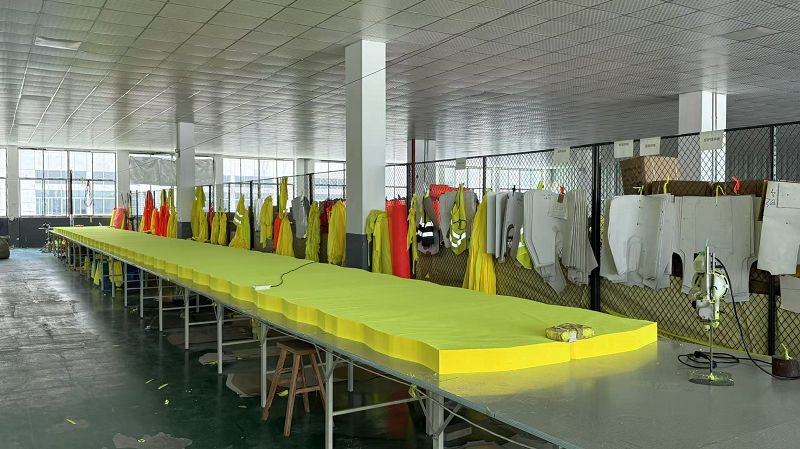
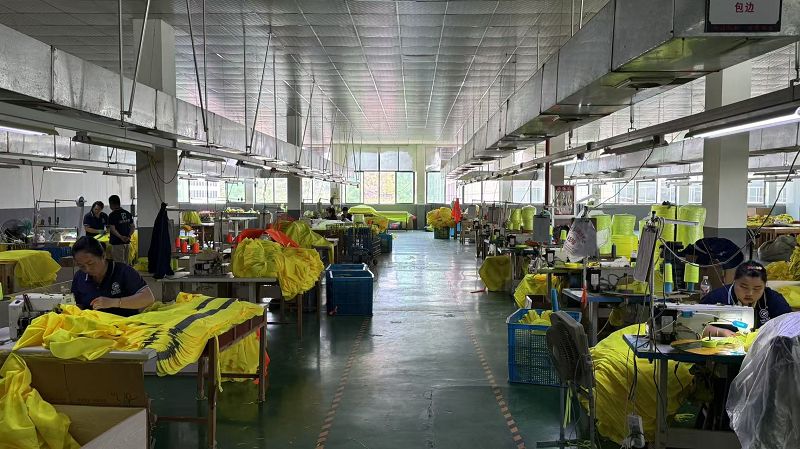
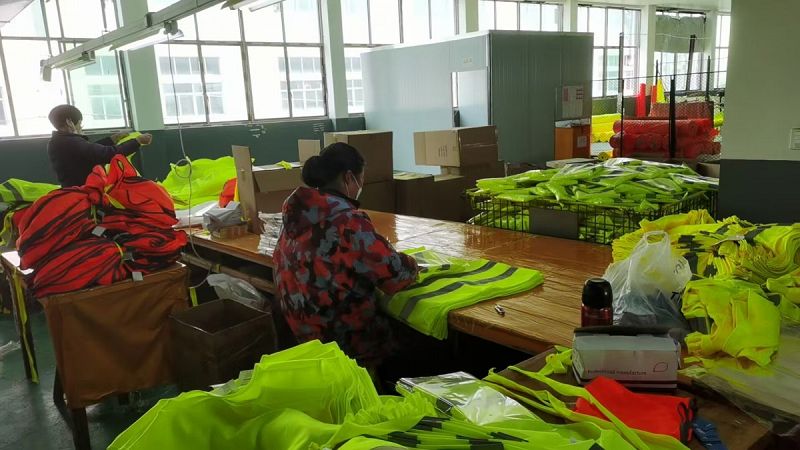
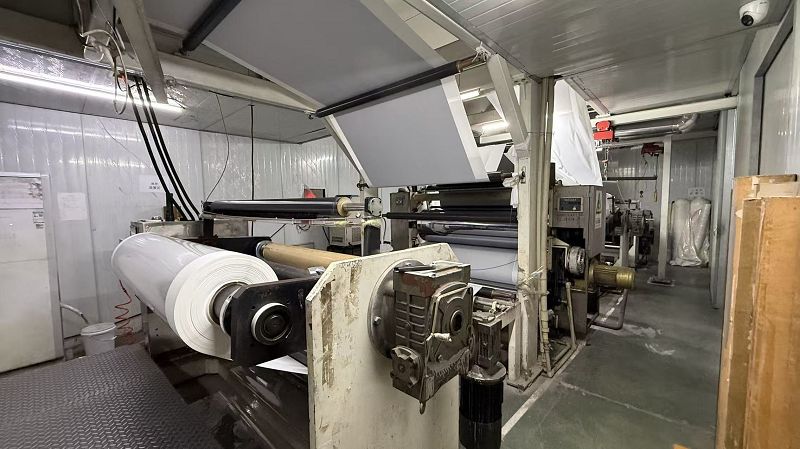
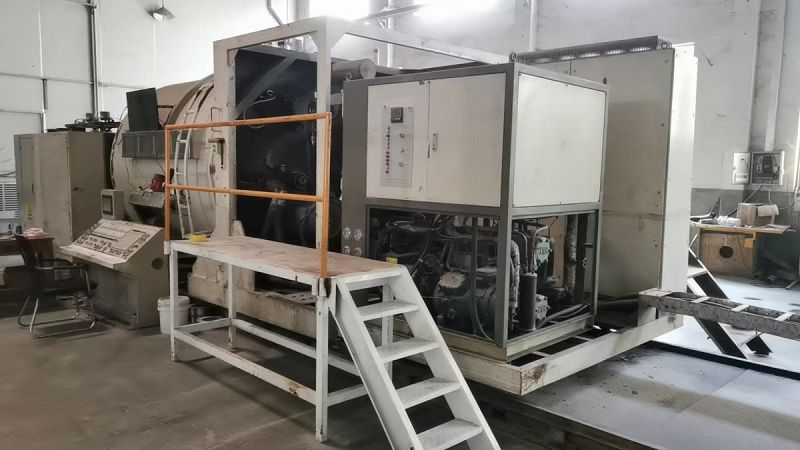
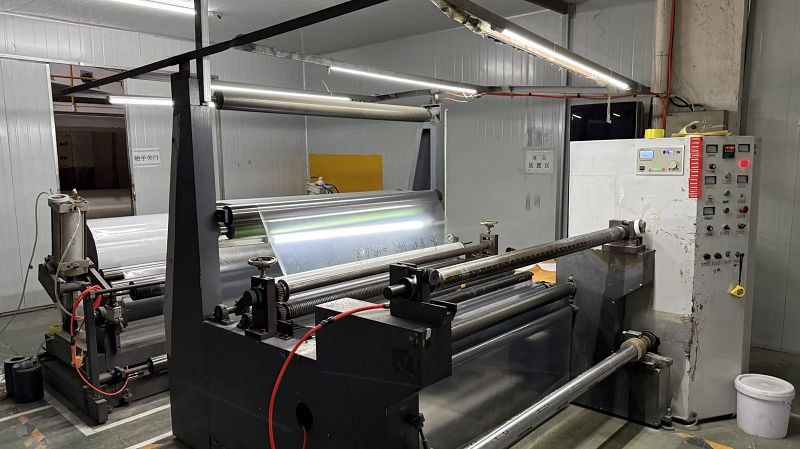
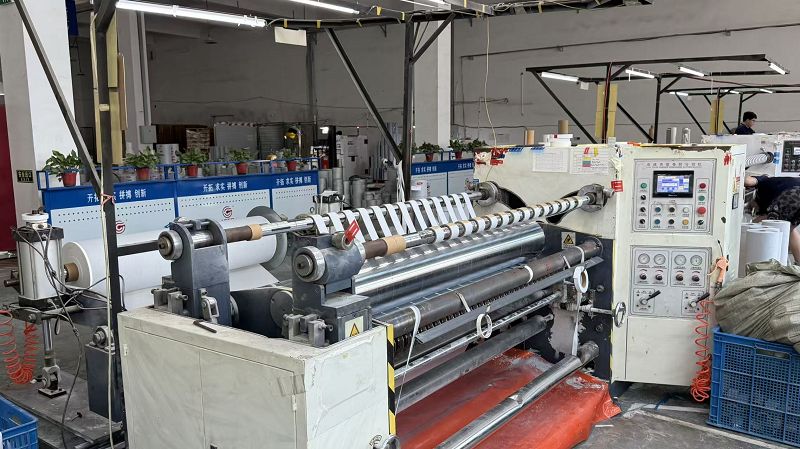
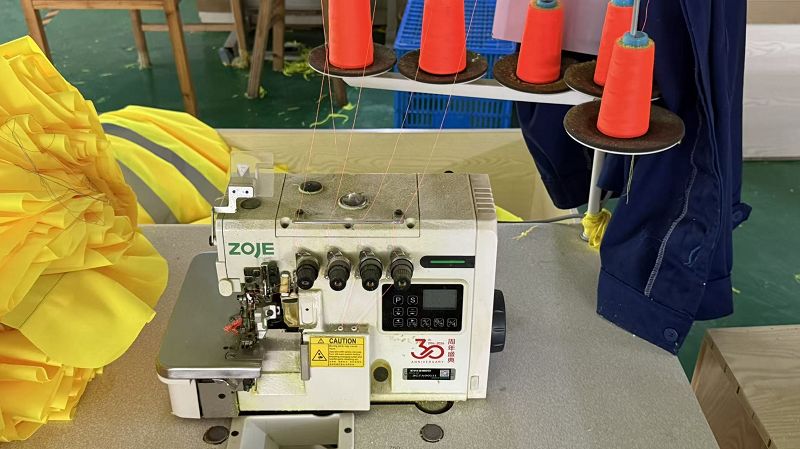
Our facility operates modern hot-air taping, ultrasonic sealing, automated cutting, and heavy-duty stitching systems, ensuring durable seams and consistent performance.
We perform quality checks at multiple stages—from raw material inspection through seam sealing, visual checks, and final packaging—to maintain high standards.
Overview of our production steps, machinery, and quality control systems at Fuzhou Jennie Fashion Co., Ltd.
How industrial safety garments are configured to address specific hazards in various field operations.
Hazards: Hydrocarbon flash fires, static discharge, saltwater degradation, high winds.
Solution: Multi-hazard anti-static FR coveralls featuring EN 1149 static dissipation and fully taped waterproof membranes.
Hazards: Electrical arc flashes, short circuits, thermal energy exposure.
Solution: Arc-rated flame-resistant workwear compliant with ASTM F1506 and NFPA 70E, designed to prevent fabric ignition.
Hazards: Hot slag, airborne metal sparks, high radiant heat.
Solution: Heavyweight cotton-rich FR fabric systems providing high breathability and structural integrity under constant weld spatter.
Key criteria for purchasing managers negotiating global supply agreements.
Confirm that test documentation is issued by accredited third-party laboratories (such as SGS, Intertek, or UL). Verify that safety certifications match batch production codes.
Evaluate total cost of ownership by balancing treated FR cotton (cost-effective for typical wear cycles) with inherent synthetic fibers (retains properties through lifetime washing).
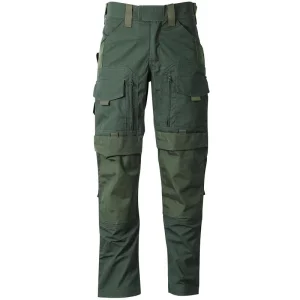
Ergonomic features—such as action backs, gusseted crotches, breathable underarm zones, and adjustable cuffs—improve worker compliance and movement.
Expected developments in safety fabrics, wearable technologies, and environmental compliance.
New fabric constructions offer high ATPV arc ratings and flash fire protection at lighter weights, helping to reduce worker fatigue and heat stress.
Research is shifting toward halogen-free, non-formaldehyde chemical treatments and recycled polyester bases to meet global sustainability initiatives.
Incorporating passive RFID chips, gas sensors, and environmental monitoring tags into heavy-duty workwear helps track safety status and trace supply chains.
A professional manufacturer with decades of experience in the rainwear and outdoor functional apparel industry.
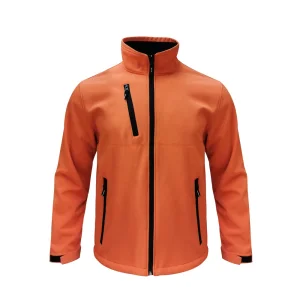
Made from 100% polyester, with or without TPU membrane, our softshell garments offer waterproof, breathable, lightweight, and stylish performance. They provide comfort, warmth, and flexibility for outdoor and urban use.
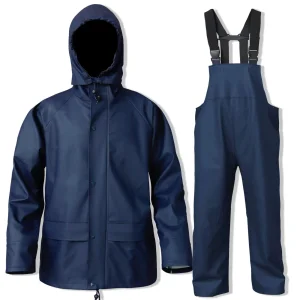
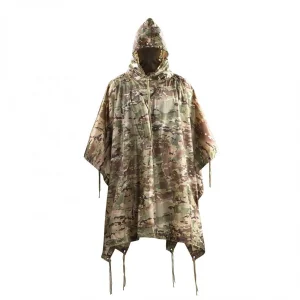
We use high-quality stretchable PU, PVC, and EVA materials. All seams are fully welded to ensure maximum waterproof protection in heavy rain conditions. Products are available with or without printing and lining, including jackets, pants, bib pants, and ponchos.
Our workwear collection includes Hi-Vis PU and non Hi-Vis PU options, with breathable or non-breathable fabrics and optional lining. Designed for safety and durability, these products comply with standards such as EN ISO 20471, EN 343, EN 531, and EN 533.
At Fuzhou Jennie Fashion Co., Ltd., we are committed to innovation, quality, and customer satisfaction. We continuously invest in product development and sustainable manufacturing practices to better serve global partners and adapt to evolving market trends. Our goal is to deliver reliable, functional, and stylish apparel that enhances both everyday life and professional performance.
Answers to common technical, compliance, and purchasing questions about flame-resistant coveralls.
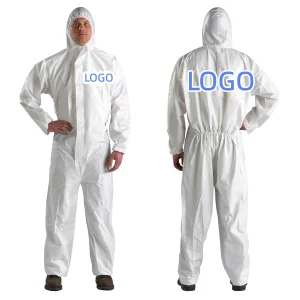
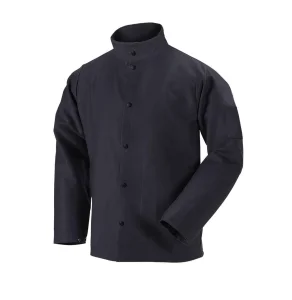
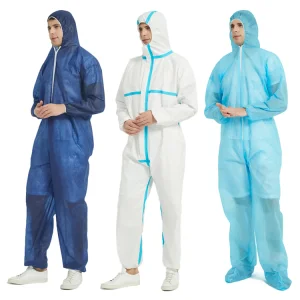
Explore our protective workwear range, including disposable isolation garments, heavy-duty parkas, and high-visibility options.
 Jennie Fashion